Sherwood Compact Mugo Pine Care: How I Grow and Maintain This Beautiful Evergreen

There’s something special about having an evergreen in the garden that looks good throughout the year without demanding constant attention. That’s exactly why I appreciate compact mugo pines. They bring texture, color, and a little mountain charm to the landscape, even when most other plants take a winter break.
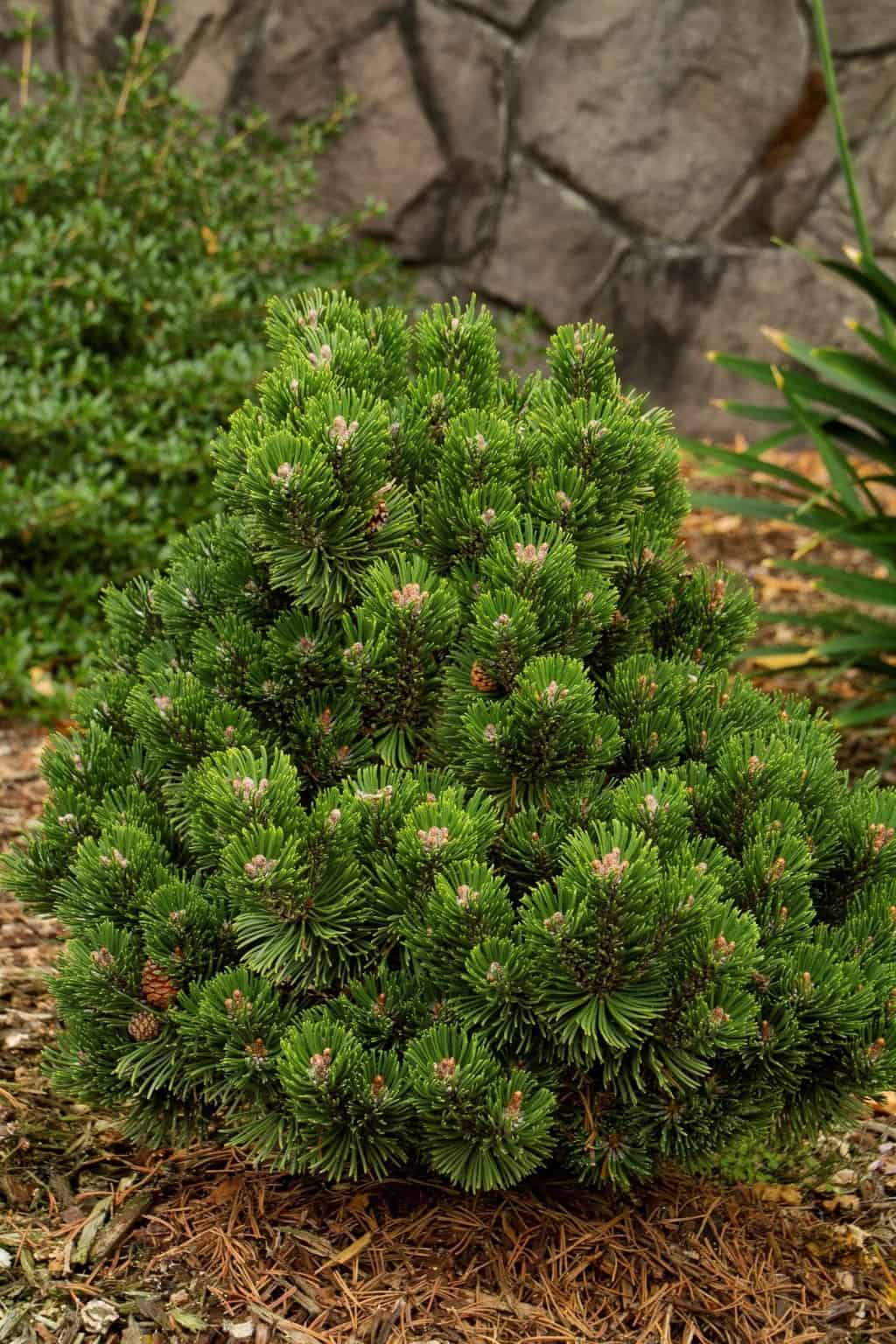
The Sherwood Compact Mugo Pine (Pinus mugo ‘Sherwood Compact’) is particularly appealing if you enjoy conifers with a naturally neat, rounded appearance. Its rich green needles, compact growth habit, and relatively low-maintenance nature make it a lovely addition to rock gardens, borders, and container displays.
However, even an easygoing pine needs the right growing conditions. I’ve learned that paying attention to sunlight, watering, and soil drainage makes a tremendous difference in keeping conifers healthy. Fortunately, this variety doesn’t ask for much once you understand what it likes.
In this guide, I’ll walk you through everything I consider important when growing and caring for a Sherwood Compact Mugo Pine, from its growing requirements to garden design ideas and companion plants.
Sherwood Compact Mugo Pine: Basic Care Requirements
Before getting into the details, here’s a quick overview of what this evergreen needs to grow successfully.
| Care Factor | Requirements |
| Botanical name | Pinus mugo ‘Sherwood Compact’ |
| Plant family | Pinaceae |
| Plant type | Evergreen conifer |
| Sunlight | Full sun to partial sun |
| Watering | Weekly during establishment; less frequent once established |
| Soil | Well-draining, moderately fertile soil |
| Soil pH | Acidic to alkaline |
| Growth rate | Slow |
| Foliage | Green, needle-like leaves |
| Maintenance | Low |
| Best uses | Rock gardens, borders, containers, and landscape accents |
My three biggest priorities are simple: provide plenty of sunlight, avoid waterlogged soil, and adjust watering according to the weather. Get those things right, and this little evergreen can reward you with years of beautiful growth.
Understanding the Botanical Background
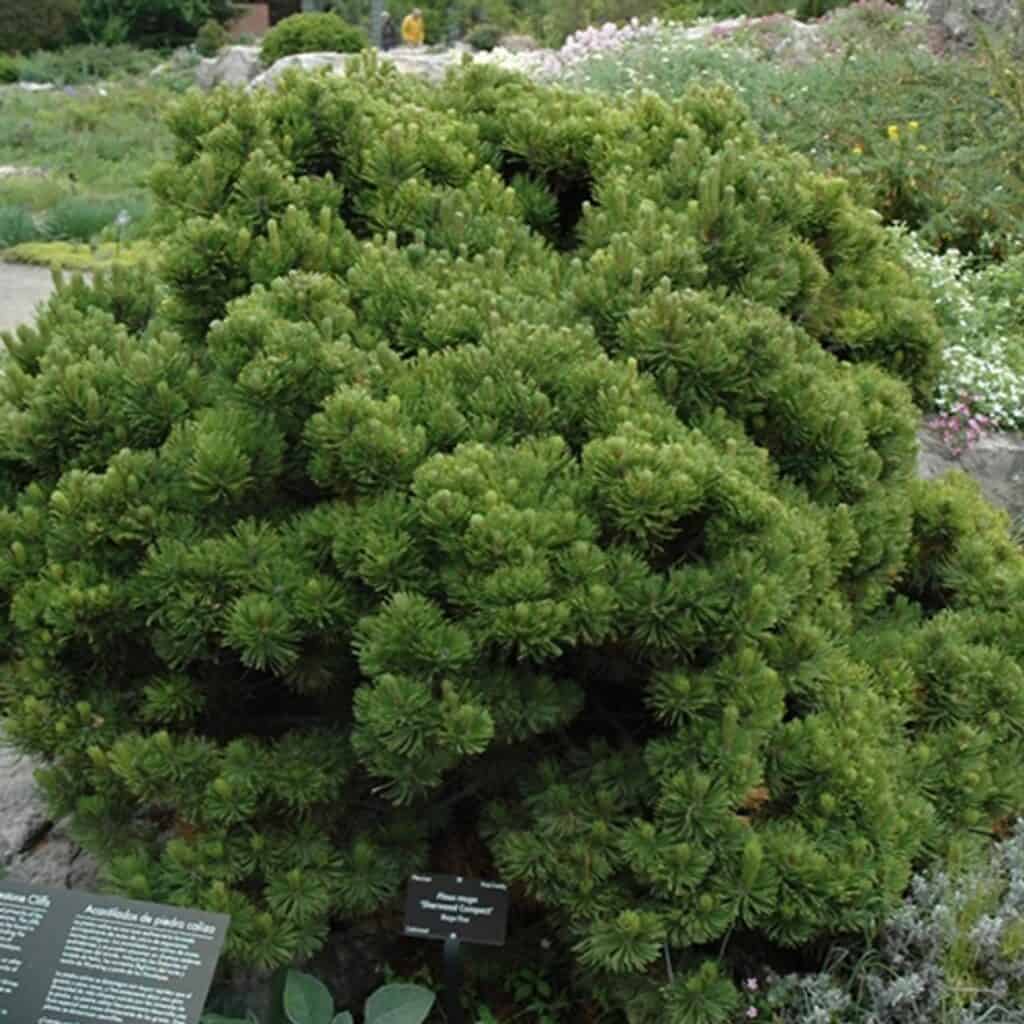
The Sherwood Compact Mugo Pine belongs to the Pinaceae family, which includes many familiar conifers, such as firs, spruces, and other pine trees.
Its botanical name, Pinus mugo ‘Sherwood Compact’, identifies it as a cultivated selection of the mugo pine. This distinction matters because different pine varieties can have dramatically different growth habits and mature sizes.
Mugo pines originate from mountainous regions of Europe, where they grow in challenging environments with rocky ground, good drainage, and plenty of sunshine. Their natural toughness explains why gardeners appreciate them as relatively dependable landscape plants.
I particularly like the evergreen character of this pine. While deciduous trees drop their leaves and leave the garden looking bare, this conifer keeps its green needles throughout the seasons.
| Related: Mops Mugo Pine (Pinus Mugo ‘Mops’) Care and Growing Guide |
Growing Region and Climate Preferences
Understanding a plant’s natural growing environment helps me make better decisions about where to place it.
Mugo pines generally thrive in temperate climates, particularly in mountainous environments with cool winters and relatively mild summers. They tolerate cold conditions remarkably well and can handle occasional dry spells once their roots establish.
The Sherwood Compact Mugo Pine generally suits USDA hardiness zones 2–7, although exact recommendations can vary by nursery and cultivar.
Here are the conditions I would aim to provide:
- Temperature: It prefers temperate conditions and tolerates cold winters.
- Sunlight: An open, sunny location encourages healthy, dense growth.
- Humidity: Good air circulation helps keep the foliage healthy.
- Rainfall: Moderate rainfall works well when the soil drains efficiently.
- Climate: Cooler regions generally suit mugo pines better than persistently hot, humid environments.
One important consideration for gardeners in warmer tropical areas is heat and humidity. Mugo pines don’t naturally grow in tropical lowland conditions, so maintaining them can prove challenging. If you live somewhere hot, choose the coolest available location, provide excellent drainage, and avoid keeping the roots constantly wet.
Growth Rate and Mature Size
One thing I enjoy about compact conifers is their manageable growth. Unlike fast-growing trees that quickly take over a garden, compact mugo pines generally develop at a much slower pace.
The Sherwood Compact Mugo Pine has a naturally rounded, dense growth habit. Its compact appearance makes it particularly useful when I want an evergreen accent without introducing a towering tree into the landscape.
However, I wouldn’t assume that every plant sold under a compact cultivar name will remain tiny. Mature dimensions can vary depending on the plant’s genetics, growing conditions, and nursery identification.
| Growth Characteristic | Description |
| Growth rate | Slow |
| Growth habit | Compact and rounded |
| Foliage | Dense, evergreen needles |
| Mature dimensions | Check the specific nursery’s cultivar information |
| Pruning requirements | Generally minimal |
When choosing a planting location, I always consider the plant’s eventual width rather than focusing only on its size in the nursery pot. Giving it enough room from the beginning saves a lot of trouble later.

| Check out: Dwarf Mugo Pine (Pinus Mugo Variety Pumilio) Care and Growing Guide |
Watering: How Much Does It Need?
Watering is one of the easiest parts of mugo pine care once you understand how the roots respond to moisture.
Young plants need consistent moisture while establishing their root systems. I usually recommend watering deeply about once a week during dry weather, adjusting the frequency according to rainfall, temperature, and soil conditions.
Established plants generally tolerate short periods of drought, but that doesn’t mean I would leave them without water during prolonged hot weather.
My favorite approach is to check the soil before reaching for the watering can.
My Simple Finger-Test Method
Here’s how I check whether a mugo pine needs water:
- Push your finger approximately 1–2 inches into the soil.
- Feel whether the soil still holds moisture.
- If it feels damp, wait before watering.
- If it feels dry, water thoroughly.
- Allow excess water to drain away completely.
I also pay attention to the weather. A rainy week usually means less watering, while hot, dry conditions may require more frequent attention.
The biggest mistake I try to avoid is overwatering. Pine roots need oxygen, and constantly saturated soil can encourage root problems.
Choosing the Right Soil Mix
If there’s one thing I never compromise on when growing mugo pines, it’s drainage.
These plants appreciate soil that allows excess water to escape rather than trapping moisture around their roots. Heavy, compacted soil can become a problem, particularly during rainy periods.
I prefer a loose, well-draining growing medium containing a combination of:
- Quality garden soil or loam.
- Coarse sand or fine gravel.
- Organic compost in moderate amounts.
- Small amounts of other materials that improve soil structure.
For container growing, I would choose a high-quality conifer or outdoor shrub potting mix and improve its drainage with suitable mineral materials.
The ideal soil pH can range from slightly acidic to neutral, although mugo pines tolerate different soil conditions.
Remember, fertile soil doesn’t automatically mean healthy soil. A well-draining growing medium is far more useful than a rich mixture that stays soggy after every watering.
Light and Exposure Requirements
Sunlight plays a major role in keeping the Sherwood Compact Mugo Pine dense and attractive.
I recommend planting it somewhere that receives at least six hours of direct sunlight daily. Full sun encourages compact growth and helps maintain its healthy green appearance.
Partial shade can work, particularly in locations with intense afternoon heat, but too much shade may encourage weaker, less compact growth.
Here are my preferred placement options:
- Full sun: Ideal for dense growth and a naturally rounded appearance.
- Morning sunlight: Helpful in warmer locations because it provides light without the strongest afternoon heat.
- Partial shade: Acceptable in some climates, although prolonged shade isn’t ideal.
Good air circulation also matters. I avoid placing evergreen shrubs too close together because crowded foliage can retain moisture and reduce airflow.
Seasonal Interest and Evergreen Foliage
One of the biggest advantages of growing this pine is that it doesn’t disappear when winter arrives.
Its green, needle-like foliage remains throughout the year, giving the garden a consistent foundation even when flowering plants and deciduous shrubs lose their seasonal appeal.
During spring and summer, the fresh growth adds texture and contrasts beautifully with colorful flowers. In autumn and winter, the evergreen needles provide structure when the rest of the landscape becomes quieter.
Mugo pines also produce small reproductive structures rather than showy flowers. Like other conifers, they rely on cones for reproduction.
I wouldn’t choose this plant for spectacular blooms. Its real beauty comes from its foliage, shape, and year-round presence.
Tolerance and Resistance
Mugo pines have a reputation for toughness, and that reputation makes sense when you consider their mountainous origins.
Once established, the Sherwood Compact Mugo Pine can tolerate several challenging conditions, although its resilience has limits.
| Condition | Tolerance |
| Cold temperatures | High |
| Short periods of drought | Good once established |
| Deer browsing | Generally resistant |
| Salt exposure | Some tolerance |
| Poor drainage | Low tolerance |
| Prolonged heat and humidity | Can be challenging |
Although deer generally avoid many mugo pines, hungry animals may still browse them when other food becomes scarce.
Likewise, drought tolerance doesn’t mean drought immunity. During extended dry spells, I still monitor the soil and provide water when necessary.
Garden Design: Where I Would Plant It
The compact, rounded shape makes this pine surprisingly versatile.
I particularly like the idea of using it as a focal point in a rock garden. Its evergreen needles create a beautiful contrast against stones, gravel, and low-growing ground covers.
It also fits naturally into several garden styles:
- Japanese-inspired and Zen gardens.
- Contemporary minimalist landscapes.
- Rustic and cottage gardens.
- Rock gardens and alpine-inspired landscapes.
- Coastal gardens.
- Woodland-style planting arrangements.
You can also grow it in a suitable outdoor container, provided the pot has drainage holes and enough room for root development.
When designing a planting area, I like combining different textures rather than filling everything with similar-looking plants. A rounded pine surrounded by ornamental grasses and flowering perennials creates a much more interesting landscape.
Companion Plants for Sherwood Compact Mugo Pine
Choosing the right companion plants can make a big difference in the overall appearance of your garden.
I prefer plants that share similar sunlight and drainage requirements. This makes maintenance easier because I don’t have to create completely different watering routines for every corner.
Here are a few plants worth considering:
| Companion Plant | Why It Works |
| Japanese Maple (Acer palmatum) | Adds beautiful foliage and contrasting shapes. |
| Holly (Ilex) | Provides evergreen structure and seasonal interest. |
| Creeping Juniper (Juniperus horizontalis) | Creates an attractive low-growing evergreen carpet. |
| Ornamental Grasses | Add movement and contrasting textures. |
| Sedum | Provides interesting foliage and works well in sunny, well-drained areas. |
When combining plants, I always consider their mature sizes. Even slow-growing evergreens need breathing room, and a crowded garden can quickly become difficult to maintain.
Final Thoughts
The Sherwood Compact Mugo Pine is a charming evergreen for gardeners who appreciate beautiful foliage, compact growth, and relatively low-maintenance plants.
What I like most about this pine is its ability to provide structure throughout the year. It doesn’t need spectacular flowers or dramatic seasonal changes to earn its place in the garden.
My advice is to keep things simple: provide plenty of sunlight, use well-draining soil, water according to moisture levels, and give the plant enough room to develop naturally.
With those basic requirements in place, your Sherwood Compact Mugo Pine can become a long-lasting part of your landscape. Sometimes, the best garden additions aren’t the ones that demand the most attention. They’re the quiet evergreens that keep showing up, season after season.