Why Do Cows Moo at Night? What Those Midnight Mooing Sessions Actually Mean

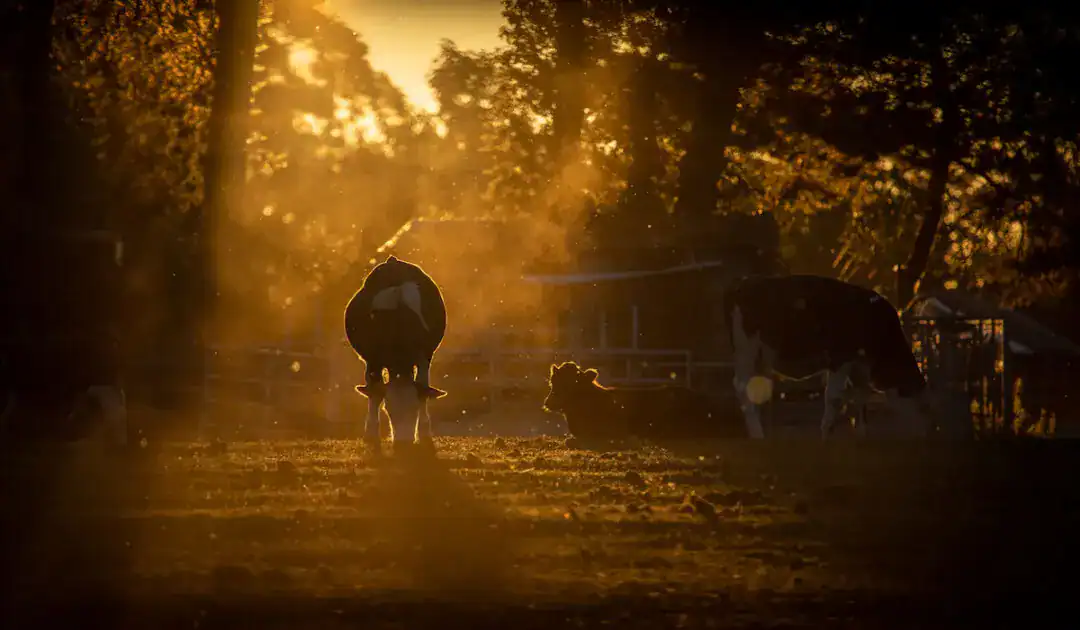
The first time I heard cows mooing nonstop in the middle of the night, I’ll admit it — I got a little spooked.
It was one of those dead-quiet country nights where every sound feels magnified. The air sat heavy, the moon hung low over the pasture, and suddenly a deep “MOOOOOO” rolled across the darkness like a foghorn in a horror movie.
Then another.
And another.
At 2 AM, your imagination starts sprinting faster than your common sense. Were the cows in danger? Did they see something? Were they simply plotting against humanity one moo at a time?
As it turns out, cows don’t moo randomly.
Especially not at night.
Cows use mooing as communication, and nighttime mooing often signals something important: stress, danger, hunger, separation, confusion, or social communication within the herd.
In other words, those late-night moo concerts usually mean the cows are trying to say something.
And honestly, once I learned more about cattle behavior, those nighttime sounds started making a lot more sense.
Cows Are Surprisingly Talkative Animals
Most people think cows spend their days standing silently in fields chewing grass like sleepy lawn ornaments.
Reality looks very different.
Cows communicate constantly.
They use:
- Mooing
- Body language
- Smells
- Movement
- Social positioning
A herd of cattle functions almost like a giant social network covered in fur and mud.
Every moo carries meaning.
Some calls sound calm and conversational. Others sound urgent enough to make every animal in the pasture lift its head at once.
And nighttime tends to amplify those communications because darkness changes how animals behave.
Why Cows Moo More at Night
Nighttime creates a completely different environment for cattle.
Predators become more active.
Visibility drops.
Herd movement changes.
And cows naturally become more alert.
That means mooing often increases after dark because cattle rely more heavily on vocal communication when they can’t fully see what’s happening around them.
Think of it like humans talking louder during a power outage.
Sound becomes more important when sight becomes less reliable.
1. Cows Moo at Night Because They Feel Threatened
This ranks as one of the biggest reasons cows suddenly start bellowing after dark.
Cows know predators prefer nighttime cover.
And trust me — cattle stay far more aware of their surroundings than many people realize.
Common Nighttime Predators
| Predator | Risk to Cattle |
| Coyotes | High for calves |
| Wild dogs | Serious threat |
| Mountain lions | Dangerous in some regions |
| Wolves | Threat in certain areas |
| Stray dogs | Often underestimated |
If one cow spots danger, she’ll often moo loudly to alert the rest of the herd.
That moo acts like a biological alarm system.
Suddenly:
- Heads lift
- Ears perk up
- Calves move closer to mothers
- The herd groups tighter together
Nature wired cattle to survive through cooperation.
One nervous cow quickly becomes everybody’s problem.
Herd Mentality Keeps Cows Alive
Cows are prey animals.
That means survival depends heavily on group awareness.
A lone cow stands vulnerable.
A herd of cattle? That’s a much tougher target.
Why Herds Matter at Night
| Herd Benefit | Why It Helps |
| More eyes watching | Earlier predator detection |
| Group defense | Safer calves |
| Shared communication | Faster warning signals |
| Emotional security | Reduced stress |
Honestly, cattle rely on each other emotionally more than people expect.
A calm herd creates calm individuals.
A nervous herd creates chaos fast.
| Check out: Hand Milking vs. Machine Milking Cows |
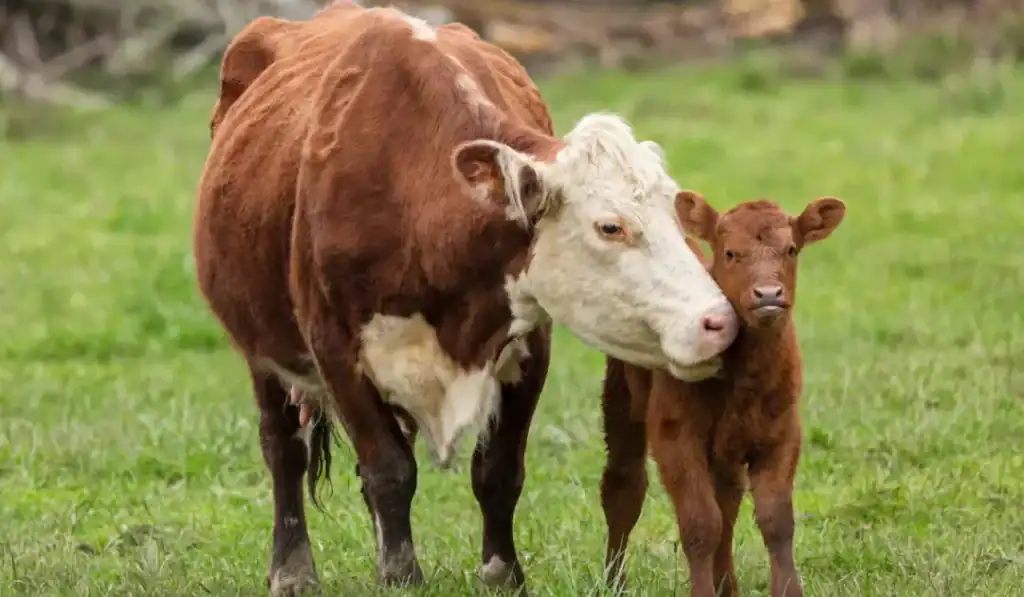
2. Mother Cows Moo When They Can’t Find Their Calves
If you’ve ever heard a distressed cow calling repeatedly through the night, there’s a good chance motherhood sits at the center of it.
Mother cows form incredibly strong bonds with their calves.
And when separation happens — even temporarily — the mooing begins almost immediately.
Why Mother Cows Call Out
- Searching for calves
- Responding to calf cries
- Stress from separation
- Re-establishing contact
The emotional intensity surprises many people.
A cow searching for her calf sounds genuinely distressed.
And honestly, once you hear it, you stop thinking of cattle as emotionally distant animals.
Calves Moo Back Too
This part always fascinates me.
A separated calf often responds directly to its mother’s calls.
The two essentially “talk” back and forth across the pasture until they reconnect.
It reminds me a little of parents yelling for kids in crowded stores:
“Where are you?!”
“I’m over here!”
Except with more hay involved.
3. Lost Cows Moo to Find the Herd
Cows occasionally escape.
And when they do, nighttime can quickly turn confusing.
A fallen branch, broken fence, or open gate may allow a cow to wander farther than intended.
At first, curiosity takes over.
Then reality sets in.
Suddenly the cow realizes:
“I have absolutely no idea where everybody went.”
That’s when the mooing starts.
Signs a Cow May Be Lost
| Behavior | Meaning |
| Repeated loud mooing | Trying to reconnect |
| Pacing fence lines | Searching for herd |
| Agitated movement | Stress and confusion |
| Calling toward pasture | Seeking response |
Fortunately, herdmates often moo back, helping guide the lost cow home.
Honestly, it works like rural bovine GPS powered entirely by yelling.
4. Hungry Cows Absolutely Moo for Food
Cows learn routines fast.
Especially feeding routines.
If cattle expect hay at a certain hour and nobody shows up? The complaints begin.
Loudly.
Why Hungry Cows Moo
- Empty feed troughs
- Delayed feeding times
- Drought-reduced pasture
- Competition within herd
- Anticipation of feeding
And cattle quickly learn humans respond to noise.
A mooing cow often succeeds in attracting attention faster than a quiet one.
Which means cows accidentally train us over time.
Pretty clever, honestly.
Cows Also Moo When They Find Food
This surprised me at first.
Cows don’t only moo because they lack food.
Sometimes they moo because they found something exciting to eat.
Fresh pasture.
Escaped grain.
Green grass beyond the fence.
To cattle, discovering premium grazing feels a little like finding an all-you-can-eat buffet hidden behind a locked door.
And yes — they absolutely tell the others about it.
| Continue: Do Cows Have Periods? Here’s What Actually Happens During a Cow’s Heat Cycle |
5. Stress, Pain, or Loneliness Can Trigger Mooing
Cows moo emotionally too.
A stressed cow often becomes a vocal cow.
That stress may come from:
- Injury
- Illness
- Isolation
- Heat stress
- Changes in herd dynamics
- Transportation
- Loss of companions
Emotional Causes of Mooing
| Cause | Typical Behavior |
| Injury | Repeated distressed mooing |
| Loneliness | Persistent calling |
| Separation anxiety | Pacing and vocalizing |
| Environmental stress | Restlessness |
Cattle form social bonds surprisingly deeply.
Move one cow away from her usual companions, and suddenly the pasture sounds like a breakup playlist.
Can Cows Actually See Well at Night?
Yes — much better than humans can.
This explains why cows often react to nighttime movement long before people notice anything.
Cows evolved as prey animals, so strong night vision became essential for survival.
Why Cows See Better in Darkness
- Larger pupils
- Specialized reflective eye structures
- Better low-light sensitivity
- Wider field of vision
A cow standing quietly in darkness may already see movement humans completely miss.
Honestly, that realization made nighttime mooing feel less random and more like an early warning system.
Are Cows Active During the Night?
Not wildly active — but definitely not asleep all night either.
Cows alternate between:
- Grazing
- Resting
- Ruminating
- Social interaction
And during hot weather, many cows become more active overnight because cooler temperatures make grazing easier.

Common Nighttime Cow Activities
| Activity | Why They Do It |
| Grazing | Cooler temperatures |
| Rumination | Digestion process |
| Moving with herd | Social behavior |
| Watching surroundings | Predator awareness |
So yes — cows absolutely remain awake and active after dark.
Especially when conditions encourage it.
Strange Superstitions About Mooing at Night
Like many animal behaviors, nighttime mooing picked up old folklore over the years.
Some superstitions claim:
- A mooing cow predicts death
- Nighttime cattle sounds signal bad luck
- Certain calls warn of tragedy
Personally, I think people simply feared unexplained nighttime sounds before modern understanding existed.
And honestly, hearing deep cattle calls echo across dark fields can feel eerie if you don’t know what’s causing them.
But cows aren’t predicting doom.
They’re communicating.
That’s all.
How Farmers Keep Cows Safer at Night
Reducing stress and danger often reduces nighttime mooing too.
Experienced ranchers focus heavily on nighttime herd safety.
Keep Cows in Proper Herd Sizes
A lonely cow often becomes an anxious cow.
Most cattle feel safer in larger groups.
Ideal Herd Benefits
- Better predator protection
- Reduced stress
- More stable behavior
- Less nighttime agitation
Nature designed cattle for social living.
Isolation rarely works well.
Livestock Guardian Dogs Help Tremendously
Some farms use livestock guardian dogs like:
- Great Pyrenees
- Anatolian Shepherds
- Maremmas
These dogs patrol fields overnight and discourage predators before attacks happen.
And honestly, predators usually decide the pasture isn’t worth the trouble once a giant white guardian dog starts patrolling like a furry security guard.
Donkeys Make Surprisingly Good Protectors
This one surprised me.
Donkeys often defend livestock aggressively.
A donkey may:
- Chase predators
- Kick attackers
- Sound alarms
- Guard vulnerable calves
Donkeys basically operate with the emotional energy of grumpy neighborhood watch captains.
And predators learn quickly not to test them.
| Related: Why Is Triticale Hay the Perfect Feed Option for Beef Cows? |
Pregnant and Sick Cows Need Extra Protection
Weak animals attract predators.
So farmers often move:
- Pregnant cows
- Injured cattle
- Sick animals
- Newborn calves
closer to barns or secure enclosures overnight.
Birth especially creates vulnerability.
A laboring cow can’t defend herself effectively while delivering a calf.
Final Thoughts: Cows Moo at Night for a Reason
So no — cows aren’t mooing at night just to ruin your sleep schedule.
Every moo usually signals something meaningful:
- Fear
- Hunger
- Stress
- Social bonding
- Maternal instincts
- Herd communication
Once I understood that, nighttime mooing stopped sounding random.
Instead, it started sounding like conversation.
Cattle may not speak our language, but they constantly communicate with each other — and sometimes with us too.
And honestly, the countryside would feel strangely empty without those midnight mooing echoes rolling across the dark like nature’s version of late-night radio chatter.