Do Cows Like Being Milked? What I Learned About Hand Milking vs. Machine Milking

Before I spent time around dairy cattle, I pictured milking as either a peaceful postcard scene or some cold industrial process straight out of a documentary. In my head, there wasn’t much middle ground.
Then I actually watched cows walk into a milking parlor on their own.
No panic.
No chaos.
No dramatic barnyard rebellion.
Just a line of cows casually strolling in like office workers clocking into the morning shift.
That moment flipped a switch in my brain.
Because whether people love or hate the dairy industry, one question sits at the center of the conversation like a cow in the middle of a country road:
Do cows actually like being milked?
From everything I’ve seen and learned, the answer seems surprisingly close to yes — or at least, cows clearly appreciate the relief that milking provides when their udders become painfully full.
Of course, the conversation gets more complicated once you start discussing calf separation, industrial farming, machine milking, and animal welfare. Like most things involving agriculture, this topic isn’t black-and-white. It’s more like a muddy pair of boots after spring rain: layered, messy, and impossible to understand from a distance.
So let’s pull back the barn door and talk honestly about what milking feels like for cows, how hand milking compares to machine milking, and why dairy farming sparks such emotional debate.
First Things First: Not All Cows Are Dairy Cows
This surprised me when I first learned it.
People often say “cow” as if all cattle serve the same purpose, but farmers usually divide cattle into two main categories:
- Dairy cattle
- Beef cattle
And trust me, those two groups live very different lives.
Dairy vs. Beef Cattle
| Type of Cow | Main Purpose | Milk Production |
| Dairy Cow | Produce milk | Very high |
| Beef Cow | Produce meat | Lower milk supply |
Dairy breeds like:
- Holsteins
- Jerseys
- Guernseys
have been selectively bred for generations to produce enormous amounts of milk.
We’re talking biological overachievers.
These cows create far more milk than a single calf could ever drink.
That’s why milking becomes necessary in the first place.
Why Milking Actually Relieves Discomfort
One thing many people don’t realize: a dairy cow’s udder can become extremely uncomfortable when it stays full too long.
Imagine carrying around four overinflated water balloons attached to your body all day.
That pressure builds fast.
So when a cow enters the milking parlor willingly, she often isn’t “submitting” to the process. She’s seeking relief.
Signs a Cow Wants Relief
| Behavior | What It Often Means |
| Standing calmly for milking | Comfortable with routine |
| Walking voluntarily to milking station | Anticipating relief |
| Relaxed body posture | Low stress |
| Restlessness before milking | Udder discomfort |
Honestly, cows thrive on routine. Once they associate milking with comfort, many cooperate without much fuss.
Animals don’t usually volunteer for painful experiences twice a day.
So… Does Milking Hurt?
Under normal conditions, milking should not hurt a cow.
Whether performed by:
- Hand milking
- A calf nursing
- A properly functioning machine
the process mimics the natural removal of milk from the udder.
That’s the key distinction.
A healthy milking process removes milk the cow already biologically expects to release.
| Related: Why Do Cows Moo at Night? What Those Midnight Mooing Sessions Actually Mean |
When Milking Can Become Painful
Now, let’s not sugarcoat things with a bucket of molasses.
Milking can become painful if:
- Machines malfunction
- Teats become injured
- Farmers handle cows roughly
- Infections develop
- Hygiene gets neglected
The most common issue is mastitis, an infection in the udder that causes swelling, pain, and inflammation.
Common Causes of Milking Pain
| Problem | Potential Effect |
| Mastitis | Painful swelling |
| Dirty equipment | Infection risk |
| Overmilking | Teat irritation |
| Rough handling | Stress and injury |
Good dairy farmers work hard to avoid these problems because healthy cows produce better milk and live more comfortably.
Poor care hurts both the animals and the farm itself.
Hand Milking: Old-School, Slow, and Surprisingly Personal
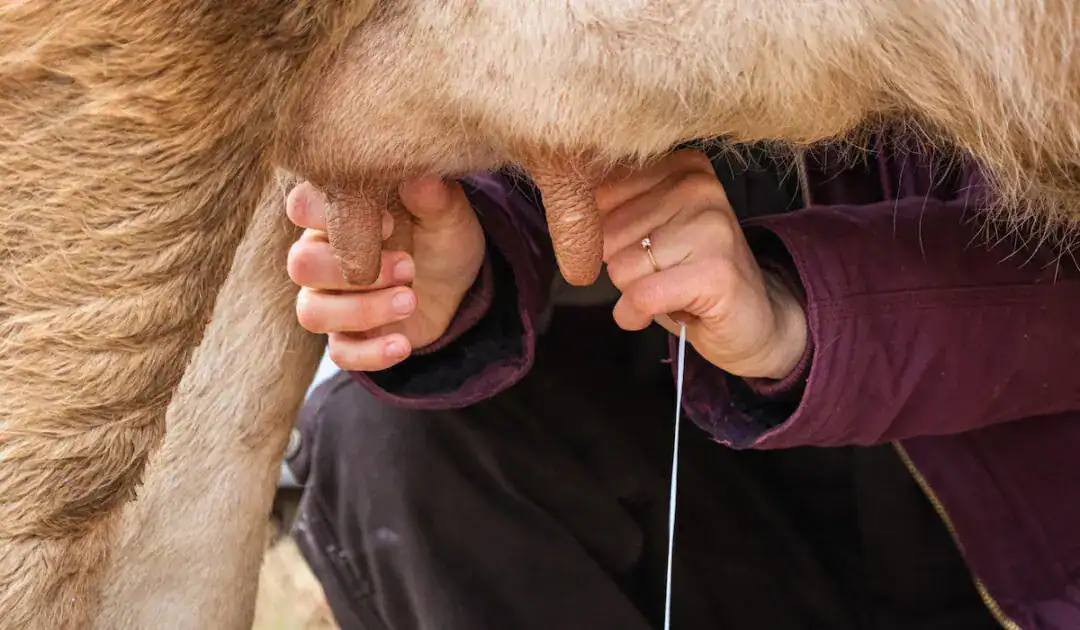
I’ve watched hand milking a few times, and honestly, it feels almost meditative.
There’s rhythm to it.
The farmer sits beside the cow with practiced movements:
- Wash the udder
- Position the bucket
- Grip carefully
- Pull gently
Milk hits the pail with that soft metallic pinging sound that somehow makes a barn feel even more rustic.
Pros and Cons of Hand Milking
| Pros | Cons |
| More personal interaction | Very time-consuming |
| Easier to notice health issues | Labor intensive |
| Less equipment needed | Difficult for large farms |
| Calmer environment | Slower milk production |
Small farms often prefer hand milking because it creates closer contact between farmer and cow.
The farmer notices:
- Swelling
- Injuries
- Behavioral changes
- Temperature differences
before problems spiral out of control.
It’s hard to miss details when your hands literally work inches from the animal every day.
Machine Milking Changed Dairy Farming Forever
Modern dairy farms usually rely on milking machines.
And honestly, they had to.
Imagine hand milking hundreds — or thousands — of cows daily.
Your wrists would file for divorce.
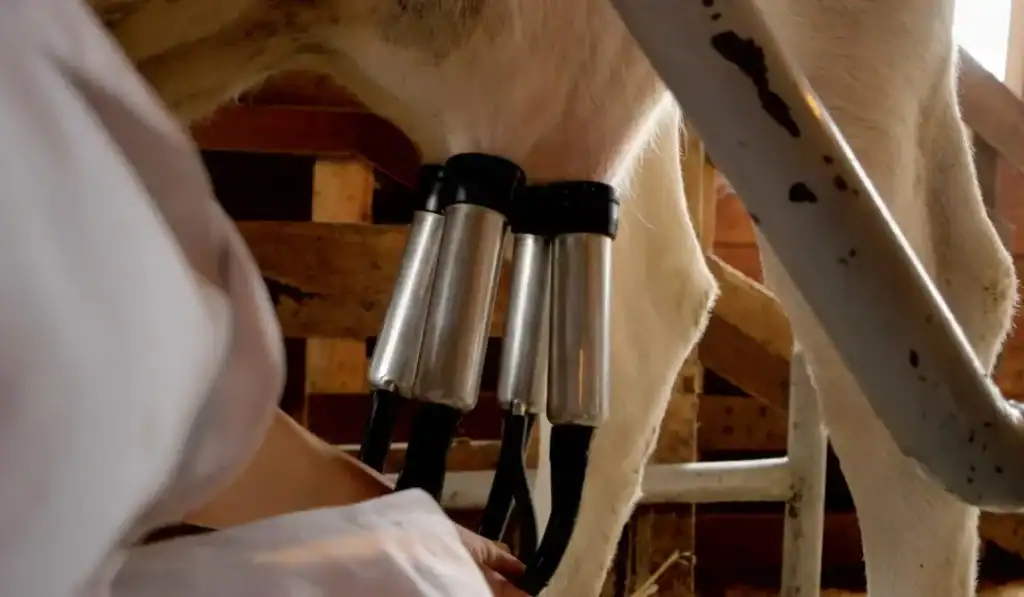
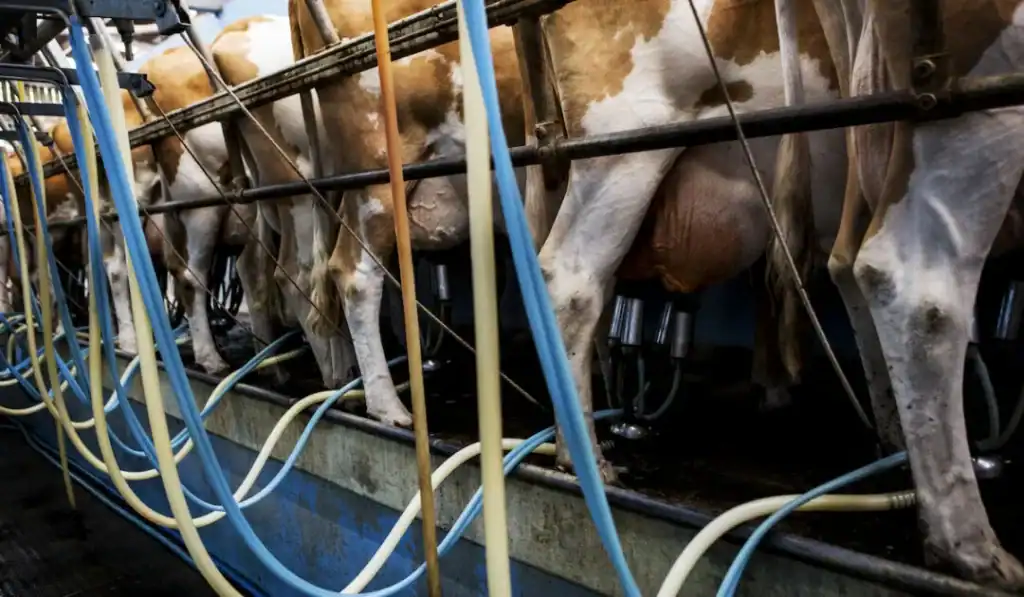
Machine systems use vacuum-powered teat cups that imitate natural suckling motions.
How Machine Milking Works
- Farmers clean the udder
- Teat cups attach to each teat
- Gentle vacuum pressure removes milk
- Milk travels through sanitized tubes
- Equipment gets cleaned afterward
The actual process looks surprisingly efficient and calm when handled correctly.
Most cows stand quietly because, again, they want the relief.
Hand Milking vs Machine Milking
Here’s the clearest side-by-side comparison.
| Feature | Hand Milking | Machine Milking |
| Speed | Slow | Fast |
| Labor | High | Lower |
| Equipment Cost | Cheap | Expensive |
| Best For | Small farms | Large dairies |
| Personal Interaction | Very high | Moderate |
| Efficiency | Lower | Much higher |
Neither system automatically guarantees better animal welfare.
The human behind the process matters far more.
A compassionate farmer with machines often treats cows better than a careless farmer with bare hands.
Dairy Cows Are Bred Differently Than Nature Intended
This part often fuels controversy.
Modern dairy cows produce dramatically more milk than their ancestors ever did naturally.
Selective breeding pushed milk production sky-high over generations.
And honestly, dairy cows today function almost like elite athletes bred specifically for output.
Modern Dairy Cow Production
| Cow Type | Average Daily Milk Production |
| Traditional cattle | Lower |
| Modern dairy cows | Extremely high |
That massive production creates both:
- Economic benefits
- Welfare concerns
Because the more milk a cow produces, the more carefully humans must manage her health.
What Happens to Dairy Calves?
This is where the emotional side of dairy farming becomes impossible to ignore.
On many commercial dairy farms, calves separate from their mothers shortly after birth.
Farmers then bottle-feed the calves separately.
Why?
Because if the calf drinks freely, much less milk remains available for human use.
Why Farmers Separate Calves
Common Reasons
- Protect milk supply
- Monitor calf health closely
- Prevent disease spread
- Manage feeding schedules
- Increase farm efficiency
But emotionally?
It’s complicated.
Mother cows absolutely recognize and bond with their calves.
And yes — many cows call for their calves after separation.
That reality understandably bothers many people.
Milk-Sharing: A Middle Ground
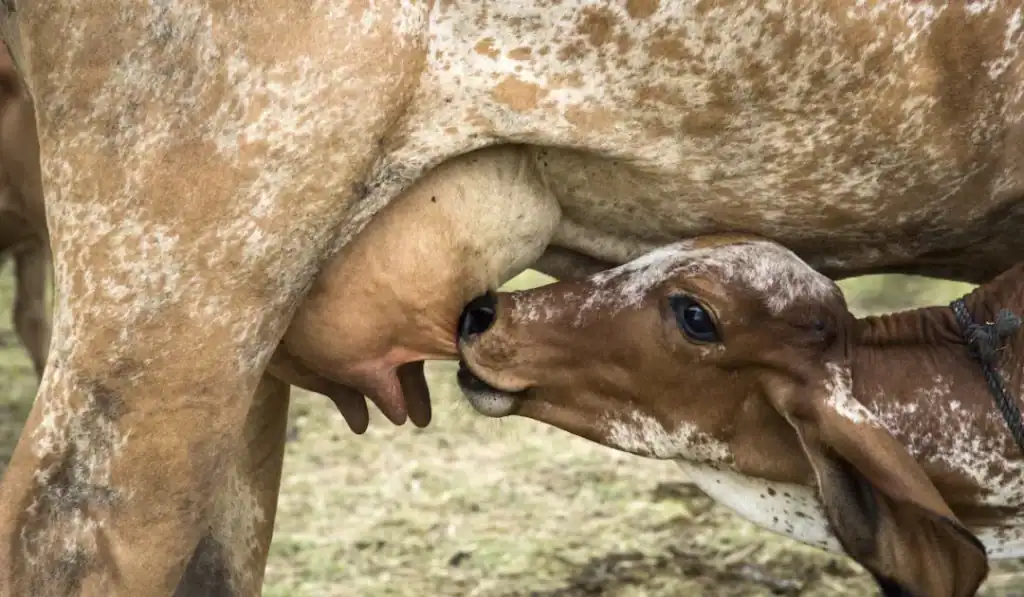
Some smaller farms practice something called milk-sharing.
This approach allows:
- Calves to nurse naturally
- Farmers to collect excess milk
Honestly, it feels more balanced to many people.
The calf stays with the mother while the farmer takes only the surplus milk.
Benefits of Milk-Sharing
| Benefit | Why It Matters |
| Natural bonding | Less stress |
| Calf nutrition | Stronger development |
| Reduced farmer workload | Calf helps empty udder |
| More natural behavior | Improved welfare |
But milk-sharing becomes harder on massive commercial farms where efficiency drives the business model.
Why Dairy Farming Sparks So Much Debate
People often approach dairy farming emotionally because food connects deeply to ethics, culture, and identity.
And both sides raise valid concerns.
Arguments Supporting Dairy Farming
- Provides nutrition
- Supports farmers
- Supplies countless dairy products
- Creates jobs
- Feeds orphaned calves
Concerns Critics Raise
- Calf separation
- Industrial farming conditions
- Overbreeding
- Animal stress
- Profit-driven practices
The truth sits somewhere in the middle pasture.
Some farms treat cows exceptionally well.
Others absolutely deserve criticism.
Blanket assumptions rarely help anyone understand the full picture.
Well-Cared-For Dairy Cows Usually Look Relaxed
This became obvious the more dairy farms I visited.
Healthy dairy cows often:
- Walk calmly
- Lie comfortably
- Chew cud peacefully
- Approach feeding stations confidently
- Enter milking parlors willingly
Stress shows clearly in cattle.
A frightened cow doesn’t hide it well.
Signs of Comfortable Dairy Cows
| Healthy Behavior | Why It Matters |
| Calm movement | Low fear levels |
| Good appetite | Healthy condition |
| Clean coats | Proper care |
| Resting comfortably | Reduced stress |
Good farmers know stressed cows hurt production anyway.
Happy cows generally produce more milk.
Nature rewards good management.
The Financial Side Most People Never See
Caring for cattle costs a staggering amount of money.
Farmers juggle:
- Feed costs
- Vet bills
- Equipment repairs
- Labor
- Land management
- Fuel
- Weather disasters
Dairy farming isn’t some magical money fountain spraying cash across green pastures.
Margins often stay razor thin.
That doesn’t excuse poor treatment, of course.
But understanding the economics helps explain why large-scale efficiency became so dominant.
Final Thoughts: Do Cows Like Being Milked?
If a cow’s udder feels painfully full, then yes — she likely experiences relief from milking.
That’s the simplest and most honest answer.
Milking itself doesn’t inherently hurt cows when:
- Farmers handle them properly
- Equipment functions correctly
- Hygiene stays high
- Stress remains low
But the broader dairy industry raises larger ethical questions surrounding calf separation, industrial farming, and animal welfare.
Personally, I think the conversation works best when people approach it with curiosity instead of outrage.
Because once you spend real time around cattle, you realize they aren’t milk machines.
They’re intelligent, emotional, social animals standing at the center of a complicated relationship humans have built over thousands of years.
And like most things tied to farming, the truth smells less like black-and-white certainty and more like hay, mud, hard work, and nuance.