Do Cows Have Periods? Here’s What Actually Happens During a Cow’s Heat Cycle

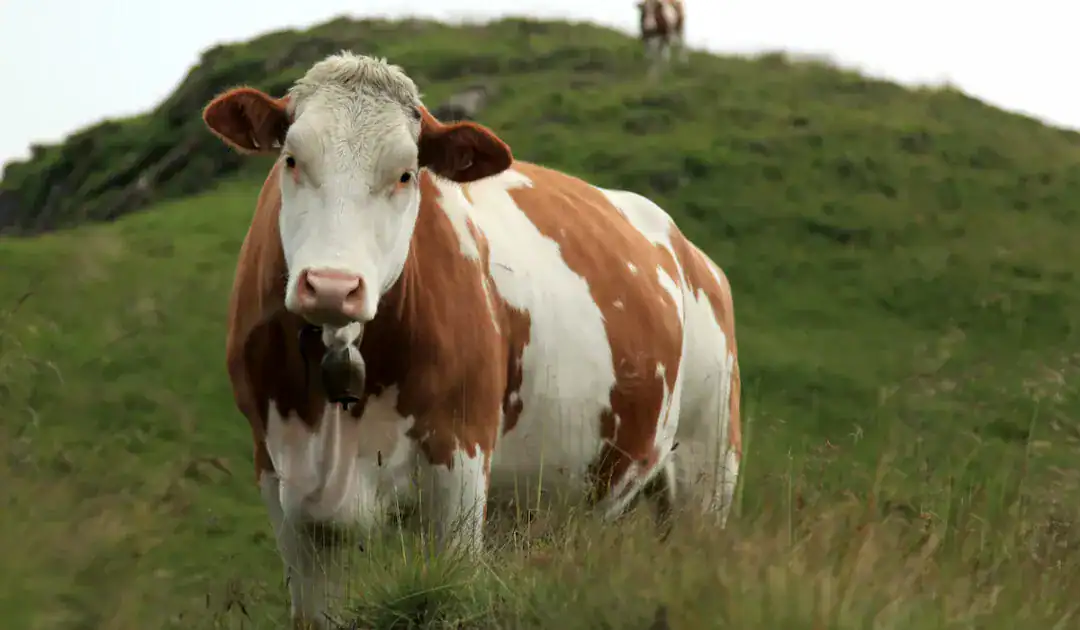
I’ll be honest — before I spent time around cattle, I assumed cows basically worked like giant four-legged humans with hooves and stomachs built like industrial compost bins.
Milk comes out. Babies happen. Somewhere in the middle, I figured there had to be something similar to human periods.
Turns out? Not exactly.
Cows do not have periods the way human females do. They don’t menstruate. Instead, they go through something called an estrous cycle, often shortened to a “heat cycle.”
And while cows can bleed during parts of that cycle, it’s a completely different biological process from human menstruation.
The first time I learned this, I realized how many people — including plenty of animal owners — confuse “bleeding” with “having a period.” The two aren’t automatically the same thing.
So let’s untangle the hay bale and break down how a cow’s reproductive cycle actually works, why cows sometimes bleed, how often cows go into heat, and the signs ranchers watch for when managing cattle.
Because once you understand cattle reproduction, a lot of cow behavior suddenly makes much more sense.
No, Cows Don’t Have Periods
Humans menstruate.
Cows don’t.
That’s the simplest explanation.
A human menstrual cycle sheds the uterine lining if pregnancy doesn’t occur. That shedding creates the bleeding we call a period.
Cows run a different system entirely.
Instead of menstruating, cows cycle through periods of fertility and non-fertility known as the estrous cycle.
Human Period vs Cow Heat Cycle
| Human Menstrual Cycle | Cow Estrous Cycle |
| Includes menstruation | No menstruation |
| Monthly uterine shedding | Hormonal fertility cycle |
| Bleeding is expected | Bleeding may or may not happen |
| Ovulation occurs mid-cycle | Ovulation follows heat |
| Roughly 28 days | Roughly 21 days |
So while cows experience hormonal changes and fertility cycles, they don’t experience “periods” in the human sense.
What Is a Cow’s Heat Cycle?
A cow’s reproductive cycle revolves around fertility.
Everything points toward one biological goal: pregnancy.
Farmers and ranchers usually call this process the heat cycle or estrous cycle.
The average cycle lasts around 21 days, though some cows vary slightly.
The Four Main Stages of a Cow’s Estrous Cycle
| Stage | What Happens |
| Estrus | Cow enters heat and becomes fertile |
| Metestrus | Fertility ends; hormonal shift begins |
| Diestrus | Cow remains non-fertile |
| Proestrus | Body prepares for next heat cycle |
Think of it like a monthly biological roller coaster powered entirely by hormones.
And when a cow reaches estrus — or “standing heat” — things get especially interesting.
What Does “In Heat” Actually Mean?
When people say a cow is “in heat,” they mean the cow has entered her fertile window.
This is the brief period when:
- The cow becomes receptive to breeding
- Ovulation approaches
- Hormones surge dramatically
- Behavior changes become obvious
If a bull exists anywhere nearby, trust me — he notices immediately.
Honestly, bulls detect a cow in heat faster than people smell popcorn at a movie theater.
How Often Do Cows Go Into Heat?
Most cows come into heat every:
- 17 to 24 days
- Usually around the 21-day mark
And once the heat begins, timing matters.
Typical Cow Heat Timeline
| Event | Approximate Timing |
| Heat begins | Day 1 |
| Standing heat lasts | About 10 hours |
| Ovulation occurs | Roughly 25 hours later |
That fertile window stays surprisingly short.
Ranchers often monitor cattle carefully during this period because missing the signs can delay breeding plans significantly.
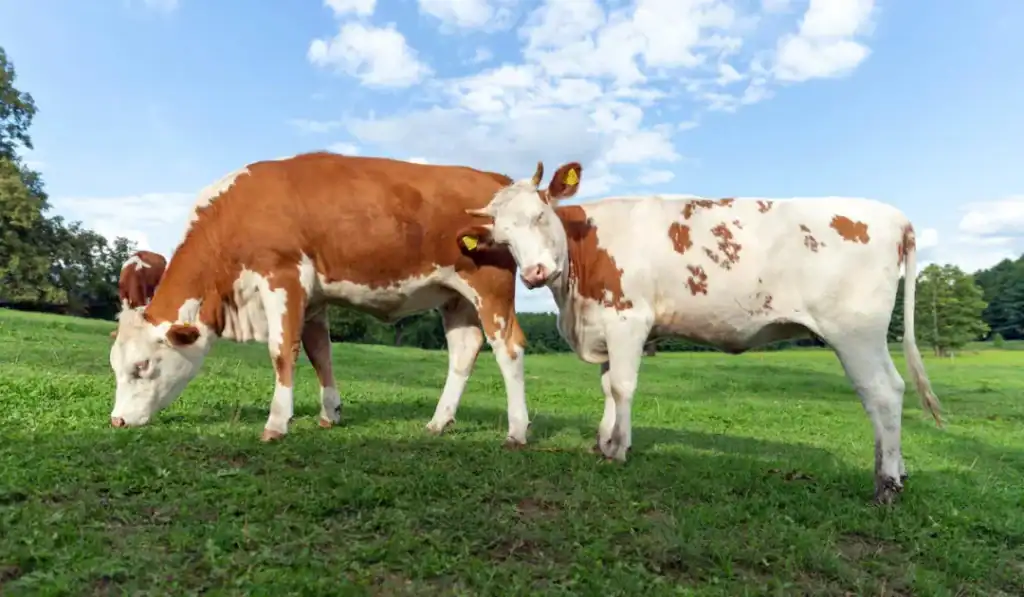
Why Do Some Cows Bleed?
This confuses a lot of people.
If cows don’t menstruate, why do they sometimes bleed?
The answer sits in hormonal shifts and physical changes during the reproductive cycle.
Some cows experience light bleeding shortly after estrus ends.
But this isn’t menstruation.
Reasons a Cow May Bleed
- Hormonal fluctuations
- Small ruptured blood vessels
- Post-breeding irritation
- Physical effects of mounting
- Signs estrus recently occurred
In many cases, light spotting actually tells ranchers the cow recently passed through heat.
It’s more like a biological “heat just ended” notification than a human-style period.
Yes, Cows Absolutely Breed Naturally
A mature bull and a fertile cow require very little supervision to figure things out.
Nature handles the details pretty efficiently.
Which explains why ranchers separate young males earlier than many people realize.
Important Cattle Breeding Facts
| Fact | Why It Matters |
| Bulls can breed young females | Prevents accidental pregnancies |
| One bull can breed many cows | Herd management matters |
| Bulls mature early | Separation becomes necessary |
Most farmers separate intact male calves around six months old to prevent unplanned breeding.
And honestly, cattle don’t waste time once hormones kick in.
6 Major Signs a Cow Is in Heat
One thing I’ve learned about cattle: cows rarely hide their hormones gracefully.
When a cow enters heat, behavior changes often become obvious if you know what to watch for.
Here are the biggest signs ranchers look for.
1. Mounting Behavior
This is the classic sign.
A cow in heat may:
- Allow mounting
- Mount other cows
- Stand still while mounted
That “standing heat” behavior acts like the neon billboard of cattle fertility.
Heat Behavior Table
| Behavior | Possible Meaning |
| Standing to be mounted | Strong heat indicator |
| Mounting other cows | Hormonal excitement |
| Increased movement | Restlessness |
Young heifers especially seem awkward during first heat cycles.
Honestly, teenage cows handle hormones about as smoothly as teenage humans do.
2. Swollen Vulva
Hormonal changes increase blood flow to reproductive tissues.
That causes:
- Swelling
- Puffiness
- Darker coloration
Experienced cattle owners often recognize this sign quickly during routine checks.
3. Mucus Discharge
This may sound unpleasant, but it’s one of the clearest heat indicators.
You may notice:
- Clear mucus strings
- Sticky discharge
- Dried residue on tail or legs
The mucus helps signal fertility and prepares the reproductive tract for breeding.
Nature rarely worries about elegance.
It prioritizes efficiency.
4. Grouping Behavior
Cows in heat often separate slightly from the herd.
You may notice:
- Bulls lingering nearby
- Small cow groups forming
- Increased interaction between specific animals
It’s basically cattle dating season.
And like human dating scenes, it comes with plenty of pacing, awkwardness, and dramatic energy.
5. Restlessness and Loud Vocalizing
A calm cow may suddenly become:
- More active
- More vocal
- More agitated
- More alert
Hormones crank the emotional volume knob way up.
Some cows pace fields endlessly while bellowing loud enough to echo across the farm.
If you’ve ever heard it, you know exactly what I mean.

6. Licking Other Cows
Yes, this behavior feels awkward to discuss.
But it’s also very common.
Cows in heat frequently investigate and lick other cows’ rear ends as part of hormonal and social communication.
To cattle, this behavior makes perfect sense.
To humans, it mostly reminds us that nature follows its own rulebook.
What Age Do Heifers First Go Into Heat?
Young female cows, called heifers, can experience first heat surprisingly early.
Most begin somewhere between:
- 9 months
- 2 years
That’s why many ranchers begin monitoring young cattle around six months old.
Early maturity creates management challenges fast.
Should You Breed a Heifer on Her First Heat?
Most experienced cattle owners avoid it whenever possible.
A young heifer may technically become fertile before her body fully matures.
And pregnancy places enormous stress on:
- Bones
- Muscles
- Nutritional reserves
- Pelvic development
Risks of Breeding Too Early
| Risk | Why It Matters |
| Difficult birth | Pelvis may remain too small |
| Miscarriage risk | Body still developing |
| Physical strain | Growth competes with pregnancy |
| Long-term health issues | Increased stress on body |
Many ranchers wait until heifers mature physically before breeding them.
Because just because nature allows something doesn’t mean it’s ideal.
Can Farmers Trigger Heat Cycles?
Yes — and this surprised me too.
Farmers sometimes use hormones to synchronize breeding schedules.
One common method involves prostaglandin injections that influence reproductive timing.
But ranchers also use simpler, old-school methods.
Natural Ways Ranchers Encourage Heat
- Placing cows near bulls
- Keeping cows near other females in heat
- Reducing stress
- Improving nutrition
- Following natural seasonal rhythms
Honestly, cattle hormones operate like dominoes. One animal’s behavior often influences the entire herd.
Why Understanding Cow Reproduction Actually Matters
At first glance, this topic feels overly technical.
But understanding reproductive cycles directly affects:
- Herd health
- Calf survival
- Farm profitability
- Animal welfare
- Breeding success
For ranchers, recognizing heat signs isn’t optional knowledge.
It’s part of daily life.
Missing a heat cycle can mean delayed pregnancies, fewer calves, and financial setbacks.
And beyond farming, understanding cattle biology helps clear up a lot of misconceptions people carry about animals.
Final Thoughts: Cows Don’t Have Periods — But Their Cycles Matter
So no — cows do not have periods.
They don’t menstruate like humans do.
Instead, cows experience a reproductive cycle built around fertility, hormonal shifts, and estrus behavior.
And while bleeding can occasionally happen, it usually signals hormonal changes associated with heat rather than menstruation itself.
Honestly, the more I learn about cattle, the more fascinating they become.
Underneath those calm eyes and slow chewing sits a surprisingly complex biological system running on ancient instincts, hormones, and herd behavior.
Nature really built cattle like living agricultural machinery — steady, powerful, and quietly intricate beneath the surface.