Are Chickens Carnivores, Omnivores, or Herbivores? My Chickens Eat a Mouse

When I first started raising chickens, I pictured a peaceful little backyard scene straight out of a storybook.
A few hens pecking politely at grain.
Fresh eggs in a basket.
Maybe a rooster crowing dramatically at sunrise like he owned the mortgage.
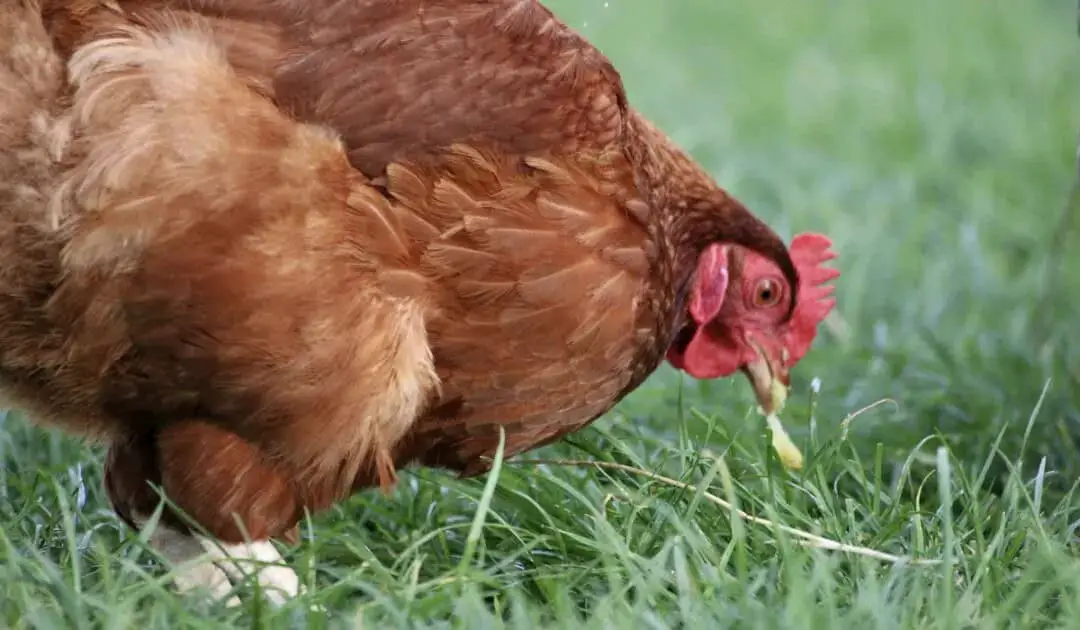
What I didn’t expect was watching one of my hens sprint across the yard with a mouse dangling from her beak while the rest of the flock chased her like feathery pirates fighting over buried treasure.
That moment shattered every cartoon image I ever had about chickens.
Most people assume chickens live on corn, grains, and the occasional leafy green. And sure, they enjoy those foods. But once you spend enough time around a flock, you quickly realize chickens operate more like tiny backyard dinosaurs than delicate farm ornaments.
So that raises the big question:
Are chickens carnivores, herbivores, or omnivores?
After years of keeping chickens and observing their bizarre eating habits firsthand, I can confidently say chickens are omnivores through and through.
And honestly? They’ll eat almost anything that doesn’t eat them first.
Chickens Are Basically Nature’s Tiny Garbage Disposals
One of the first things I learned about chickens is this:
They don’t waste opportunities.
Drop a watermelon rind into the coop? Gone.
Leave grass clippings nearby? Demolished.
A beetle crawls across the dirt? Immediate execution.
Chickens approach food with the enthusiasm of toddlers at a birthday party.
As omnivores, they eat both plant matter and animal protein. Their digestive systems handle an impressive variety of foods, which explains why chickens survive in environments ranging from suburban backyards to rugged rural farms.
In many ways, chickens act like nature’s cleanup crew.
Here’s a quick breakdown of the three animal diet categories:
| Category | Main Food Source | Examples |
| Carnivores | Mostly meat | Hawks, eagles, vultures |
| Herbivores | Mostly plants | Geese, some ducks, cows |
| Omnivores | Plants and meat | Chickens, crows, humans |
Chickens sit comfortably in the omnivore camp.
And they don’t tiptoe around it either.
The First Time I Saw a Chicken Eat Meat
I’ll never forget it.
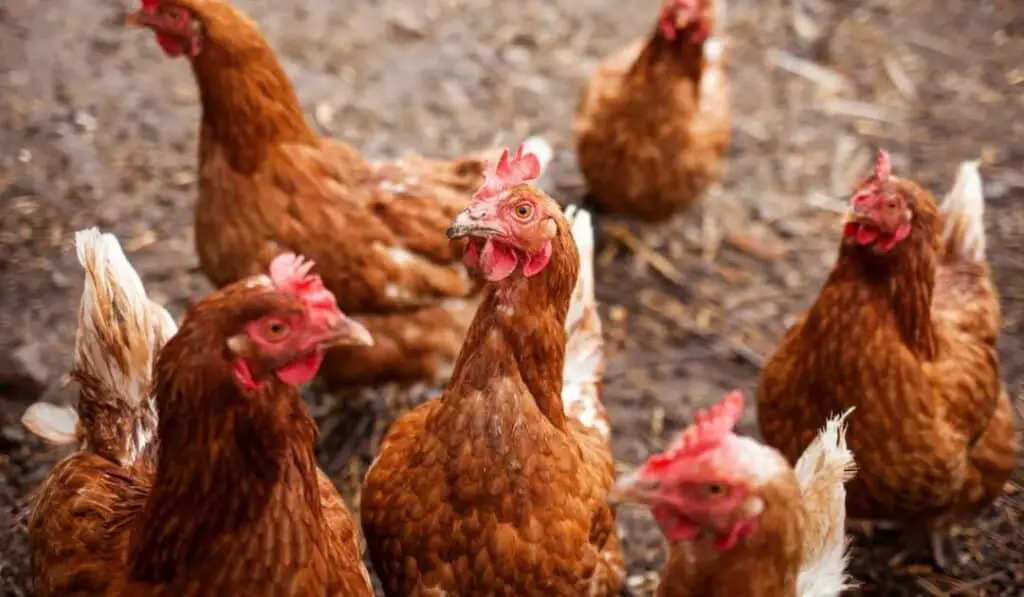
One afternoon, I tossed kitchen scraps into the run expecting the usual frenzy over lettuce and fruit peels. Before I could turn around, one hen cornered a frog near the water bowl.
What happened next looked like a scene from a wildlife documentary.
The flock exploded into chaos.
They chased that poor frog around the coop like bargain hunters storming a Black Friday sale. Within seconds, nature took its course.
That’s when it hit me:
Chickens may look fluffy and harmless, but underneath those feathers lives a tiny opportunist with survival instincts sharper than a tack.
People often underestimate chickens because they’re small. But give them the chance, and they’ll happily snack on:
- Worms
- Beetles
- Grasshoppers
- Mice
- Tiny snakes
- Frogs
- Lizards
- Small birds
It sounds savage, but it’s completely normal behavior.
Why Chickens Need Both Plants and Protein
A chicken’s body thrives on variety.
Plants provide vitamins, minerals, and fiber. Protein from insects and meat helps with growth, feather production, egg laying, and energy.
Think of chickens like tiny athletes constantly burning calories.
Laying eggs alone demands a huge amount of nutrients. Hens pour calcium, protein, and energy into those shells almost daily. Without balanced nutrition, egg production drops faster than my motivation on a Monday morning.
That’s why chickens naturally hunt for bugs and protein-rich snacks whenever they roam freely.
Carnivores vs. Herbivores vs. Omnivores: Why It Matters
Before raising chickens, I never gave much thought to animal dietary categories. Now I realize understanding them changes everything about animal care.
Different digestive systems handle food differently.
Carnivores
Carnivores depend mostly on meat.
Their bodies specialize in digesting animal protein efficiently. They usually have sharp teeth, claws, and hunting instincts.
Birds like hawks and eagles fall into this category.
And unfortunately, those birds often see your chickens as lunch.
| Common Carnivore Birds | Threat to Chickens? |
| Hawks | Yes |
| Eagles | Yes |
| Owls | Yes |
| Falcons | Yes |
When I first started free-ranging my flock, I quickly learned the sky itself becomes part of the danger map.
Herbivores
Herbivores survive mainly on plants.
Animals in this category often spend most of their day grazing, chewing, and digesting fibrous material.
Bird herbivores include:
- Some ducks
- Geese
- Ostriches
Unlike chickens, herbivores usually ignore insects and meat entirely.
Honestly, chickens could never survive as herbivores alone. They’re too curious and opportunistic for that.

Omnivores
Omnivores live in the middle lane.
They adapt easily because they can eat both plants and animal matter. That flexibility gives them a huge survival advantage.
And chickens? They embody that flexibility perfectly.
If food exists, chickens will probably investigate it.
Aggressively.
Chickens Absolutely Love Eating Worms
If I had to pick one universal chicken obsession, it would probably be worms.
The moment one chicken finds a worm, the entire flock transforms into a feathery rugby team.
One hen grabs the worm.
Another chases her.
Then three more join the pursuit.
The whole yard erupts into chaos over what basically amounts to a living noodle.
And no, eating worms does not make chickens carnivores.
Omnivores consume both plants and meat regularly. Worms simply form part of a balanced chicken diet.
Actually, allowing chickens access to insects benefits them tremendously because bugs provide:
- Protein
- Amino acids
- Healthy fats
- Natural foraging stimulation
Free-range chickens often look healthier partly because they diversify their own menu.
Nature built them that way.
Will Chickens Eat Mice? Unfortunately, Yes
This realization surprises most new chicken owners.
But yes, chickens absolutely eat mice.
The first time I witnessed it, I stared in disbelief like someone had just told me squirrels secretly run organized crime rings.
A mouse darted across the coop searching for feed crumbs. One hen lunged with lightning speed, and the rest of the flock joined in.
Game over.
Chickens usually target small creatures they can overpower easily.
That includes:
| Small Animals Chickens May Eat |
| Mice |
| Tiny snakes |
| Frogs |
| Lizards |
| Insects |
| Small birds |
They aren’t hunting for sport either. Protein matters to them.
Honestly, chickens act far more primal than most people expect.
Do Chickens Eat Other Chickens?
Normally, no.
Healthy chickens don’t usually attack flock members with the intention of eating them.
However, stressful conditions can turn a peaceful coop into a pressure cooker.
Problems arise when chickens face:
- Overcrowding
- Hunger
- Boredom
- Lack of protein
- Extreme stress
In those situations, pecking can escalate dangerously.
That’s why coop space matters so much.
Every flock establishes a pecking order. Dominant hens rule the roost while lower-ranking birds need room to escape conflict.
Without enough space, tension spreads through the coop faster than gossip in a small town.
Why Chickens Sometimes Eat Eggs
Egg eating frustrates almost every chicken keeper eventually.
Usually, it starts accidentally.
A hen steps on an egg.
The shell cracks.
Another chicken tastes it.
Suddenly the flock discovers eggs are delicious little protein packets.
Some hens also eat eggs when they lack calcium.
To prevent the problem, I always provide:
- Oyster shells
- Crushed eggshells
- Balanced layer feed
Once chickens develop a taste for eggs, breaking the habit feels like negotiating with tiny feathered criminals.
The Best Foods I Feed My Chickens
Over time, I learned chickens thrive best with balance.
Yes, they love scraps and bugs, but quality commercial feed still forms the backbone of a healthy diet.
Here’s what I regularly feed my flock:
| Food Type | Why Chickens Love It |
| Layer feed | Balanced nutrition |
| Cracked corn | Energy boost |
| Mealworms | Protein |
| Fruits | Treats and hydration |
| Vegetables | Vitamins |
| Grass and weeds | Natural foraging |
| Cooked meat scraps | Protein source |
Watching chickens discover watermelon on a hot day feels like watching kids attack ice cream trucks in summer.
Pure joy.
Foods I Never Feed My Chickens
Even though chickens eat almost anything, some foods can seriously harm them.
I avoid feeding:
- Raw beans
- Chocolate
- Avocados
- Moldy food
- Tomato plant leaves
- Salty processed foods
Chickens lack the judgment to avoid dangerous snacks themselves. If something looks edible, they’ll usually try it first and ask questions never.
That means flock owners need to act as quality control.
Why Chickens Make Such Great Backyard Animals
Part of what makes chickens so lovable is their adaptability.
They aren’t picky.
They recycle scraps.
They hunt pests.
They provide eggs.
And somehow, despite their small size, they each develop ridiculous personalities.
Some hens act sweet and curious.
Others strut around the coop like tiny mob bosses collecting protection money.
No two chickens behave exactly alike.
That unpredictability keeps chicken keeping endlessly entertaining.
| Check out: Free Range Chickens Benefits: The Healthier and More Ethical Option |
Final Thoughts From Someone Who Underestimated Chickens
Before raising chickens, I assumed they survived mostly on grain and scratch feed.
Now I know better.
Chickens are resourceful little omnivores with surprisingly wild instincts hiding beneath all those feathers. One minute they’re peacefully pecking clover in the sunshine, and the next they’re fighting over a grasshopper like gladiators in a Roman arena.
Honestly, that’s part of their charm.
They’re messy.
They’re dramatic.
They’re opportunistic little dinosaurs with excellent egg production.
And once you spend enough time around them, you realize chickens don’t just eat food.
They attack life head-on with absolute enthusiasm.
Which, if I’m being honest, makes me respect them even more.