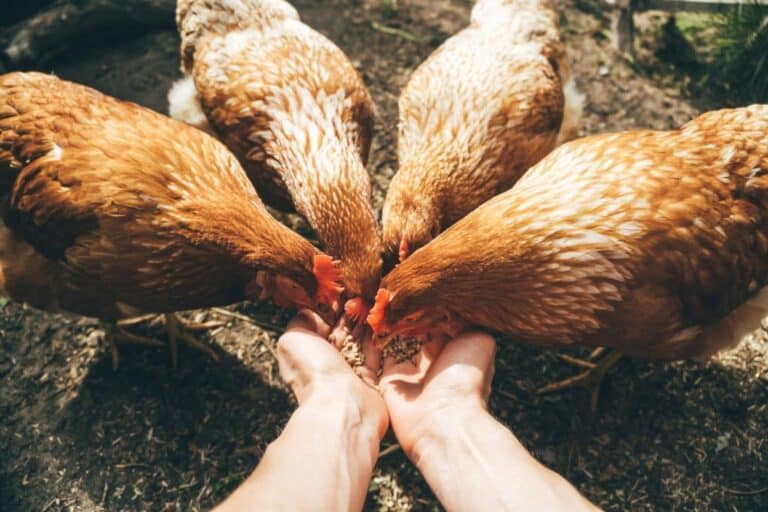
Chicken Math Explained: How I Somehow Ended Up With “Not That Many” Chickens

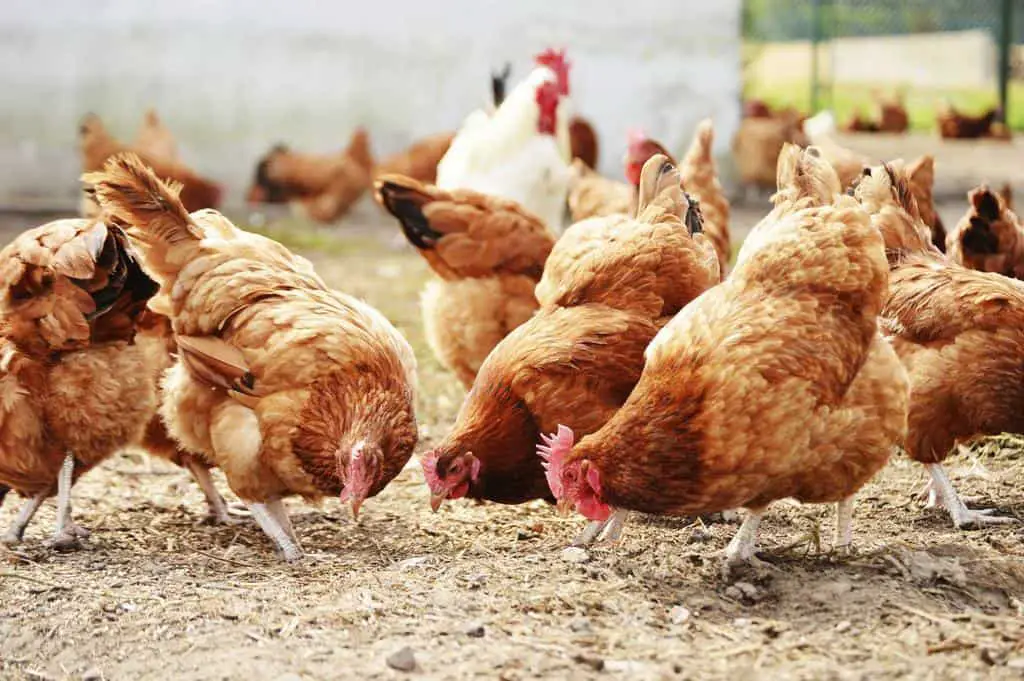
I used to think math was simple.
Two plus two equals four. Ten minus three equals seven. Easy. Clean. Predictable.
Then I bought chickens.
That’s when I discovered the laws of the universe bend inside a chicken coop. Numbers lose their grip on reality. Logic packs its bags and leaves town. Suddenly, you walk into the feed store for “just two chicks” and leave with a cardboard box chirping like a tiny orchestra.
And somehow, according to chicken math, you still barely have any chickens at all.
If you’re new to backyard chickens, allow me to save you some confusion right now: regular math and chicken math are two entirely different beasts.
One belongs in a classroom.
The other belongs in muddy boots with feed dust on the dashboard of a pickup truck.
Let me explain.
What Exactly Is Chicken Math?
Chicken math is the strange, highly unofficial system chicken owners use to justify acquiring more birds while insisting they don’t actually own that many chickens.
It starts innocently.
You buy a couple of hens for fresh eggs. Maybe four if you’re feeling adventurous. Your spouse thinks the hobby looks wholesome and charming. Friends call it “cute.”
At this stage, traditional mathematics still functions normally.
| Chickens Bought | Actual Chicken Count | Emotional Stability |
| 2 | 2 | Stable |
| 4 | 4 | Completely normal |
| 8 | 8 | Still believable |
But then something shifts.
You visit the feed store “just to look.”
You scroll through rare chicken breeds online at midnight.
You suddenly know the difference between a Wyandotte and an Orpington like your life depends on it.
Before long, the flock grows legs of its own.
That’s chicken math.
The Day I Realized Chicken Math Was Real
I remember the exact moment everything changed for me.
A neighbor casually asked how many chickens I had.
I opened my mouth confidently… then froze like a deer in headlights.
Was it 18?
Maybe 26?
Did I count the chicks in the brooder?
What about the rooster I planned to rehome?
Were the two hens sitting on eggs technically future chickens already?
My brain started buffering like an old internet connection.
That’s when I realized chicken ownership quietly transforms into a fuzzy gray area where exact numbers become more of a suggestion than a fact.
And honestly? Most chicken keepers reach this point eventually.
Why Chicken Owners Stop Counting Accurately
Here’s the thing nobody tells you before you buy chickens:
They multiply emotionally before they multiply physically.
Each trip to the farm store feels harmless. Each hatch seems temporary. Every “just one more” purchase slides into your life like a fox sneaking under the fence.
Eventually, your coop becomes its own little civilization.
And suddenly, answering “How many chickens do you have?” feels oddly personal.
So naturally, chicken math steps in to save the day.
| Related: Organic Chicken and Non-GMO Chicken: What’s the Difference? |
The Official Rules of Chicken Math
Over time, I developed my own unofficial formula for calculating my “true” number of chickens.
It may not hold up in a university statistics course, but it works beautifully in conversations with spouses, neighbors, and suspicious feed-store cashiers.
Here’s how it works.
Step 1: Start With Your Total Number of Chickens
First, count every live bird currently on your property.
This includes:
- Hens
- Roosters
- Teenagers
- Pullets
- Chicks
- Escape artists hiding behind the coop
Do not include:
- Fertilized eggs
- Birds still on order
- Chickens you “might” buy this weekend
- Imaginary chickens from Pinterest inspiration boards
This number acts as your starting point.
And then we immediately begin shrinking it.
Step 2: Subtract the Meat Birds
Meat chickens don’t count.
I don’t make the rules. Chicken math does.
Sure, you feed them daily and fuss over them like tiny feathered toddlers. But deep down, everybody knows those birds have a retirement plan involving mashed potatoes and gravy.
So they come off the total immediately.
| Type of Chicken | Counts in Chicken Math? |
| Egg layers | Nope |
| Meat birds | Nope |
| Chicks | Nope |
| Named pets | Nope |
| Birds for sale | Nope |
| Roosters | Usually nope |
At this point, you might wonder whether any chickens count at all.
Welcome to the club.
Step 3: Subtract All Chicks
Baby chicks exist in a strange limbo.
They’re basically chicken DLC content — not fully unlocked yet.
I never count chicks because:
- Some may turn out to be roosters
- Some may get sold
- Some may not survive
- They still live under a heat lamp like fuzzy little marshmallows
Until they strut confidently around the coop stealing snacks from older hens, they remain mathematically invisible.
Besides, chicks barely look real anyway. They resemble animated cotton balls with trust issues.
Step 4: Remove Roosters From the Equation
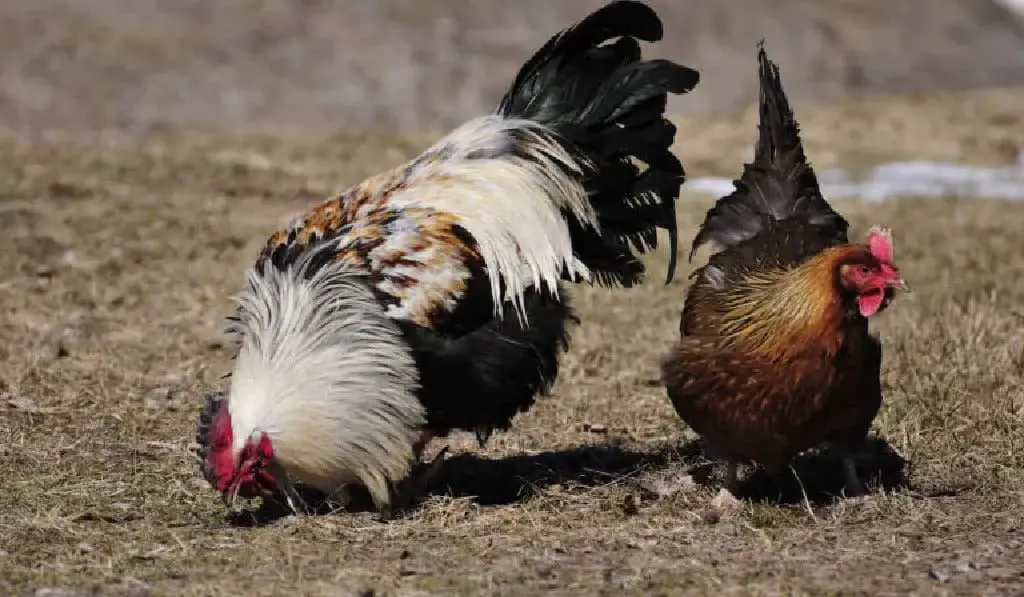
Roosters occupy a weird space in chicken ownership.
They serve important purposes:
- Protecting the flock
- Fertilizing eggs
- Acting dramatically at sunrise
- Picking fights with wheelbarrows
But they rarely count in chicken math.
Why?
Because roosters usually fall into one of three categories:
- Temporary
- Replaceable
- Loud enough to trigger neighborhood diplomacy meetings
I’ve owned roosters with more personality than some people, but even then, chicken math quietly escorts them out of the equation.
Step 5: Subtract the Laying Hens Too
Now this part sounds ridiculous to outsiders, but seasoned chicken keepers understand immediately.
Laying hens provide eggs.
Eggs equal food.
Food equals utility.
And anything that actively contributes breakfast to the household practically pays rent.
So technically, layers don’t count as “extra” chickens. They’re productive members of society.
Honestly, some hens work harder than half the people in corporate offices.
Birds for Sale Don’t Count Either
Whenever I list birds for sale, I immediately stop counting them.
Mentally, they’ve already moved out.
They’re like college kids spending one last awkward summer at home before heading into the world.
Sure, they still eat my feed and occupy coop space, but emotionally? Gone.
Chicken math thrives on technicalities.
The Named Chicken Exception
Every chicken owner has that one bird.
Or maybe five.
The hen that follows you around the yard.
The rooster that eats from your hand.
The tiny feathered criminal that sneaks onto the porch looking for treats.
Once a chicken gets a name, the rules change completely.
Named chickens become pets.
Pets don’t count.
Simple.
I once had a hen named Biscuit who rode around in my daughter’s toy wagon like royalty surveying her kingdom. There’s no universe where Biscuit counted as livestock.
She paid taxes in personality alone.
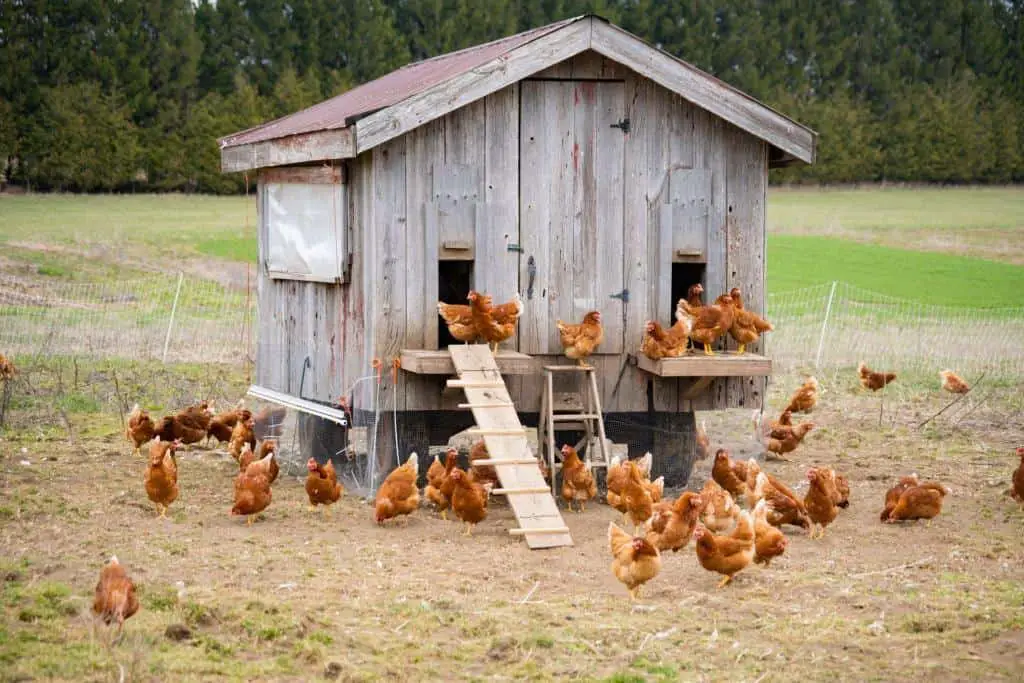
Signs You’ve Fallen Victim to Chicken Math
Not sure whether chicken math has infected your household?
Here are the warning signs.
You Say Things Like:
- “They were on sale.”
- “The coop still has room.”
- “I only bought feed.”
- “The chicks followed me home.”
- “We technically have fewer chickens than last month.”
Your Phone Contains:
- Hundreds of chicken photos
- Coop expansion plans
- Breed comparison charts
- Late-night hatchery tabs
Your Weekend Plans Include:
- Building nesting boxes
- Repairing fencing
- “Quick” feed store trips that take two hours
At this stage, resistance becomes futile.
| Continue: Will Chickens Return to the Coop at Night? |
The Real Formula Behind Chicken Math
After years of chicken keeping, I’ve realized chicken math isn’t really about numbers at all.
It’s about emotion.
Every chicken keeper starts with practical goals:
Fresh eggs.
Natural pest control.
A fun hobby.
Then the birds wriggle into your life feather by feather until your backyard feels alive in a completely different way.
The coop becomes morning therapy.
The clucking becomes background music.
The daily routine slows your racing mind.
You stop merely owning chickens and start building a tiny ecosystem around them.
That’s why chicken math exists.
It softens the reality that your “small flock” now resembles a tiny feathery empire.
My Personal Chicken Math Formula
Nowadays, I use a very simple system.
| Actual Number of Chickens | Number I Tell People |
| 1–10 | Exact number |
| 11–20 | “About a dozen” |
| 21–40 | “A small flock” |
| 41–70 | “Not that many” |
| 70+ | Change subject immediately |
Works every time.

Why Chicken Math Actually Makes Sense
As ridiculous as it sounds, chicken math reflects something genuinely human.
People naturally categorize things emotionally instead of logically.
Gardeners do it with plants.
Dog owners do it with toys.
Book lovers do it with unread novels.
Chicken people just happen to do it with birds.
And honestly, I think that’s part of the charm.
Because somewhere between gathering eggs at sunrise and accidentally buying six more chicks than planned, you realize chickens aren’t just livestock anymore.
They become characters in the story of your home.
Messy.
Loud.
Hilarious.
Unexpected.
Kind of like family.
Final Thoughts From Someone Deep in the Coop Trenches
If you’re standing at the edge of chicken ownership wondering whether to start with “just a few hens,” I have both good news and bad news.
The good news?
Chickens are fun, rewarding, relaxing, and endlessly entertaining.
The bad news?
Chicken math will absolutely get you.
One day you’ll walk into the feed store needing pine shavings and leave with three barred rocks, two silkies, and a coop expansion plan scribbled on a receipt.
And somehow, despite the chaos, you’ll still insist you barely own any chickens at all.
Trust me.
That’s when you’ll know you’ve officially become a chicken person.