How Long Can Goats Be Left Alone? Here’s What I Learned the Hard Way

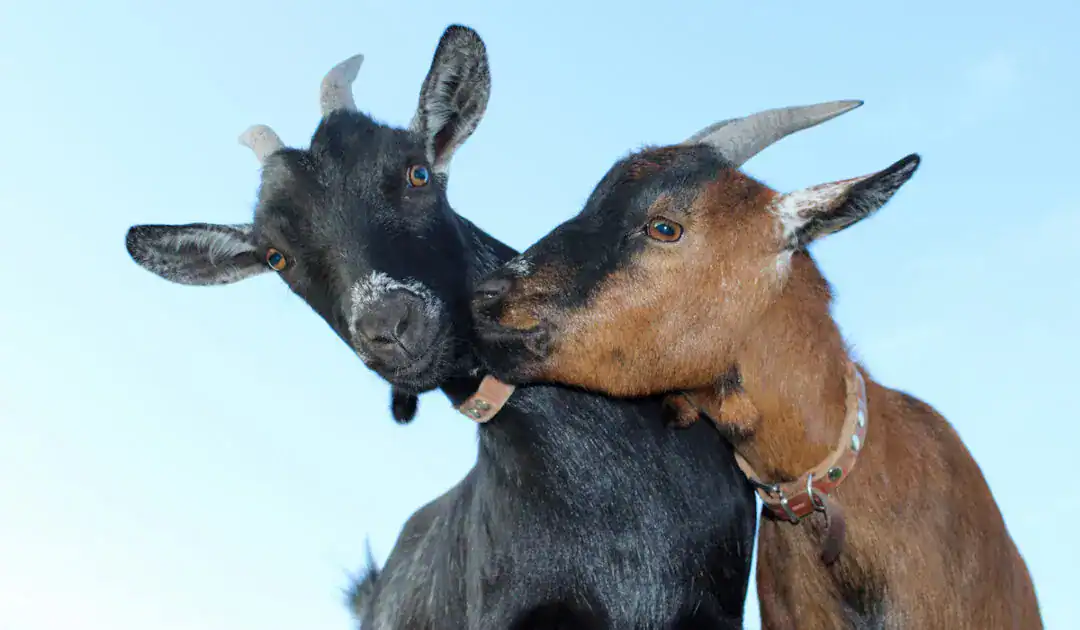
When I first brought goats home, I thought I had cracked the code to easy livestock ownership. They were smaller than horses, cheaper than cows, and way more entertaining than my Netflix subscription. Honestly, watching goats bounce around the yard feels like living with a gang of furry comedians wearing pajamas and chaos as perfume.
But then vacation season rolled around.
Suddenly, I found myself staring at my pasture asking one big question:
How long can goats actually be left alone?
At first glance, goats seem independent. Give them grass, water, and a fence, and surely they’ll survive for a few days… right?
Well, not exactly.
After years of raising goats — and after a few close calls involving broken fences, overturned water buckets, and one goat somehow standing on top of my truck — I learned that goats may look rugged, but they still need regular human care.
Here’s everything I now consider before leaving my goats alone for more than a day.
The Short Answer
Technically, healthy goats with proper shelter, food, and water can survive alone for a short period.
But thriving and surviving sit on opposite sides of the barn.
In my experience, goats should ideally get checked on at least once daily. If conditions are perfect, some owners stretch it to every other day, but leaving goats completely unattended for a week is asking for trouble to trot right through the gate.
And trust me — trouble in goat form usually arrives wearing horns.
Why Goats Aren’t Truly “Low Maintenance”
People love calling goats low-maintenance animals. Compared to some livestock, sure, that’s partly true.
But goats carry a strange mix of intelligence, stubbornness, curiosity, and emotional neediness. They’re basically toddlers with hooves.
One minute they’re peacefully chewing hay. The next minute they’re attempting a prison break because a leaf moved suspiciously in the wind.
Here are the biggest things I always think about before leaving town.
1. Goats Need More Than Just Grass
A lot of new goat owners assume goats can simply graze while you’re away.
That idea falls apart quickly.
Goats browse more than they graze. They love shrubs, bark, flowers, weeds, and tree leaves. Unfortunately, they also enjoy sampling things they absolutely should not eat.
My goats once chewed halfway through a garden hose like they were taste-testing spaghetti.
A Goat’s Diet Needs Balance
Goats need:
- Hay
- Minerals
- Fresh water
- Supplemental feed
- Salt licks
- Safe browsing plants
And here’s the kicker: goats have zero self-control.
Leave out five days of grain, and many goats will inhale it in one sitting like teenagers attacking a pizza buffet.
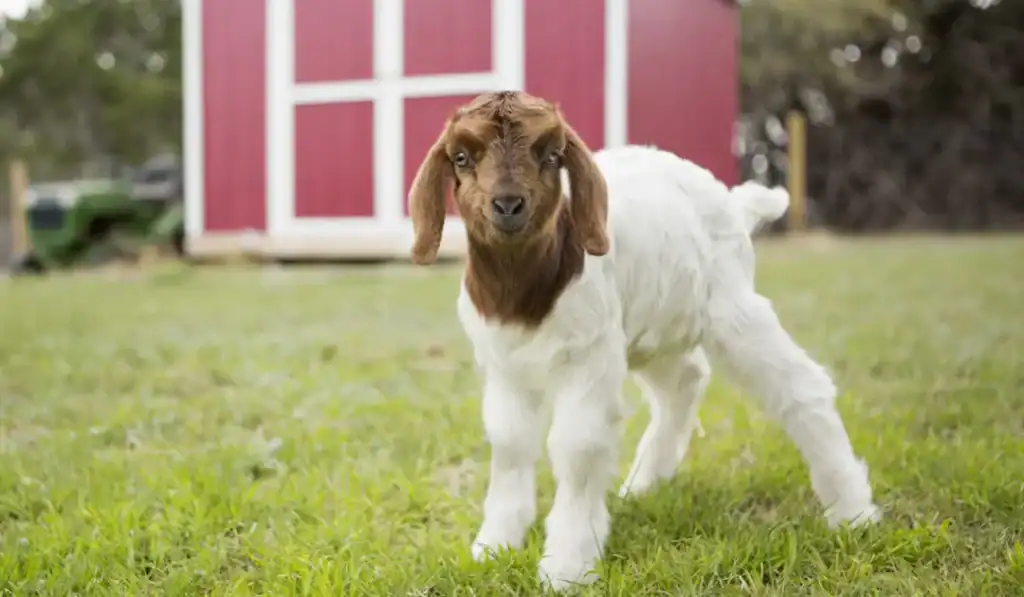
Basic Goat Feeding Checklist
| Essential Need | Why It Matters |
| Fresh hay | Keeps digestion healthy |
| Clean water | Prevents dehydration and illness |
| Minerals | Supports immune health |
| Salt block | Helps balance nutrients |
| Controlled grain | Prevents overeating |
Water creates another problem. Buckets tip over. Troughs grow bacteria. Pipes freeze. Automatic waterers fail.
Goats may act tough, but dehydration can spiral fast.
Check out: My Goat Can’t Stand but Eats and Drinks Normally: What to Do?
2. Goats Are Escape Artists in Fur Coats
If there were an Olympic event for escaping fenced areas, goats would take gold, silver, and bronze.
I used to think my fencing was solid until I watched one of my goats squeeze through an opening that looked physically impossible.
Goats climb.
Goats jump.
Goats crawl.
Goats lean on fences like drunk uncles at a barbecue.
And when boredom hits? The great escape begins.
Common Goat Escape Routes
- Loose gates
- Weak fencing
- Gaps under panels
- Broken boards
- Climbable objects near fences
Once goats escape, the real circus starts.
They’ll wander into gardens, roads, neighboring yards, or places that make your stomach drop when you discover them.
That’s why regular check-ins matter so much.
3. Bored Goats Become Tiny Wrecking Balls
A bored goat doesn’t simply sit quietly and wait for you to come home.
No. A bored goat chooses violence.
Sometimes literal violence against your property.
I’ve seen goats:
- Rip apart fence boards
- Chew extension cords
- Climb vehicles
- Destroy feed bins
- Use walls as scratching posts
Springtime gets especially wild because goats shed their winter coats and scratch against anything sturdy enough to survive the abuse.
Sometimes the “sturdy” object loses that battle.
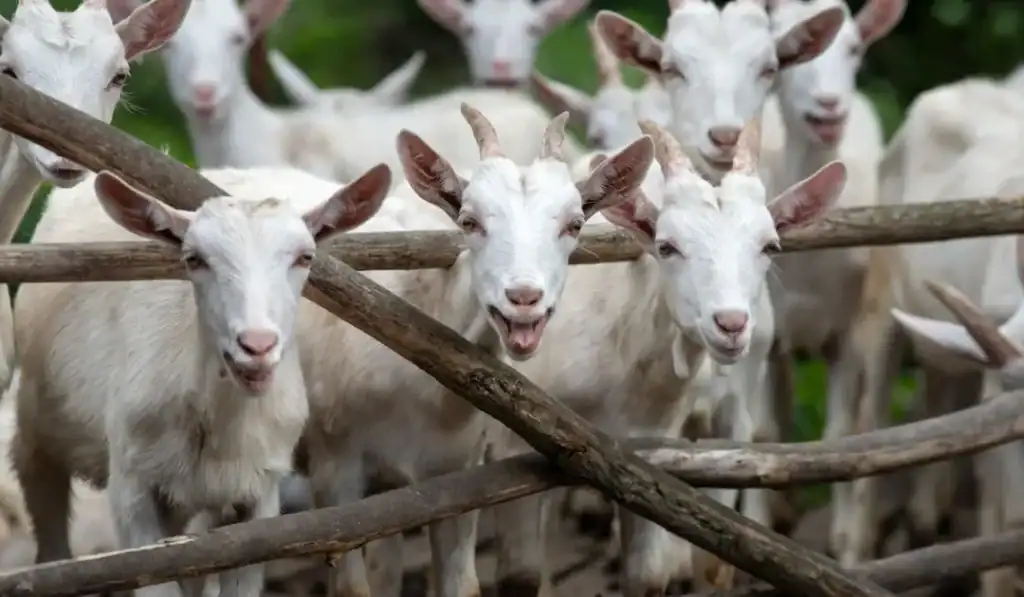
4. Goats Get Lonely Faster Than You’d Think
This surprised me the most.
Goats form routines and social bonds incredibly quickly. They notice when things change.
When I leave for even a couple of days, my goats act differently. Some become louder. Others pace the fence line. A few stop eating normally.
Goats are herd animals. They thrive on interaction.
And loneliness in goats doesn’t just look sad — it can become destructive.
Signs of Stress in Goats
| Behavior | Possible Cause |
| Excessive bleating | Anxiety or loneliness |
| Aggression | Stress or frustration |
| Reduced appetite | Emotional distress |
| Fence chewing | Boredom |
| Pacing | Lack of stimulation |
People often think emotional health only matters for dogs or cats, but goats carry surprisingly complex social behaviors.
A lonely goat is basically a ticking time bomb wrapped in fluff.
5. Milking Changes Everything
If you own dairy goats, your vacation plans become much more complicated.
A milking doe cannot simply “wait it out.”
Skipping milking sessions causes:
- Painful udder pressure
- Mastitis risk
- Reduced milk production
- Serious discomfort
When my dairy doe was still producing heavily, I had to arrange reliable daily care anytime I traveled.
If kids still nurse naturally, you gain a little flexibility. But bottle-raised babies change the equation completely.
Milking schedules rule your calendar like an unforgiving boss.
Read on: Do Goat Horns Grow Back if Broken or After Disbudding?
6. Weather Can Flip Everything Upside Down
Mother Nature loves bad timing.
You leave for vacation, and suddenly:
- A storm rolls in
- Temperatures plummet
- Wind damages fencing
- Shelter leaks
- Water freezes
Goats hate getting wet. Seriously hate it.
A soaked goat acts like the world personally betrayed them.
And honestly? Wet conditions can create real health problems, especially during cold weather.
Goat Shelter Must Handle:
- Rain
- Wind
- Extreme heat
- Snow
- Mud buildup
- Drafts
If shelter fails while nobody checks on them, goats can end up miserable fast.
7. Goat Curiosity Has No Off Switch
People joke that goats eat tin cans.
Not true.
But goats absolutely investigate everything with their mouths.
That curiosity creates endless hazards.
I once caught a goat trying to chew the latch off its own gate like it was solving a puzzle.
Another got its head stuck in fencing because apparently the grass on the other side looked more exciting.
Dangerous Things Curious Goats Mess With
- Electrical wires
- Fencing
- Latches
- Toxic plants
- Plastic
- Ropes
Without supervision, small problems can become emergencies surprisingly quickly.

8. Illness and Injuries Never Schedule Conveniently
This one always sits in the back of my mind whenever I travel.
Animals rarely get sick when you’re standing nearby with perfect timing.
Instead, problems seem to arrive at the worst possible moment.
Goats can:
- Injure legs
- Develop bloat
- Eat toxic plants
- Catch infections
- Get stuck somewhere dangerous
And because goats hide weakness instinctively, small symptoms can snowball before anyone notices.
That’s why daily observation matters more than many new owners realize.
Sometimes spotting one subtle change early makes all the difference.
9. Your Neighbors Will Notice
Even if your goats survive being alone, your neighbors might lose their minds.
Goats are noisy creatures.
Some sound like squeaky toys.
Others scream like tiny humans trapped in existential crises.
And if goats feel hungry, lonely, stressed, or bored, the volume knob turns all the way up.
I once returned from a weekend trip to discover my goats had apparently hosted an all-night yelling competition.
My neighbor looked like he aged five years.
If you live in a suburban or semi-rural area, this matters more than you think.
My Personal Vacation Checklist for Goats
Now, anytime I leave town, I follow a strict prep routine.
Here’s what I always handle beforehand:
Before Leaving
Food & Water
- Fill multiple water containers
- Prepare extra hay
- Portion daily feed
- Check mineral blocks
Safety
- Inspect fencing carefully
- Test all gates and latches
- Remove dangerous objects
- Double-check shelter stability
Emergency Prep
- Leave vet contact information
- Provide feeding instructions
- Share goat names and photos
- Keep backup ropes and collars nearby
Should You Hire a Goat Sitter?
Honestly? If you’ll be gone longer than 24 hours, I strongly recommend it.
Even a quick daily check provides huge peace of mind.
A goat sitter doesn’t necessarily need expert-level farming experience either. Reliable, observant people often do great with simple instructions.
What I Tell My Goat Sitter to Watch For
| Problem | Warning Sign |
| Dehydration | Empty water buckets |
| Escape risk | Loose fencing |
| Illness | Lethargy or not eating |
| Stress | Constant yelling |
| Injury | Limping or isolation |
And nowadays, affordable cameras help too.
A couple of well-placed barn cameras let me check in remotely without constantly worrying during trips.
Worth every penny.
So… How Long Can Goats Really Be Left Alone?
After raising goats myself, here’s my honest answer:
Goats can physically survive alone for short periods under ideal conditions, but they should not stay unattended for long stretches.
They need:
- Daily observation
- Fresh water
- Safe shelter
- Mental stimulation
- Proper feeding
- Human oversight
Goats may look rugged and independent, but underneath all that swagger sits an animal that depends heavily on routine and care.
And frankly, goats have a supernatural talent for creating chaos the second nobody watches them.
That’s part of their charm.
So if you’re planning a vacation, arrange proper care, prepare thoroughly, and then go enjoy yourself guilt-free.
Your goats — your fences — and probably your neighbors will thank you for it.