How I Saved My Weak Gardenia Tree: Simple Steps That Actually Worked

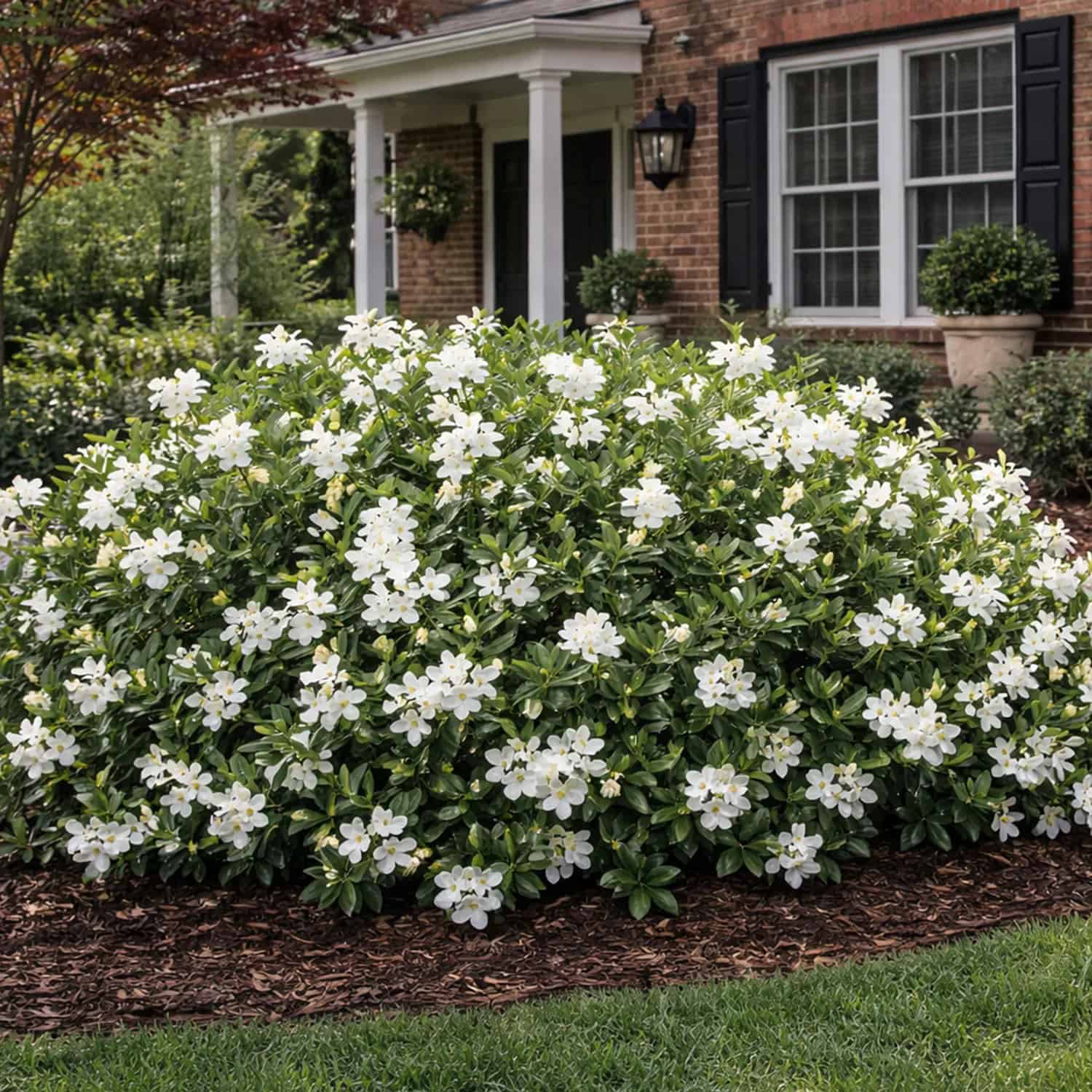
A while back, my gardenia tree looked like it had given up on me. The leaves turned yellow, the buds dropped before blooming, and that sweet fragrance I loved completely disappeared. I remember standing there, hands on my hips, thinking I had somehow ruined it. But instead of replacing it, I decided to figure out what went wrong.
I started paying attention—really paying attention—to the soil, the watering, and how the plant reacted day by day. It wasn’t an overnight fix, but little by little, things started to change. New leaves came in stronger, and the plant slowly found its rhythm again. If your gardenia is looking weak or struggling, I get it. I’ve been there. The good news is, you don’t need fancy tricks to bring it back—just a few simple steps that actually work.
If you’ve ever encountered a gardenia tree that’s lost its vigor, you’re not alone. These fragrant beauties can sometimes falter, leaving gardeners scratching their heads and wondering what went wrong. But fret not! With a bit of TLC and some know-how, you can nurse your gardenia back to health and watch it thrive once more.
Understanding the Gardenia’s Struggles
Before diving into the remedy, it’s essential to understand what might be ailing your gardenia. Think of your gardenia tree as a delicate symphony—if one instrument goes off-key, the whole performance suffers. Common issues include:
- Nutrient Deficiency: Just like us, gardenias need a balanced diet. A lack of essential nutrients can lead to poor growth and leaf drop.
- Improper Watering: Too much or too little water can spell disaster. Imagine trying to grow a tree in a desert or a swamp—neither is ideal.
- Pests and Diseases: Tiny invaders like aphids or diseases such as powdery mildew can sap a gardenia’s strength.
- Environmental Stress: Harsh weather conditions or poor soil quality can be like a constant thorn in your gardenia’s side.
Let’s explore how to tackle these issues head-on and get your gardenia singing a happier tune.
Step 1: Assess and Adjust Watering Practices
Watering a gardenia can be a bit of a balancing act. Overwatering is like a drowning victim, while underwatering is akin to a parched soul. Here’s how to strike the right balance:
- Check Soil Moisture: Stick your finger about an inch into the soil. If it feels dry, it’s time for a drink. If it’s soggy, hold off on watering and let the soil dry out a bit.
- Watering Schedule: Gardenias thrive with consistent moisture. Aim to water them deeply once a week. If you’re in a particularly hot or dry climate, you might need to water more frequently.
Table: Watering Guidelines for Gardenias
| Season | Watering Frequency | Soil Moisture Level |
| Spring/Summer | Weekly or bi-weekly | Moist but not soggy |
| Fall/Winter | Every 2-3 weeks | Slightly dry |
| Related: Miniature Gardenia (Gardenia Jasminoides ‘Radicans’) Care and Growing Guide |
Step 2: Provide Essential Nutrients for Gardenia Tree
Gardenias are finicky about their food. Their nutrient needs are specific, and feeding them the right mix can make all the difference:
- Choose the Right Fertilizer: Look for a balanced, slow-release fertilizer with a ratio of 8-4-4 or 6-6-6. This ensures your gardenia gets a steady supply of essential nutrients.
- Feeding Schedule: Feed your gardenia in early spring and again in mid-summer. Avoid fertilizing in late fall or winter, as the plant is in its dormant phase.
Table: Fertilizer Application for Gardenias
| Season | Type of Fertilizer | Application Frequency |
| Spring | Balanced 8-4-4 or 6-6-6 | Every 6-8 weeks |
| Summer | Same as Spring | Every 6-8 weeks |
| Fall/Winter | None | N/A |
Step 3: Address Gardenia Tree Pests and Diseases
Gardenias are susceptible to a range of pests and diseases. It’s like having a gatecrasher at a party—no one wants that. Here’s how to deal with common culprits:
- Inspect Regularly: Check the leaves and stems for any unusual spots or pests. Aphids, spider mites, and whiteflies are frequent offenders.
- Treat with Care: Use insecticidal soap or neem oil for pest control. For fungal diseases like powdery mildew, apply a fungicide according to the label directions.
List: Common Gardenia Pests and Their Treatments
- Aphids: Tiny insects that suck plant sap. Use insecticidal soap or a strong spray of water to dislodge them.
- Spider Mites: These tiny pests cause stippling on leaves. Increase humidity around the plant and use miticides if necessary.
- Powdery Mildew: White powdery spots on leaves. Apply a fungicide and ensure proper air circulation around the plant.
Step 4: Create a Favorable Environment for Gardenia Tree Growth
Gardenias are picky about their surroundings, so creating the right environment is key:
- Sunlight: Gardenias prefer bright, indirect light. Too much direct sun can scorch their leaves, while too little can stunt their growth. A spot with morning sun and afternoon shade works best.
- Temperature: Maintain temperatures between 65-75°F (18-24°C). Avoid exposing your gardenia to temperatures below 50°F (10°C) or sudden temperature fluctuations.
Table: Ideal Growing Conditions for Gardenias
| Factor | Ideal Condition |
| Light | Bright, indirect |
| Temperature | 65-75°F (18-24°C) |
| Humidity | 40-60% humidity |
| Soil pH | 5.0-6.0 (acidic) |
Step 5: Prune and Shape Gardenia Tree Regularly
Pruning is like giving your gardenia a fresh haircut—it helps it look its best. Here’s how to do it effectively:
- Remove Dead or Diseased Wood: Cut back any dead or diseased branches to promote healthy growth.
- Shape the Tree: Lightly trim the tree to maintain its shape and remove any overly dense areas to improve air circulation.
List: Pruning Tips for Gardenias
- Timing: Prune in late winter or early spring before new growth begins.
- Tools: Use sharp, clean pruning shears to make clean cuts.
- Technique: Cut just above a node or branching point to encourage new growth.
| Continue on: Kleim’s Hardy Gardenia (Gardenia Jasminoides) Care and Growing Guide |

Step 6: Mulch and Maintain Your Gardenia Tree
Mulching is like tucking your gardenia in for the night—it helps retain moisture and keeps the roots cozy:
- Apply Mulch: Use organic mulch like wood chips or pine bark. Apply a 2-3 inch layer around the base of the tree, keeping it away from the trunk.
- Monitor Soil: Ensure the mulch doesn’t create overly wet conditions. It should help maintain even soil moisture.
Table: Mulching Guidelines for Gardenias
| Mulch Type | Application Depth | Frequency of Refreshing |
| Wood Chips | 2-3 inches | Every 6-12 months |
| Pine Bark | 2-3 inches | Every 6-12 months |
Final Thoughts
Reviving a weak gardenia tree is like nursing a friend back to health—you need patience, attention, and a bit of know-how. By addressing watering practices, providing the right nutrients, managing pests, creating the ideal environment, and pruning properly, you can help your gardenia regain its strength and beauty.
So roll up your sleeves, get your hands a little dirty, and give your gardenia the care it needs. With these steps, you’ll soon be enjoying its lush, fragrant blooms once again. Happy gardening!