Reviving a Struggling Coconut Tree: Key Steps to Recovery

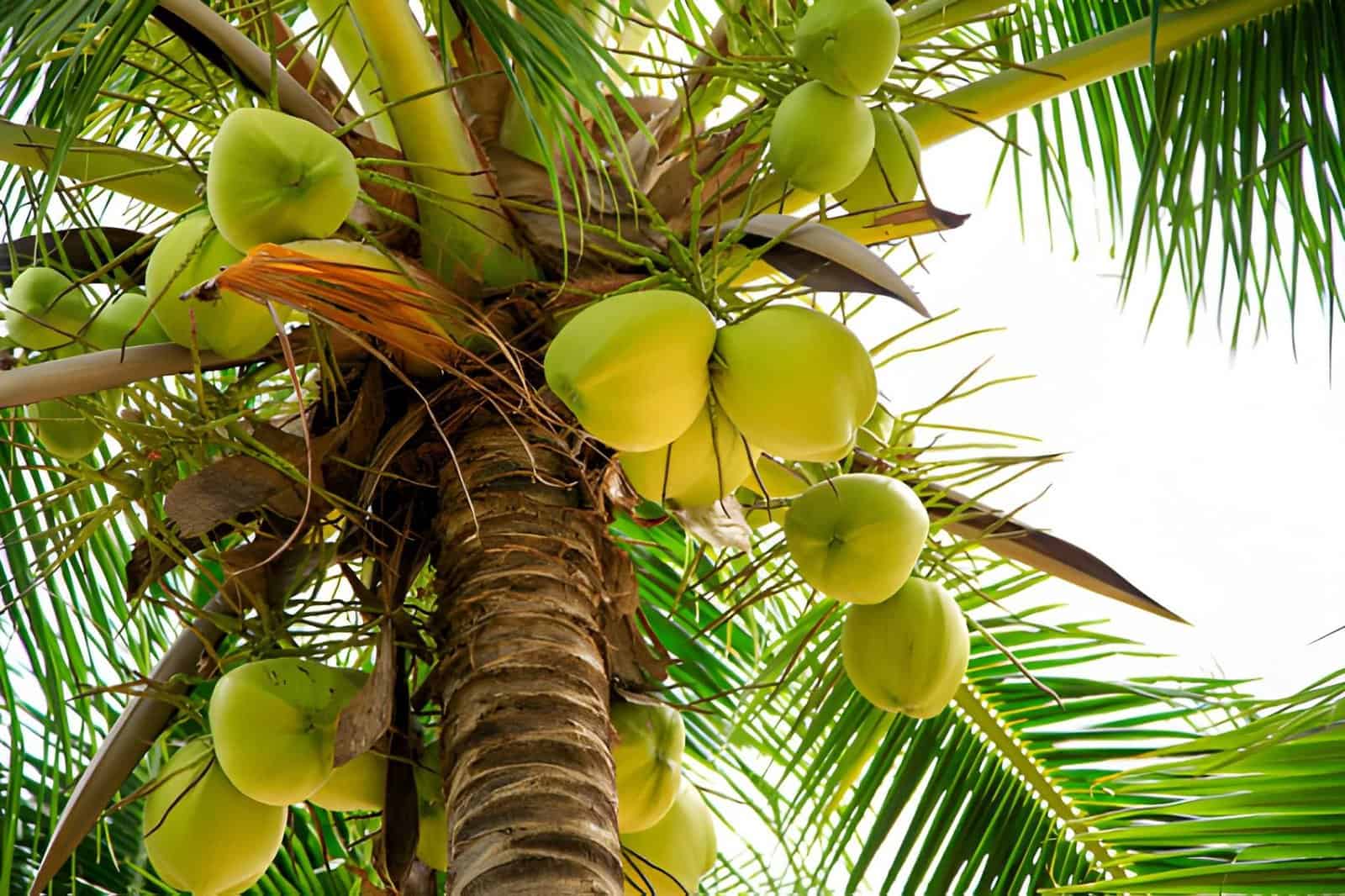
A few months ago, my coconut tree stopped looking like the tropical dream I had imagined. The fronds drooped, the green faded, and the whole tree looked tired, like it had been fighting a losing battle. I stood there staring at it, unsure if I had done something wrong or if it was just bad luck. But instead of giving up, I decided to step in and figure things out. I started paying closer attention—checking the soil, watching how it responded to water, and learning what it actually needed. Slowly, things began to change.
New growth appeared, and that lifeless look started to fade. If your coconut tree is going through a rough patch, you’re not alone. I’ve been there, and I know how frustrating it can feel. The good news is, with the right steps, you can help it recover.
There’s something undeniably tropical about a coconut tree. With its towering trunk and swaying fronds, it conjures up images of sandy beaches and sun-drenched vacations. But what if your coconut tree, which once stood tall and proud, starts showing signs of struggle?
Don’t worry; even the most sun-soaked palm can face challenges. Think of it like giving a favorite vacation spot a makeover—sometimes, it just needs a little TLC to sparkle again.
Here’s a step-by-step guide to breathing new life into your ailing coconut tree.
Step 1: Diagnose the Problem with your Coconut Tree
Before you rush into action, it’s crucial to figure out what’s causing your coconut tree’s distress. Diagnosing the problem is like getting a check-up before deciding on a treatment plan.
Common Issues with Coconut Trees:
- Watering Problems: Too much or too little water can cause serious issues.
- Nutrient Deficiencies: A lack of essential nutrients can stunt growth and cause discoloration.
- Pests and Diseases: Coconut trees are prone to pests like coconut mites and diseases such as lethal yellowing.
- Soil Conditions: Poor soil quality can affect root health and overall tree vitality.
- Environmental Stress: Extreme temperatures, strong winds, or nearby construction can stress the tree.
Examine your tree closely. Are the fronds turning yellow or brown? Is there any visible damage to the trunk or leaves? Pinpointing the symptoms will help you tailor your approach to suit your tree’s specific needs.
Step 2: Water Wisely
Watering a coconut tree is like nurturing a delicate tropical plant. Both overwatering and underwatering can lead to trouble.
Watering Tips:
- Consistent Moisture: Coconut trees need a steady supply of water, especially during the growing season. Aim to keep the soil consistently moist but not waterlogged.
- Deep Watering: Water deeply to encourage the roots to grow downwards. Shallow watering only wets the surface, leaving the roots parched.
- Check Soil Moisture: Use a soil moisture meter or your finger to gauge moisture levels. Water when the top few inches of soil feel dry.
| Watering Method | Benefits | Frequency |
| Shallow watering | Only moistens the surface | Not ideal for coconut trees |
| Deep watering | Encourages deep root growth | Once a week or as needed |
| Read on: How to Revive a Cherry Tree: Proven Tips for a Healthier Plant |
Step 3: Feed Coconut Tree with the Right Nutrients
Think of fertilizing your coconut tree as providing it with a well-balanced diet. Just like people need a mix of vitamins and minerals, coconut trees need specific nutrients to thrive.
Fertilizing Tips:
- Use a Balanced Fertilizer: Opt for a balanced, slow-release fertilizer with a ratio like 10-10-10. This provides essential nutrients in the right proportions.
- Apply Regularly: Fertilize every 2-3 months during the growing season (spring and summer). This ensures your tree gets a steady supply of nutrients.
- Avoid Over-Fertilizing: More isn’t always better. Stick to the recommended dosage to avoid nutrient imbalances or root damage.
| Fertilizer Type | Benefits | Application Timing |
| Balanced (10-10-10) | Provides essential nutrients | Every 2-3 months during growing season |
| High-potassium | Promotes fruit development | Use if the tree is not fruiting well |
Step 4: Prune Thoughtfully
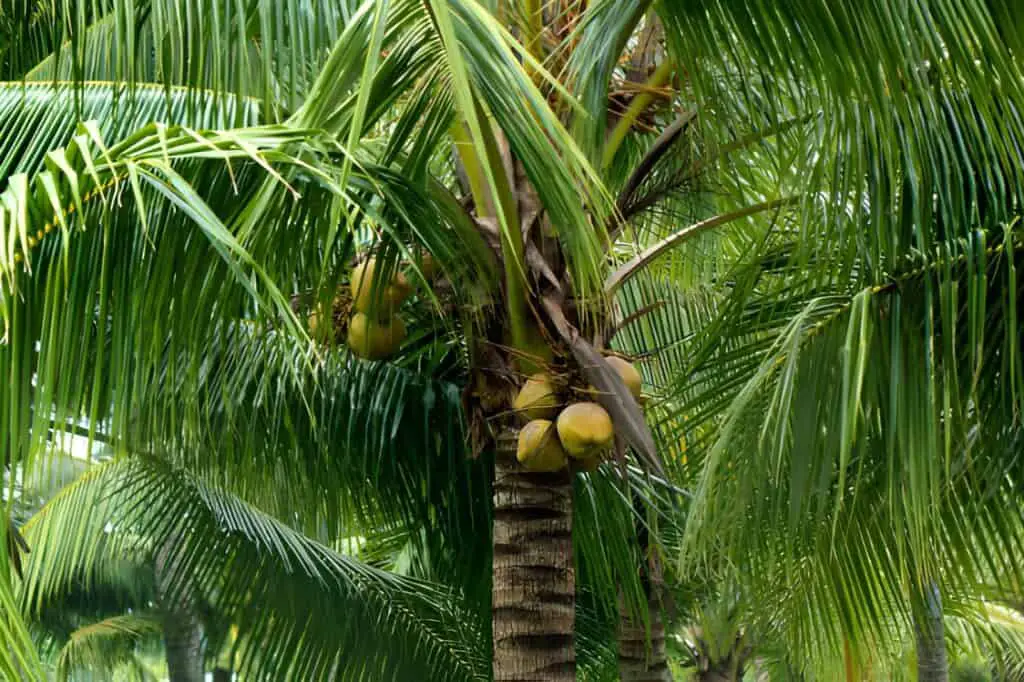
Pruning a coconut tree is like giving it a stylish trim—necessary for its health but needing a delicate touch. Proper pruning helps the tree focus its energy on healthy growth.
Pruning Tips:
- Remove Dead or Damaged Fronds: Cut away any fronds that are dead, yellowing, or damaged. This prevents disease spread and helps the tree channel energy into new growth.
- Avoid Over-Pruning: Coconut trees don’t require heavy pruning. Focus on removing only what’s necessary to maintain health and shape.
Step 5: Protect Against Coconut Tree’s Pests and Diseases
Pests and diseases can be like unwelcome guests at a tropical resort. Keeping an eye out and addressing issues promptly is essential.
Pest and Disease Management:
- Inspect Regularly: Check for signs of pests like coconut mites or diseases such as lethal yellowing. Look for unusual spots, holes, or fungal growth.
- Use Appropriate Treatments: For pests, consider using insecticidal soap or neem oil. For diseases, apply a suitable fungicide as directed.
- Promote Natural Predators: Encourage beneficial insects that prey on harmful pests. They can help keep the pest population in check.
| Issue | Signs | Treatment |
| Coconut Mites | Speckled leaves, webbing | Use insecticidal soap or neem oil |
| Lethal Yellowing | Yellowing of fronds, poor fruiting | Apply fungicide, remove affected parts |
Step 6: Improve Soil Quality
Good soil is like a solid foundation for your coconut tree. If the soil isn’t up to par, your tree will struggle.
Soil Improvement Tips:
- Test the Soil: Use a soil test kit to check pH levels and nutrient content. Coconut trees prefer slightly acidic to neutral soil (pH 6.0 to 7.0).
- Amend the Soil: If the soil is heavy clay or lacks nutrients, amend it with organic matter like compost to improve texture and fertility.
- Ensure Good Drainage: Coconut trees thrive in well-drained soil. If water tends to pool, improve drainage by adding sand or organic matter.
| Soil Condition | Signs | Improvement Method |
| Poor drainage | Water pools around the base | Amend soil with sand or compost |
| Nutrient deficiency | Poor growth, discolored fronds | Add compost or balanced fertilizer |
Step 7: Provide Adequate Protection for your Coconut Tree
Protecting your coconut tree from environmental stress is like shielding it from harsh weather. It ensures it remains strong and healthy.
Protection Tips:
- Shield from Harsh Winds: If you live in a windy area, consider using windbreaks to protect your tree from strong gusts.
- Provide Shelter from Extreme Heat: During scorching summer days, provide some shade to prevent leaf burn.
| Check out: How to Revive a Weak Hydrangea Tree: Key Steps for a Stronger Plant |

Step 8: Be Patient and Consistent
Reviving a struggling coconut tree is like nursing a long-lost friend back to health. It requires time, consistent care, and a lot of patience. Monitor your tree’s progress, continue with the care routine, and celebrate small victories along the way.
Conclusion: A Revitalized Coconut Tree
Bringing a struggling coconut tree back to life is a rewarding journey. With careful diagnosis, appropriate watering, thoughtful feeding, strategic pruning, pest and disease management, and soil improvement, you can help your tree regain its vigor and splendor.
So, if your coconut tree seems to be down for the count, don’t throw in the towel just yet. Follow these steps, give it the care it deserves, and watch as it transforms from a wilting shell into a lush, vibrant centerpiece of your garden. Here’s to reviving your coconut tree and enjoying its tropical charm once more!