How to Revive and Restore Your Crabapple Tree Step-by-Step

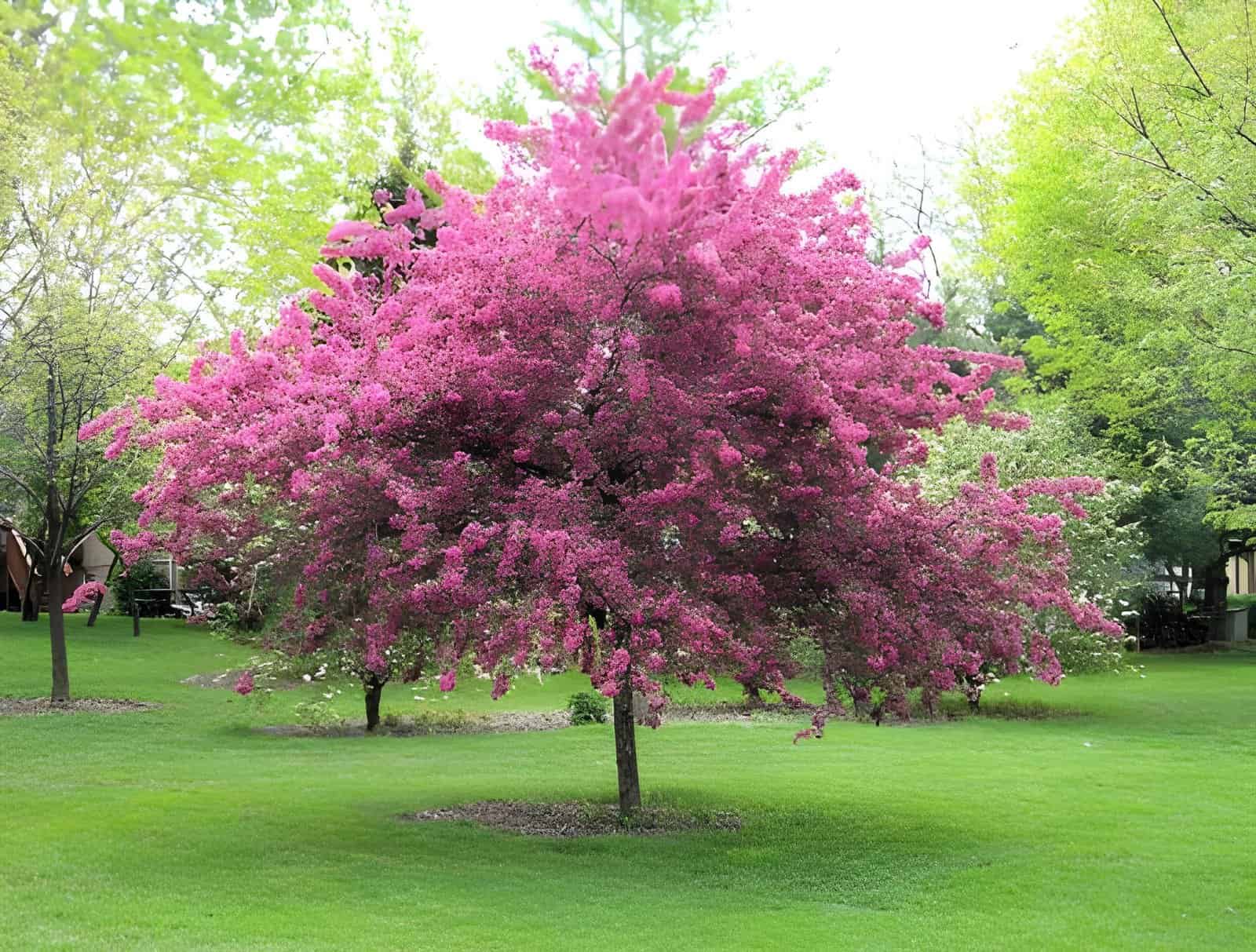
Crabapple trees are like the sparkling jewels of the garden, their bright blossoms and vibrant fruits adding a splash of color and charm. However, when your once-thriving crabapple begins to droop or show signs of distress, it can feel like the sparkle has dimmed. Don’t fret—reviving a struggling crabapple tree is entirely possible with the right approach. Think of it as a restoration project for a classic car; it takes a little elbow grease, some know-how, and a lot of patience.
Last spring, my crabapple tree looked like it had given up on life. The leaves were sparse, the branches brittle, and the blooms I once counted on never showed. I remember standing there, wondering if I should just cut it down and start over. But something told me to give it one more shot. Trees, like people, sometimes just need a little care and a fresh start.
So I rolled up my sleeves, grabbed my tools, and got to work. What followed was a step-by-step process of trial, patience, and small wins that slowly brought my tree back from the brink. If your crabapple tree looks tired or damaged, don’t lose hope just yet. I’ve been there, and I can show you exactly how I turned things around—and how you can, too.
Here’s a step-by-step guide to bringing your crabapple tree back to its former glory.
Step 1: Diagnose the Problem of your Crabapple Tree
Before you start applying treatments like a doctor writing a prescription, you need to diagnose the issue. Understanding what’s ailing your crabapple is the first step toward recovery.
Common Problems with Crabapple Trees:
- Watering Issues: Both overwatering and underwatering can stress your tree.
- Nutrient Deficiencies: Lack of essential nutrients can lead to poor growth and less vibrant blooms.
- Pests: Aphids, caterpillars, and other pests can damage crabapple leaves and fruit.
- Diseases: Fungal infections like apple scab or bacterial issues can affect the health of your tree.
- Environmental Stress: Factors such as extreme temperatures, pollution, or poor soil can contribute to a struggling tree.
Examine your crabapple carefully. Are the leaves turning brown or falling off prematurely? Are there visible pests or signs of disease? Pinpointing the symptoms will help you choose the right treatment.
Step 2: Water Wisely
Watering your crabapple tree is like giving it a refreshing drink. But just as you wouldn’t drown yourself with water, you shouldn’t overdo it with your tree.
Watering Tips:
- Deep, Infrequent Watering: Crabapples prefer deep watering. This encourages the roots to grow deeper and access water more efficiently.
- Check Soil Moisture: Use a soil moisture meter or simply stick your finger into the soil. If it’s dry a few inches down, it’s time to water.
- Avoid Waterlogging: Ensure your tree is in well-drained soil. Waterlogged soil can lead to root rot.
| Watering Method | Benefits | Frequency |
| Shallow watering | Only moistens the top layer | Not ideal for crabapples |
| Deep watering | Promotes deep root growth | Once a week or as needed |
Step 3: Feed your Crabapple Tree with the Right Nutrients
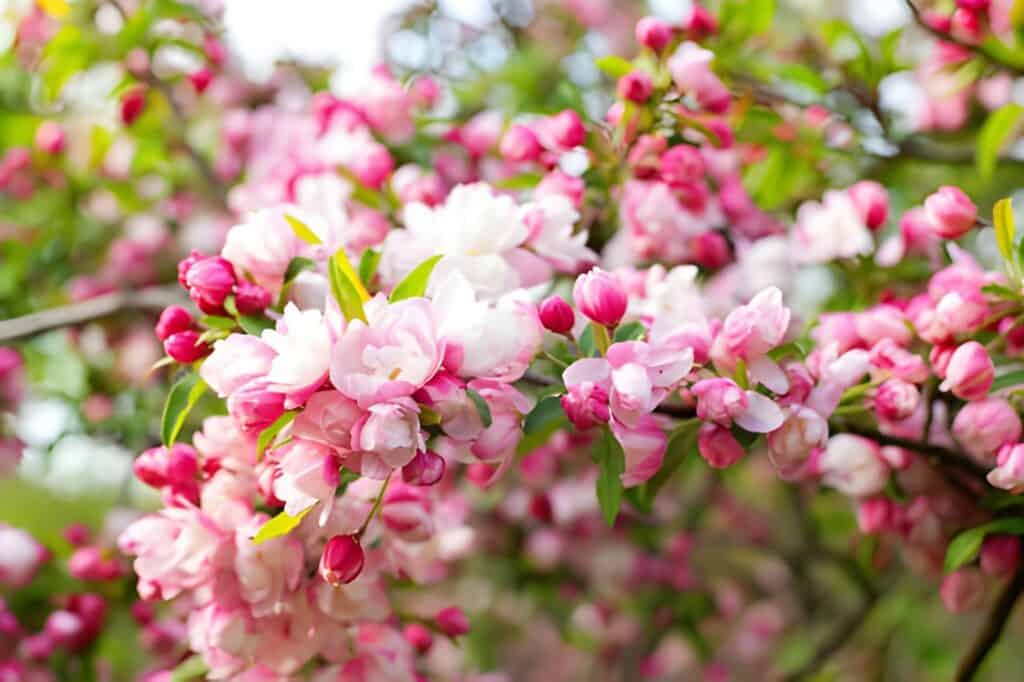
Think of fertilizing your crabapple tree as giving it a nutrient-packed meal. Just like us, trees need the right balance of nutrients to stay healthy.
Fertilizing Tips:
- Use a Balanced Fertilizer: Opt for a balanced, slow-release fertilizer like 10-10-10. This provides essential nutrients.
- Feed in Spring: Apply fertilizer in early spring, just as new growth begins. This gives your crabapple a boost as it starts its growing season.
- Avoid Over-Fertilizing: More isn’t always better. Follow the recommended dosage on the fertilizer package to avoid harming the roots.
| Fertilizer Type | Benefits | Application Timing |
| Balanced (10-10-10) | Provides essential nutrients | Early spring, as new growth begins |
| High-nitrogen | Promotes foliage growth | Use if foliage is sparse |
Step 4: Prune your Crabapple Tree Strategically
Pruning is like giving your crabapple tree a makeover. Proper pruning helps shape the tree and promotes healthier growth.
Pruning Tips:
- Remove Dead or Diseased Wood: Cut away any branches that are dead, diseased, or damaged. This prevents further spread of disease and allows the tree to focus on healthy growth.
- Thin Out the Canopy: If the canopy is too dense, remove some branches to improve air circulation and light penetration.
- Avoid Heavy Pruning: Crabapples don’t respond well to heavy pruning. Stick to removing just what’s necessary to maintain health and shape.
Step 5: Protect Against Crabapple Tree’s Pests and Diseases
Pests and diseases can be like uninvited guests at a party—disruptive and damaging. Keeping an eye out for them and addressing issues promptly is crucial.
Pest and Disease Management:
- Inspect Regularly: Check your crabapple for signs of pests such as aphids or diseases like apple scab. Look for unusual spots, holes, or sticky residues.
- Use Natural Remedies: For minor infestations, use insecticidal soap or neem oil. They are effective and less harsh than chemical treatments.
- Apply Appropriate Treatments: For diseases, apply a suitable fungicide as directed. For pests, consider targeted pesticides if necessary.
| Issue | Signs | Treatment |
| Aphids or Caterpillars | Sticky residues, chewed leaves | Use insecticidal soap or neem oil |
| Apple Scab | Black or brown spots on leaves | Apply fungicide as directed |
Step 6: Improve Soil Quality for your Crabapple Tree
Good soil is like a strong foundation for your crabapple tree. If the soil is lacking, your tree will struggle to thrive.
Soil Improvement Tips:
- Test the Soil: Use a soil test kit to check pH levels and nutrient content. Crabapples prefer slightly acidic to neutral soil (pH 6.0 to 7.0).
- Amend the Soil: If the soil is clay-heavy or compacted, amend it with organic matter like compost to improve texture and drainage.
- Ensure Good Drainage: If water tends to pool around the base, improve drainage by adding sand or organic matter to the soil.
| Soil Condition | Signs | Improvement Method |
| Poor drainage | Water pools around the base | Amend soil with sand or compost |
| Nutrient deficiency | Poor growth, discolored leaves | Add compost or balanced fertilizer |
Step 7: Be Patient and Consistent
Reviving a crabapple tree is like coaching a team back to victory. It takes time, effort, and consistent care. Keep an eye on your tree, continue to provide the necessary care, and be patient as it bounces back.
| Read on: Topsoil Loss and Replacement: How to Restore Topsoil Easily? |
Conclusion: A Rejuvenated Crabapple Tree
Reviving a struggling crabapple tree is like restoring a classic car—it requires attention to detail, a bit of know-how, and a lot of patience. By diagnosing the problem, adjusting watering and feeding practices, pruning carefully, and protecting against pests and diseases, you can help your crabapple tree flourish once again.
So, if your crabapple tree is looking a bit worse for wear, don’t give up hope. Follow these steps, give it the care it needs, and watch as it transforms from a wilted shadow into a vibrant centerpiece of your garden. Here’s to nurturing your crabapple tree back to health and enjoying its beauty for many seasons to come!