Yellow and Purple Starthistle Taking Over? Here’s How to Eliminate Them for Good!

I used to think thistles were just prickly nuisances—annoying, sure, but manageable.
Then yellow and purple starthistle marched into my property like they had legal rights to the land.
That was the moment I realized I wasn’t dealing with ordinary weeds. I was dealing with botanical squatters armed with spikes, stubborn roots, and enough seeds to start their own empire.
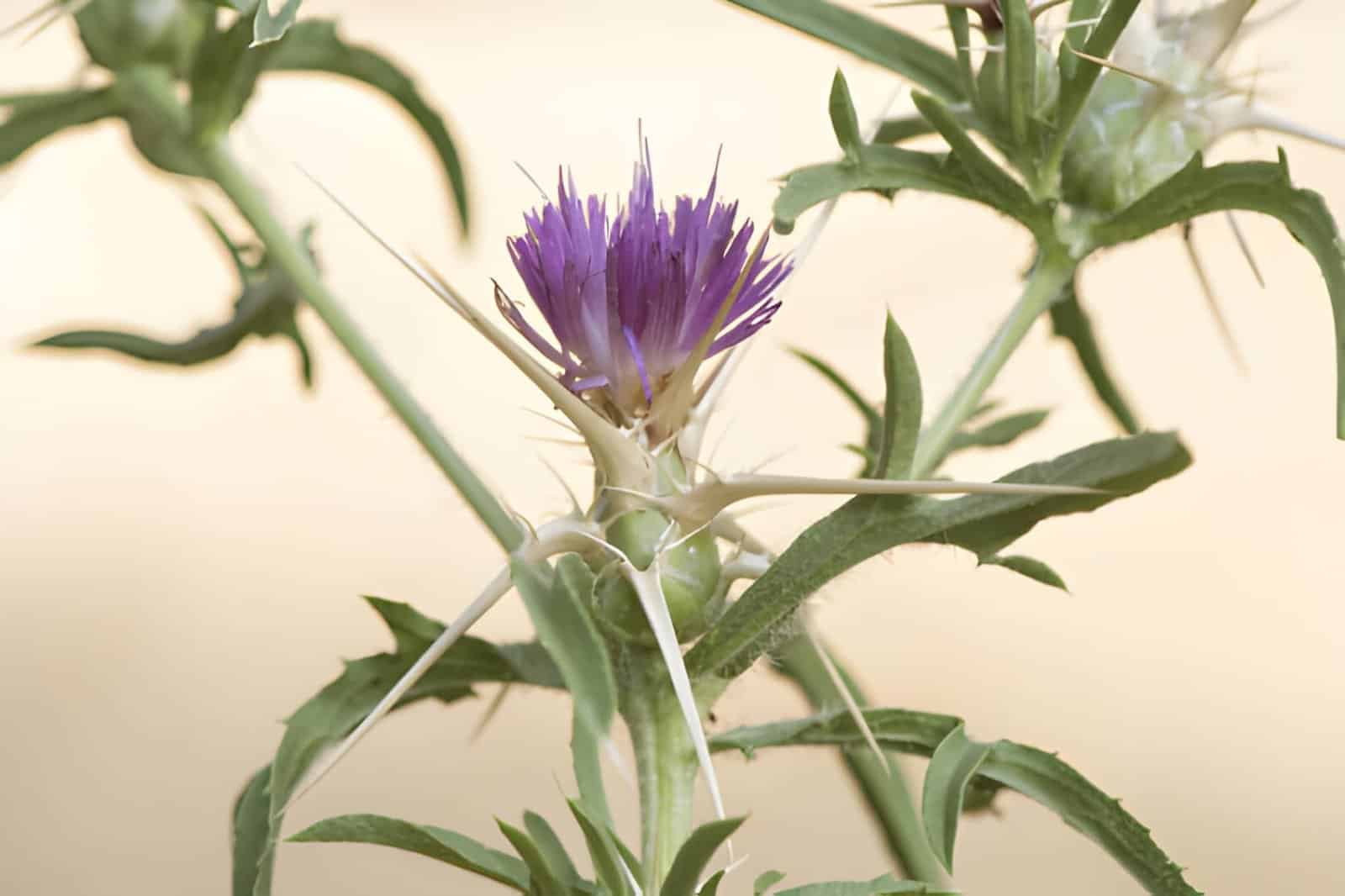
If you’ve ever brushed past a mature starthistle patch, you know exactly what I mean. It feels like walking through a medieval weapon display.
And somehow, despite all that aggression, they still spread like confetti in the wind.
I’ve spent seasons battling these thorny troublemakers, and I can tell you this: you won’t win by casually pulling a few plants and hoping for the best. Starthistle requires timing, persistence, and a strategy sharper than its spines.
So if your yard, pasture, or field looks like it’s auditioning for a desert war film, here’s exactly how I tackled yellow and purple starthistle—and how you can eliminate them for good.
Why Starthistle Becomes Such a Massive Problem
At first glance, yellow and purple starthistle may look like just another flowering weed.
That assumption is where trouble begins.
These invasive plants compete aggressively for water, nutrients, and sunlight. They crowd out native vegetation, reduce pasture value, and create hazards for pets, livestock, and anyone walking nearby.
And their seed production?
Absolutely outrageous.
One mature plant can produce thousands of seeds, and those seeds stay viable in the soil for years.
That means one neglected season can become a multi-year headache.
Quick Comparison: Yellow vs. Purple Starthistle
| Type | Flower Color | Growth Habit | Main Threat |
|—|—|—|
| Yellow Starthistle | Bright yellow | Tall, branching | Massive seed production |
| Purple Starthistle | Purple/lavender | Dense, upright | Aggressive spread in dry areas |
Both demand action.
Neither responds well to wishful thinking.
My First Mistake: Waiting Too Long
I made the classic error.
I saw a few plants, figured I’d handle them later, and moved on.
Bad move.
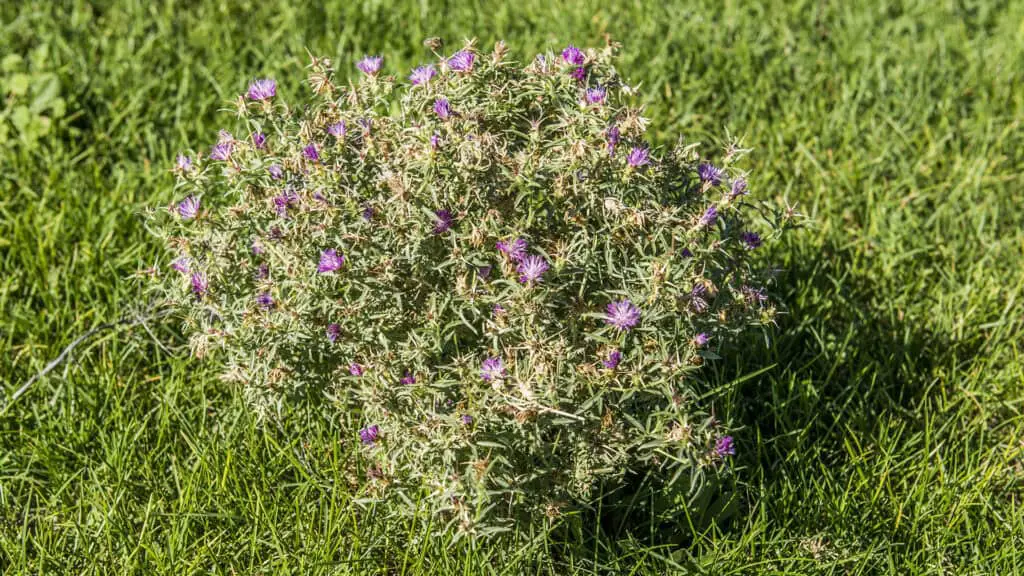
By the time I returned, those scattered weeds had turned into a thorny fortress.
That taught me the first rule of starthistle control:
Act early or pay later.
These plants start as manageable rosettes close to the ground.
At that stage, they’re vulnerable.
Once they bolt upward and flower, the game changes.
So timing became my secret weapon.
Step 1: Target the Rosette Stage
If you want the upper hand, attack before flowering begins.
During the rosette stage, starthistle forms low-growing leaves before sending up stems.
That’s when I focused most of my energy.
Why?
Because eliminating plants early prevents seed production and reduces stress later in the season.
What I Did During Rosette Season
- Walked the property weekly
- Marked infestation zones
- Removed young plants immediately
- Applied treatments before stem elongation
This stage gave me leverage.
Miss it, and you’re chasing a moving train.
Step 2: Pull or Dig—But Do It Right
Hand removal works surprisingly well for smaller infestations.
But you need to remove the taproot.
Snap the stem and leave the root behind? It laughs at you and returns.
I used a digging tool to loosen soil, then extracted the plant with as much root as possible.
For larger patches, I recruited help because wrestling thistles alone feels like signing up for punishment.
Best Practices for Manual Removal
| Method | Best For | Key Tip |
| Hand-pulling | Small infestations | Wear thick gloves |
| Digging | Established plants | Remove full taproot |
| Hoeing | Seedlings | Cut below crown |
And always bag flowering plants.
Never leave them on-site.
Those seeds don’t care if the plant is dying.
Step 3: Mow at the Right Time
Mowing can help—but timing matters.
Too early, and plants regrow.
Too late, and you spread seeds.
I learned to mow during the early flowering stage—before seed maturation.
That weakened the plants while interrupting reproduction.
Still, mowing alone won’t solve the problem.
It works best as part of a broader plan.
Mowing Strategy Checklist
- Use sharp blades
- Mow before seed heads mature
- Repeat if regrowth occurs
- Clean equipment afterward
Think of mowing as crowd control, not final elimination.
| Read on: Say Goodbye to Weeds: How To Sterilize Soil To Kill Weeds |
Step 4: Use Herbicide Strategically
For large-scale infestations, I brought in selective herbicides.
I targeted plants during the rosette to bolting stages for maximum effectiveness.
That’s when they actively transport nutrients—and herbicide—throughout the system.
I always followed label instructions and avoided spraying on windy days.
Precision mattered.
Because careless spraying can damage desirable plants faster than weeds.
Herbicide Timing Guide
| Growth Stage | Effectiveness |
| Rosette | Excellent |
| Bolting | Good |
| Flowering | Moderate |
| Seeding | Poor |
Good timing turns herbicide into a scalpel.
Bad timing turns it into expensive disappointment.

Step 5: Restore the Land Immediately
This step changed everything.
After removing starthistle, I reseeded disturbed areas with competitive grasses and native plants.
Because empty soil invites reinvasion.
Nature hates a vacuum.
If you leave bare ground exposed, weeds rush in like bargain hunters at sunrise.
My Restoration Approach
- Reseed with adapted species
- Improve soil health
- Mulch vulnerable areas
- Monitor regrowth monthly
Restoration isn’t optional.
It’s your long-term insurance policy.
What I Learned About Preventing Future Infestations
Once I gained control, prevention became the mission.
And prevention starts with awareness.
My Ongoing Defense Plan
- Inspect fields and borders regularly
- Remove isolated plants immediately
- Maintain dense vegetation cover
- Avoid overgrazing in pasture areas
- Clean equipment before moving sites
Small habits stopped big problems.
And that consistency paid dividends.
Common Mistakes That Make Things Worse
I’ve seen these errors over and over.
And yes—I made some myself.
Avoid These Pitfalls
- Waiting until flowering season
- Leaving pulled plants on-site
- Disturbing soil without reseeding
- Relying on one control method only
Weed control works best when you stack strategies.
Single solutions rarely hold the line.
Why Persistence Matters More Than Perfection
Here’s the truth nobody tells you:
You probably won’t wipe out starthistle in one season. And that’s okay. What matters is reducing the seed bank, shrinking infestations, and staying consistent.
Every plant removed today saves you hundreds tomorrow. That’s compound interest in reverse. The work adds up.
So does the relief.
| Check out: Do I Need To Remove Dead Weeds Before Seeding? |
Final Thoughts: You Can Reclaim Your Ground
Yellow and purple starthistle can make any landscape feel hostile.
Sharp spines, endless seeds, aggressive spread—it’s enough to test anyone’s patience.
But these weeds aren’t unbeatable.
I learned that the hard way, one scratched arm and sore back at a time.
The key lies in early action, layered strategies, and long-term restoration.
Pull smart. Mow wisely. Spray carefully. Reseed immediately.
And above all, don’t let them dictate the terms.
Your land deserves better than a thorny occupation.
And trust me—once those fields bloom with healthy plants instead of spiked invaders, the difference feels like finally opening the windows after a long winter.
Fresh air.
Clear ground.
Victory.