Quackgrass Taking Over? Here’s How to Eliminate Them for Good!

I’ll be honest—when I first spotted quackgrass in my yard, I underestimated it.
Big mistake.
I thought I was dealing with just another scrappy weed. Something I could yank out on a Saturday morning, toss in a pile, and forget about by lunch. But quackgrass had other plans. It came back stronger, faster, and with the confidence of a plant that knew exactly how to push my buttons.
If weeds had personalities, quackgrass would be that uninvited guest who raids your fridge, overstays their welcome, and somehow brings cousins the next time.
And once it settles into your lawn or garden, it spreads like gossip in a small town.
So if quackgrass has started turning your tidy yard into a botanical battleground, I get it. I’ve been there—with muddy gloves, bruised patience, and a growing respect for how relentless this grass can be.
The good news? You can beat it.
But you need more than wishful thinking and a pair of garden shears.
First Things First: What Exactly Is Quackgrass?
Before I fought quackgrass properly, I had to understand what I was dealing with.
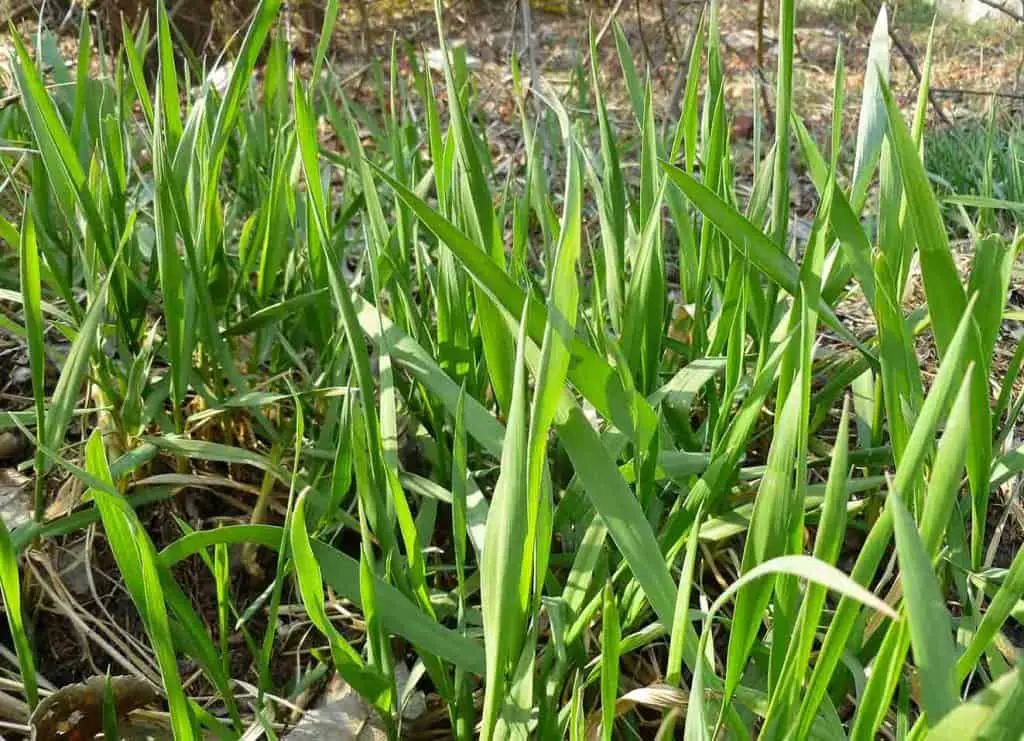
Quackgrass is a perennial grassy weed that spreads through seeds and underground rhizomes. Those rhizomes act like hidden highways beneath your soil, allowing the plant to travel and pop up where you least expect it.
That’s what makes it such a menace.
Pull the visible blades, and the underground network keeps humming along.
It’s like cutting the top off an iceberg and pretending the ocean is clear.
How to Identify Quackgrass
| Feature | What to Look For |
| Leaf texture | Rough on top, smooth underneath |
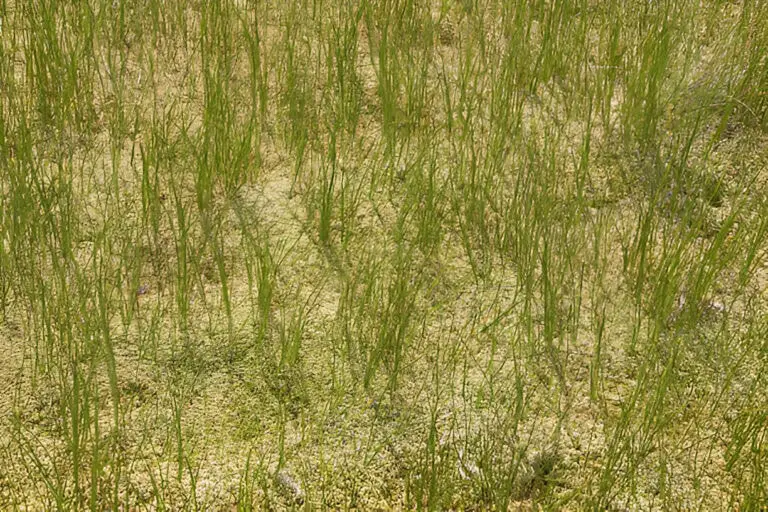
| Growth habit | Upright grassy clumps |
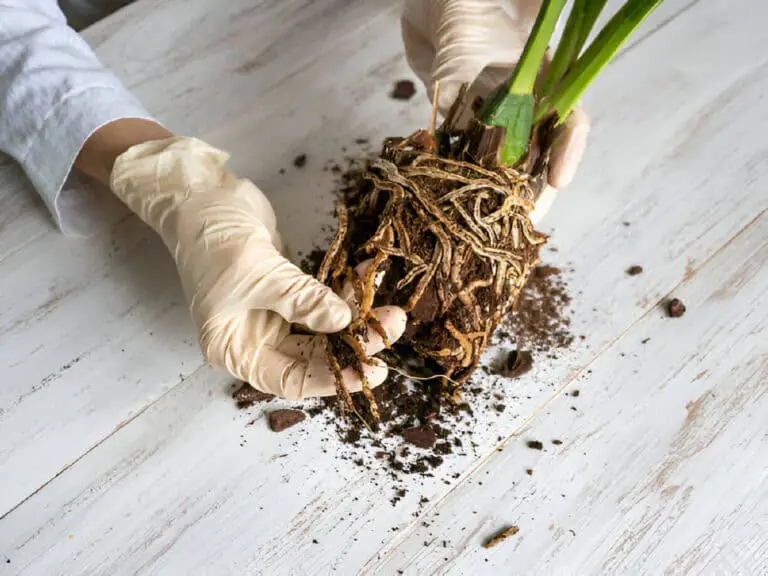
| Root system | White, creeping rhizomes |
| Auricles | Claw-like structures at leaf base |
Once I learned to recognize those telltale white rhizomes, everything clicked.
This wasn’t ordinary grass gone rogue—it was a strategic invader.
| Read on: Why Grass Keeps Dying in the Same Area |
Why Quackgrass Is So Hard to Remove
Here’s the brutal truth: quackgrass doesn’t play fair.
Its rhizomes can grow several feet underground and regenerate from tiny fragments. That means if you till the soil or break roots into pieces, you may actually help it spread.
I learned that lesson the expensive way.
I rototilled one infested bed thinking I’d “reset” the area.
Instead, I gave quackgrass a VIP pass to every corner of my garden.
Why Traditional Methods Fail
- Pulling only removes top growth
- Tilling spreads rhizome fragments
- Mowing alone won’t weaken roots
- Ignoring small patches allows expansion
Quackgrass thrives when we treat it like a surface problem.
But the real battle lives underground.
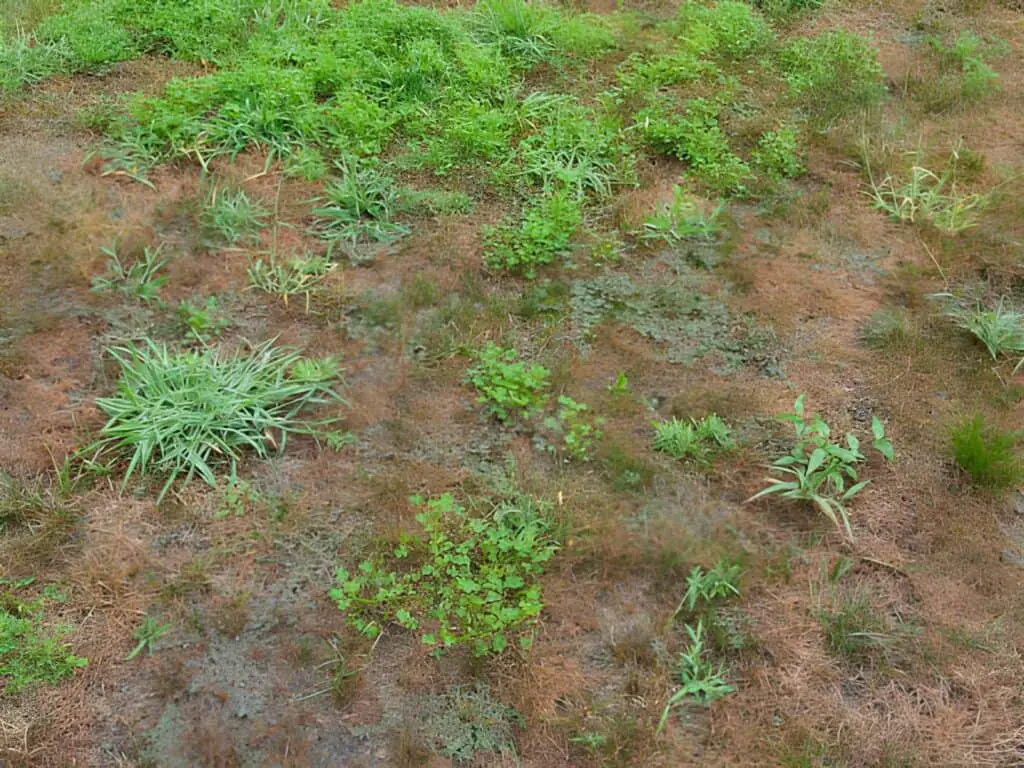
My Turning Point: Stop Fighting Randomly
For months, I attacked quackgrass emotionally.
That sounds ridiculous, but it’s true.
I’d see a patch, get irritated, and start ripping it out with no plan. It felt satisfying for about twelve minutes.
Then it came back.
Eventually, I realized I needed strategy over frustration. So I changed my approach completely. And that’s when things started shifting.
Step 1: Dig Deep—Literally
Manual removal works, but only if you commit.
I started digging around each patch carefully, loosening the soil and tracing every visible rhizome.
And I mean every one.
Those white underground runners break easily, so I worked slowly like I was defusing a bomb.
Because in a sense, I was.
My Manual Removal Process
- Water soil lightly beforehand
- Use a fork, not a shovel
- Lift roots gently
- Follow rhizomes as far as possible
- Bag everything immediately
This method takes time, but it removes the engine—not just the paint job.
Step 2: Smother the Survivors
After digging, I covered problem areas aggressively.
I layered cardboard, then topped it with 4–6 inches of mulch.
In severe spots, I used black plastic for several weeks.
No sunlight means no photosynthesis. And no photosynthesis means quackgrass loses fuel. It won’t die overnight, but starving it works.
Best Smothering Options
| Material | Effectiveness | Best Use |
| Cardboard | High | Garden beds |
| Mulch | Medium-High | Decorative coverage |
| Black plastic | Very High | Heavy infestations |
| Landscape fabric | Medium | Paths and borders |
The trick is patience.
Smothering weakens what digging misses.
| Find out: How to Prevent Grass From Growing in Gravel (Say Goodbye to Weeds) |
Step 3: Use Herbicide Strategically (If Necessary)
I know some gardeners avoid chemicals completely. I respect that.
But when quackgrass spread into my lawn at scale, I had to make a practical call.
I spot-treated active growth with a non-selective systemic herbicide.
Timing mattered.
I waited until the grass had enough healthy leaf area to absorb the treatment fully.
That way, the herbicide traveled into the rhizomes.
That’s where the real kill happens.
Herbicide Success Tips
- Apply during active growth
- Avoid mowing 5–7 days before treatment
- Don’t spray before rain
- Shield nearby desirable plants
- Reapply if regrowth appears
Used carefully, pre-emergent herbicide becomes a scalpel—not a sledgehammer.
The Mistakes I’ll Never Repeat
Quackgrass taught me a few hard lessons.
And if I can spare you those same headaches, even better.
What Not to Do
- Never till infested areas
- Never compost rhizomes
- Never rely on one treatment
- Never skip follow-up inspections
Weeds exploit shortcuts.
And quackgrass especially loves lazy assumptions.
![How to Get Rid of Quackgrass (Couch Grass) [Weed Management]](https://farmingthing.com/wp-content/plugins/wp-youtube-lyte/lyteCache.php?origThumbUrl=https%3A%2F%2Fi.ytimg.com%2Fvi%2F1BnEXeUZ3wg%2F0.jpg)
How I Prevented It from Coming Back
Winning once isn’t enough. You need to defend the territory.
So after removing quackgrass, I focused on strengthening my lawn and garden.
Because healthy ground leaves less room for invaders.
My Prevention Strategy
- Overseed thin lawn areas
- Improve soil health
- Maintain dense planting beds
- Mulch exposed soil
- Inspect monthly
I also adjusted mowing height. A taller lawn shades soil and reduces weed opportunities. Sometimes the best offense really is a strong defense.
| Check out: Butterfly Weed (Asclepias Tuberosa) Care and Growing Guide |
Long-Term Lawn Recovery Plan
Once quackgrass leaves, your yard needs repair.
Here’s the recovery roadmap I followed.
| Task | Purpose |
| Aerate compacted soil | Improve root health |
| Overseed bare spots | Increase density |
| Fertilize appropriately | Support strong growth |
| Water the grass deeply, not often | Strengthen turf roots |
Think of it like rebuilding after a storm.
Clear the land and wreckage, then plant stronger foundations.
What I Wish I Knew Earlier
I used to think weed control meant brute force. Rip harder. Spray faster. Work longer.
But quackgrass taught me something different.
Persistence beats aggression. Smart repetition wins. And solving stubborn problems takes systems, not outbursts. That lesson stretched far beyond gardening.
Because honestly? Life has its own quackgrass.
Things that creep in quietly, spread beneath the surface, and demand real effort to remove. You deal with those the same way—identify the roots, stay consistent, and never confuse temporary relief with lasting change.
| Continue: Here’s How to Eliminate Striga Witchweed for Good! |
Final Thoughts: Yes, You Can Eliminate Quackgrass for Good
Quackgrass may act like it owns the place. But it doesn’t.
With the right strategy—deep removal, smothering, targeted treatment, and prevention—you can reclaim your lawn and garden.
I did. And if I managed to outlast one of the most stubborn weeds in the yard, so can you. Just remember: don’t fight the symptom.
Fight the system beneath it. That’s where lasting change begins. And once quackgrass finally stops coming back? That silence in the garden feels like victory.