Striga Witchweed Taking Over? Here’s How to Eliminate Them for Good!

The first time I heard the term witchweed, I assumed it belonged in folklore.
Turns out, it belongs in nightmares.
If you’ve ever dealt with striga—also known as witchweed—you know it doesn’t just invade your crops. It drains the life out of them, quietly and ruthlessly, like a thief in broad daylight.
And the cruelest part?
You often don’t notice the damage until your plants already look tired, stunted, and defeated.
That was my reality the first season I encountered it.
I kept wondering why my maize struggled despite decent rain, fertilizer, and care. I blamed the weather, the soil, even my own decisions.
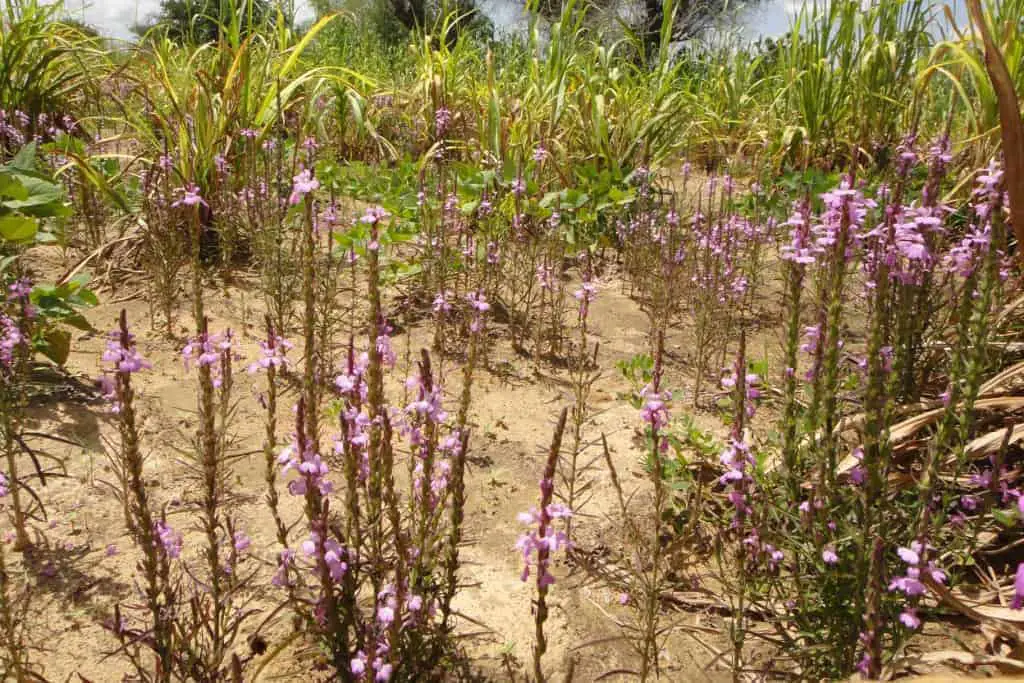
Then I saw those tiny purple flowers peeking through the field.
That’s when the penny dropped.
Striga had been there all along—feeding beneath the surface.
And if you’re here, chances are your land has started whispering the same warning.
So let me share what I learned the hard way: you can eliminate striga, but only if you stop thinking like you’re dealing with an ordinary weed.
Because this one plays chess while most weeds play checkers.
Why Striga Is Such a Dangerous Opponent
Striga isn’t just another unwanted plant.
It’s parasitic.
That means it attaches to the roots of crops like maize, sorghum, millet, and rice, stealing nutrients and water before it even emerges above ground.
By the time you see it, the damage already started.
That hidden attack makes striga one of the most destructive agricultural weeds in the world.
And its seeds?
They’re practically immortal by weed standards.
Some can survive in soil for over a decade.
That means ignoring one season can haunt you for years.
Understanding the Enemy
| Trait | Why It Matters |
| Parasitic roots | Weakens crops underground |
| Massive seed production | Spreads quickly |
| Long seed viability | Persists for years |
| Host-specific behavior | Targets major cereal crops |
Striga doesn’t just grow—it infiltrates.
That distinction changed how I approached control.
My First Mistake: Fighting What I Could See
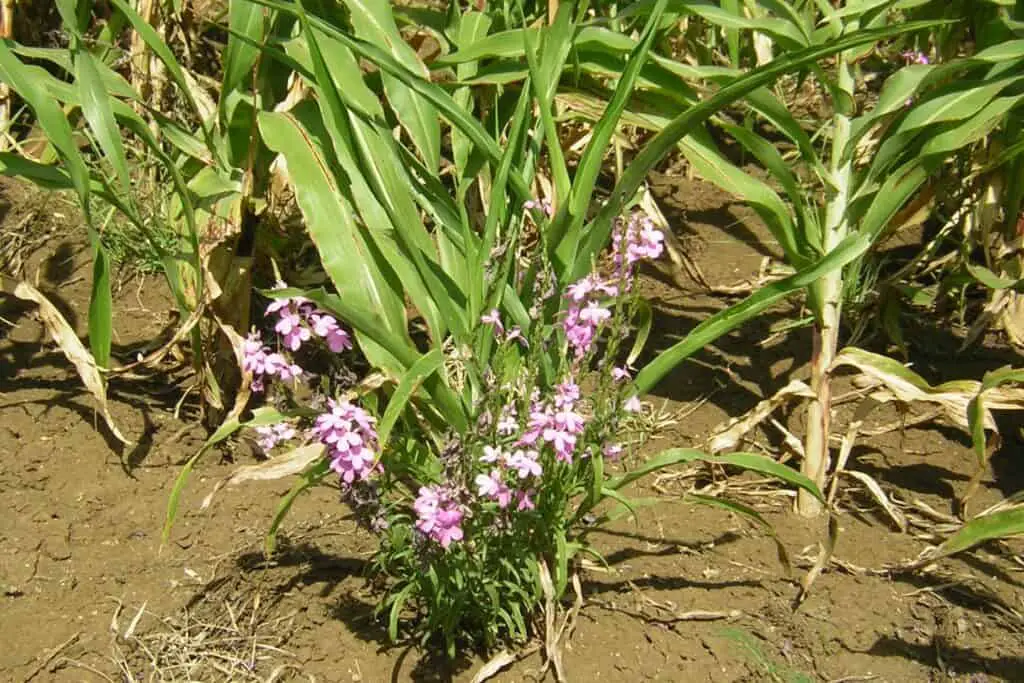
When I first noticed flowering striga plants, I pulled them immediately.
I thought I was solving the issue.
But the truth?
I was only trimming the smoke while the fire burned below.
By the time striga flowers appear, it is already attached to host roots weeks earlier.
So removing visible plants helps reduce seed spread, but it won’t save that season’s crop entirely.
That realization forced me to shift strategies.
I had to stop reacting late and start preventing early.
| Continue: Simple Tips to Eliminate Dandelion Grass |
Step 1: Improve Soil Fertility First
This surprised me.
I assumed weed control meant targeting the weed directly.
But with striga, healthy soil becomes your first line of defense.
Poor, nutrient-starved soils encourage infestation.
So I focused on improving soil fertility through organic matter and balanced fertilization.
Especially nitrogen.
That one change made a visible difference.
What I Added to the Soil
- Compost
- Farmyard manure
- Nitrogen-rich fertilizer
- Crop residues
Healthier crops resist striga better.
And stronger roots reduce vulnerability.
Think of it as giving your crops armor before battle.
Step 2: Rotate Crops Strategically
Continuous planting of susceptible crops is like rolling out a welcome mat for striga.
I broke that cycle with crop rotation.
Instead of planting maize repeatedly, I introduced non-host crops such as legumes.
That interrupted the weed’s life cycle.
And honestly, this step became one of my most effective tools.

Best Crop Rotation Choices
| Crop Type | Effect on Striga |
| Legumes | Reduces infestation |
| Groundnut | Excellent suppression |
| Soybean | Improves soil fertility |
| Cowpea | Breaks host cycle |
Rotation isn’t flashy.
But it works.
And in agriculture, practical beats dramatic every time.
Step 3: Use Trap Crops to Fool the Seeds
This strategy felt almost poetic.
Trap crops stimulate striga seeds to germinate but don’t support attachment.
In short, they trick the weed into wasting its chance.
I planted species like desmodium and certain legumes to reduce seed banks over time.
Watching the weed outsmart itself felt deeply satisfying.
Why Trap Crops Matter
- Trigger seed germination
- Prevent successful parasitism
- Lower future infestations
- Improve soil cover
Sometimes the best move isn’t force—it’s deception.
Step 4: Hand Pull Before Seed Set
Even though pulling mature striga won’t reverse damage, it still matters.
Why?
Because every flowering plant left in the field adds thousands more seeds.
So I made it a rule:
Never let it seed.
My Removal Routine
- Inspect weekly during flowering season
- Pull plants carefully
- Bag or burn removed weeds
- Never leave them on-site
This step protects future seasons.
And with striga, future planning is everything.
| Related: How to Eliminate Chickweed (Stellaria Media) for Good! |
Step 5: Plant Resistant Varieties
Switching to resistant or tolerant crop varieties gave me breathing room.
Not immunity—but resilience.
That distinction matters.
Resistant varieties reduce attachment rates, while tolerant ones maintain better yields despite infection.
Either option improves outcomes significantly.
Resistant Crop Benefits
| Advantage | Impact |
| Lower infestation | Fewer parasitic attachments |
| Better yields | Reduced crop stress |
| Long-term sustainability | Supports integrated control |
Seeds matter more than most people realize.
Good genetics can shift the odds.
What Didn’t Work for Me
Some methods sounded promising but delivered little.
And wasting time on ineffective tactics only strengthens the weed.
Mistakes I Learned to Avoid
- Relying only on hand pulling
- Replanting susceptible crops continuously
- Ignoring soil health
- Allowing flowering plants to seed
- Expecting one-season solutions
Striga thrives on inconsistency.
And shortcuts only feed its persistence.
The Long Game: Building a System, Not a Quick Fix
Here’s the truth:
You won’t eliminate striga overnight.
It demands seasons of disciplined action.
But each strategy compounds.
Soil improves.
Seed banks shrink.
Crop health rebounds.
That momentum builds.
And eventually, the infestation weakens.
My Integrated Control Plan
| Season | Main Action |
| Year 1 | Soil improvement + rotation |
| Year 2 | Resistant crops + trap crops |
| Year 3 | Continued monitoring + prevention |
This layered system changed everything.
Because striga doesn’t lose to one tactic—it loses to pressure from all sides.
Final Thoughts: Yes, You Can Beat Witchweed
Striga earned its reputation.
It hides underground, steals from crops, and lingers in soil like unfinished business.
But it isn’t unbeatable.
I learned that through setbacks, stubborn effort, and a willingness to rethink everything.
The solution lies in integration. Feed the soil. Rotate smart. Use trap crops. Remove before seeding. Choose stronger varieties.
And above all—stay consistent.
Because striga thrives in neglected systems. But it weakens when every season works against it. The road isn’t quick. But reclaiming your field from witchweed feels like sunlight breaking through storm clouds.
And trust me—that harvest tastes sweeter than ever.