Field Bindweeds Taking Over? Here’s How I Finally Got Rid of Them for Good

There’s a certain kind of panic that hits when you walk into your garden one morning and realize the enemy has moved in overnight.
That was me the first time I noticed field bindweed curling around my tomatoes like it paid rent.
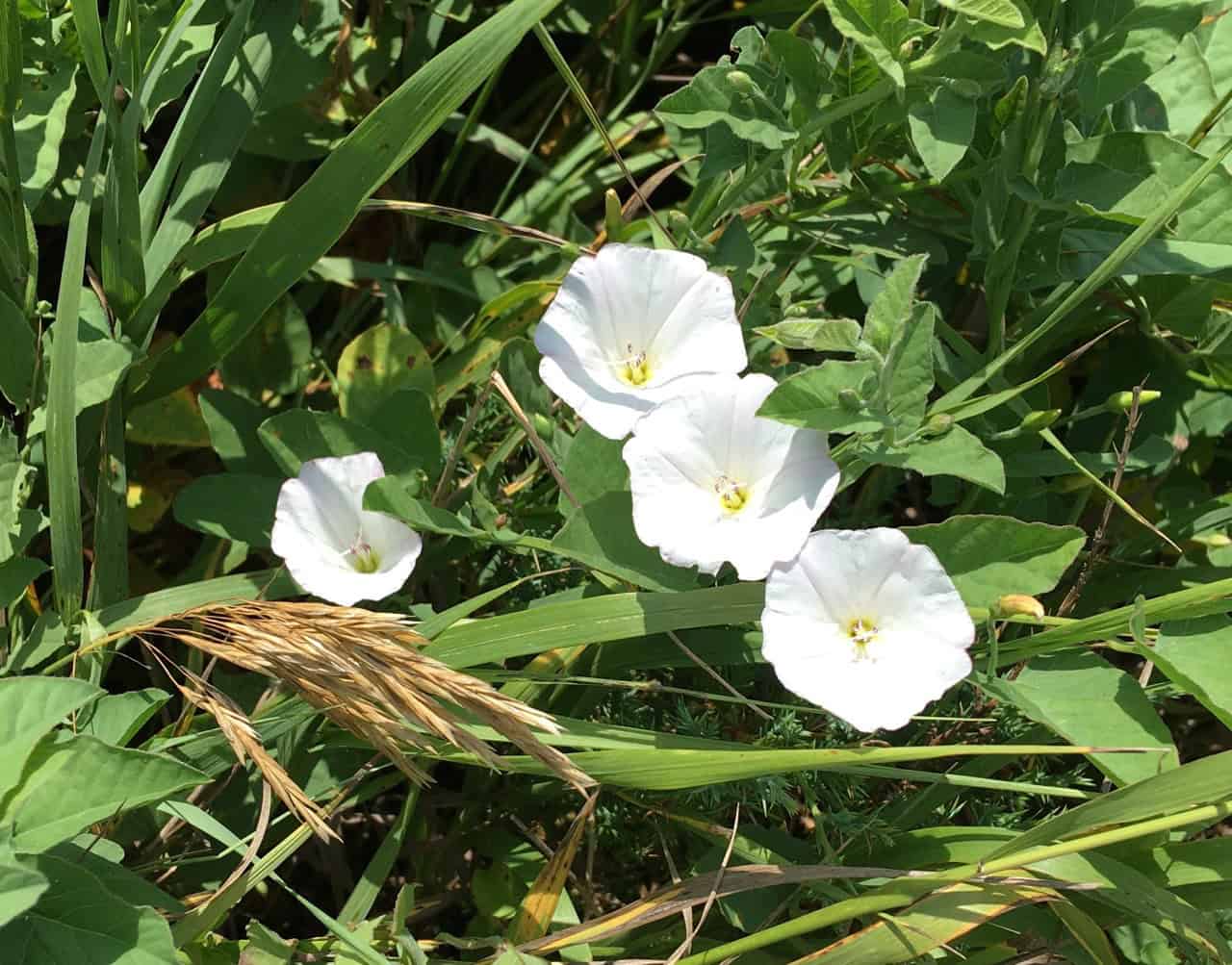
At first, I thought it looked harmless—almost charming, even. Little trumpet-shaped flowers, delicate vines, a soft green touch across the soil. But that beauty? Pure deception. Field bindweed is the wolf in wildflower clothing.
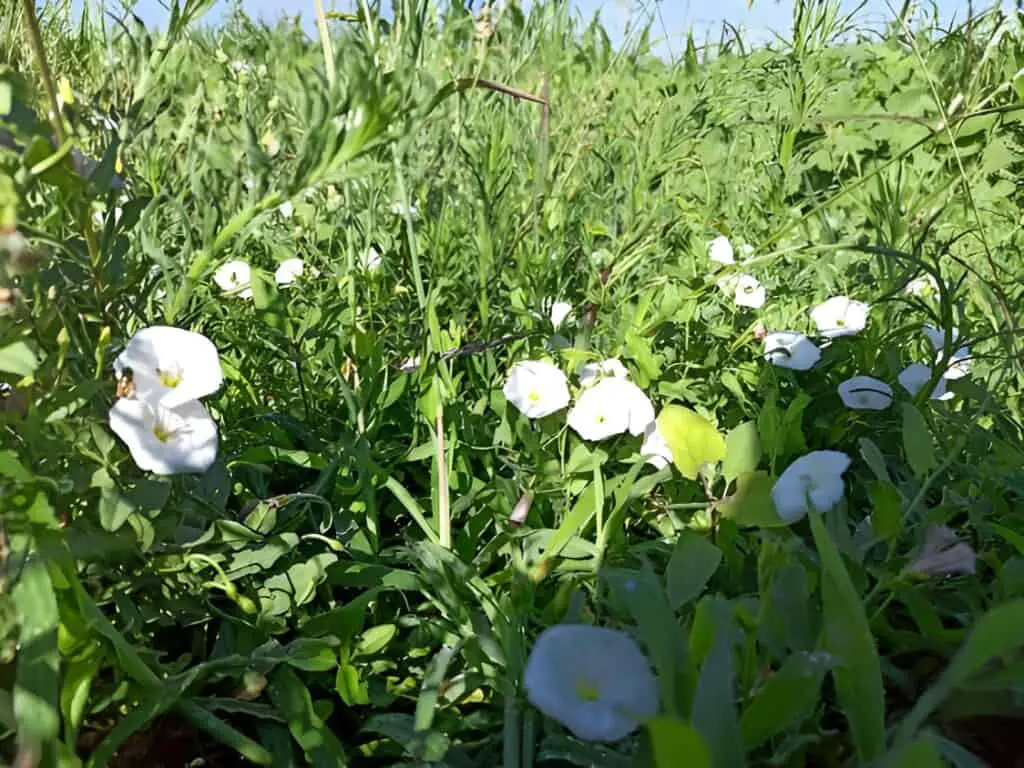
And once it settles in, it doesn’t just visit—it sets up camp, invites its cousins, and starts swallowing everything in sight.
If you’re dealing with field bindweed, I know exactly what you’re going through. I’ve fought this battle, lost a few rounds, and eventually found what actually works. So if these vines are turning your yard into their personal jungle gym, here’s how to kick them out for good.
What Makes Field Bindweed Such a Nightmare?
Field bindweed isn’t your average weed.
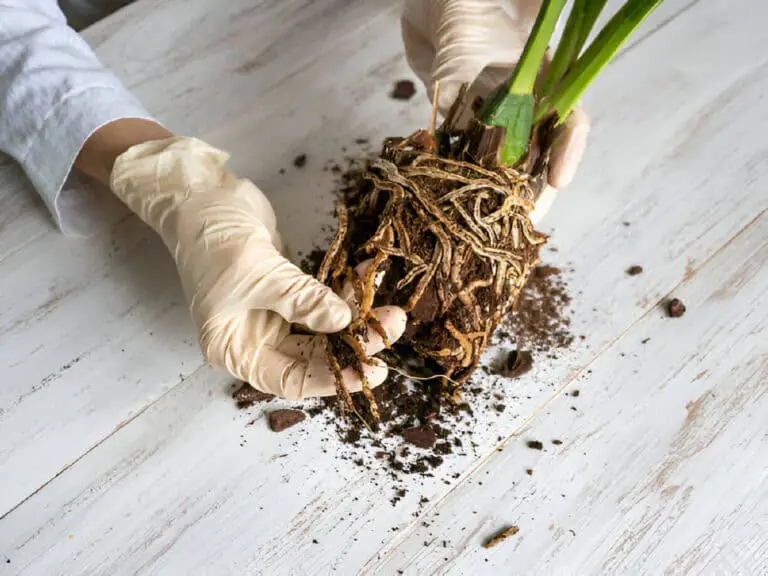
This plant is stubborn, strategic, and absurdly persistent. It spreads through seeds and underground roots. And those roots? They can dive more than 10 feet into the soil.
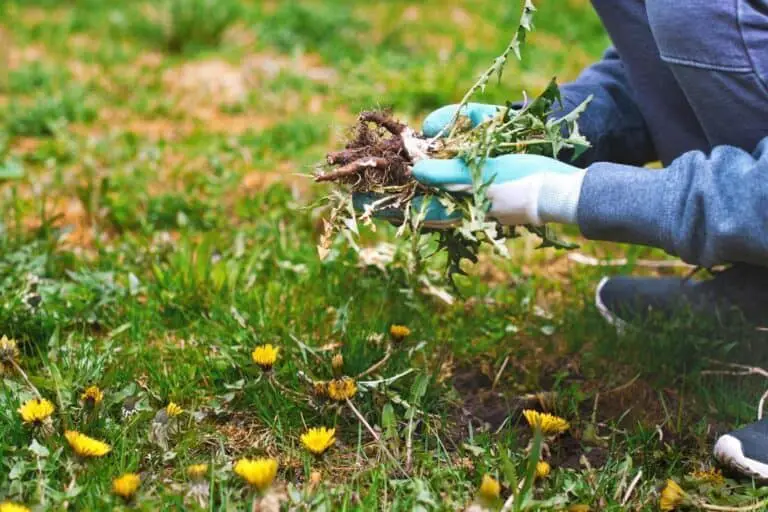
That means if you yank the top growth and leave even a tiny bit of root behind, congratulations—you’ve just scheduled its comeback.
It’s like trying to evict someone who owns secret tunnels beneath your house.
Why It’s So Hard to Eliminate
| Problem | Why It Matters |
| Deep roots | Hard to remove completely |
| Fast growth | Smothers nearby plants |
| Seed longevity | Seeds stay viable for decades |
| Regrowth ability | Small root fragments can sprout |
One thing became painfully clear to me: bindweed doesn’t care how busy you are.
Skip one week of control, and it takes a mile.
| Check out: Henbit Weeds Taking Over? Here’s How to Eliminate Them for Good! |
Step One: Stop Pulling It Randomly
I made this mistake for months.
I’d see the vines, get annoyed, and start ripping them out in frustration. It felt productive—until they came back thicker than before.
Here’s the truth: random pulling weeds only trims the beard, not the face.
You need strategy.
Instead of aggressive yanking, I started cutting bindweed at the soil line every time I saw it. No tugging, no dramatic wrestling match.
This forces the plant to keep using its stored energy to regrow. Over time, it weakens the root reserves.
And trust me, exhausting bindweed is the name of the game.
Step Two: Attack Before It Flowers
Timing matters more than people think.
Once field bindweed flowers and sets seed, you’re playing the long game whether you like it or not.
I learned to patrol my garden like a border guard.
The second I spotted new shoots, I removed them before they matured.
My Weekly Bindweed Routine
- Inspect garden beds every 3–4 days
- Cut new shoots immediately
- Never allow flowering
- Dispose of cuttings away from compost
- Record heavy infestation spots
That last step helped more than I expected.
When I tracked where bindweed popped up most, I noticed patterns—usually near fences, pathways, and neglected corners.
Turns out bindweed loves weak points.
And honestly? So do most problems.
Step Three: Smother It Like You Mean It
If bindweed had a kryptonite, it would be lack of sunlight.
After cutting back visible growth, I covered affected areas with:
- cardboard
- landscape fabric
- thick mulch (4–6 inches)
- black plastic in severe cases
The goal is simple: deny photosynthesis.
I layered cardboard first, then piled mulch on top like I was burying treasure.
And in a way, I was—protecting the health of my soil underneath.
Best Smothering Materials
| Material | Effectiveness | Notes |
| Cardboard | High | Eco-friendly and affordable |
| Thick mulch | Medium-High | Works best layered deeply |
| Black plastic | Very High | Ideal for severe outbreaks |
| Landscape fabric | Medium | Good for pathways |
Smothering won’t kill deep roots overnight, but it slows the beast considerably.
Step Four: Use Herbicide Carefully (If Needed)
I know this topic can split a room.
Some gardeners avoid herbicides entirely. Others use them strategically.
I fall into the second camp—when the infestation gets out of hand.
For large patches, I spot-treated bindweed with a systemic herbicide containing glyphosate.
But here’s the catch: spraying the leaves casually won’t do much if the plant is stressed or immature.
I waited until the vines had enough healthy leaf growth, then applied carefully so the chemical traveled down into the roots.
That’s where the war gets won.
Herbicide Tips That Actually Matter
- Apply during active growth
- Avoid windy days
- Protect nearby desirable plants
- Reapply as needed over several weeks
- Follow label instructions exactly
Used correctly, herbicide can speed up what manual control starts.
Used carelessly, it creates new headaches.

Why One-Time Treatments Never Work
This was my biggest mindset shift.
I kept looking for the silver bullet.
There isn’t one.
Field bindweed control is a campaign, not a single battle.
You don’t eliminate it in one weekend. You chip away at it season after season until the root system gives up.
And eventually—it does.
Consistency beats intensity every time.
That lesson applies far beyond the garden.
The Mistakes That Kept Feeding the Problem
I had to learn these the hard way.
What Not to Do
- Don’t till infested soil — it spreads root fragments
- Don’t compost bindweed vines — seeds may survive
- Don’t ignore small patches — they escalate quickly
- Don’t rely on one method alone — combine tactics
Bindweed thrives when we underestimate it.
And weeds, much like bad habits, grow fastest in neglected places.
My Long-Term Prevention Strategy
Once I got control, I focused on making sure it stayed that way.
Healthy, dense plantings helped crowd out new shoots.
Mulched beds reduced exposed soil.
Regular inspections caught problems early.
And I stopped giving bindweed empty real estate.
Prevention Checklist
| Prevention Method | Why It Works |
| Dense planting | Limits open space |
| Mulching | Blocks sunlight |
| Early removal | Prevents establishment |
| Soil monitoring | Detects recurring roots |
Think of prevention as locking the door after finally getting rid of an unwanted guest.
| Continue: Here’s How to Eliminate Japanese Knotweed for Good! |
Final Thoughts: You Can Win This Fight
Field bindweed tested my patience like few things ever have.
It crept, climbed, tangled, and refused to quit.
But in the end, I learned something valuable: stubborn problems need smarter persistence.
Not louder effort.
If bindweed is taking over your garden, don’t panic—and definitely don’t surrender.
Cut it back. Smother it. Stay consistent. Strike before it seeds.
And above all, keep showing up.
Because eventually, the vines stop coming.
And when that day arrives, your garden breathes again.
That victory? It feels like sunlight after a storm.