Japanese Knotweed Taking Over? Here’s How to Eliminate Them for Good!

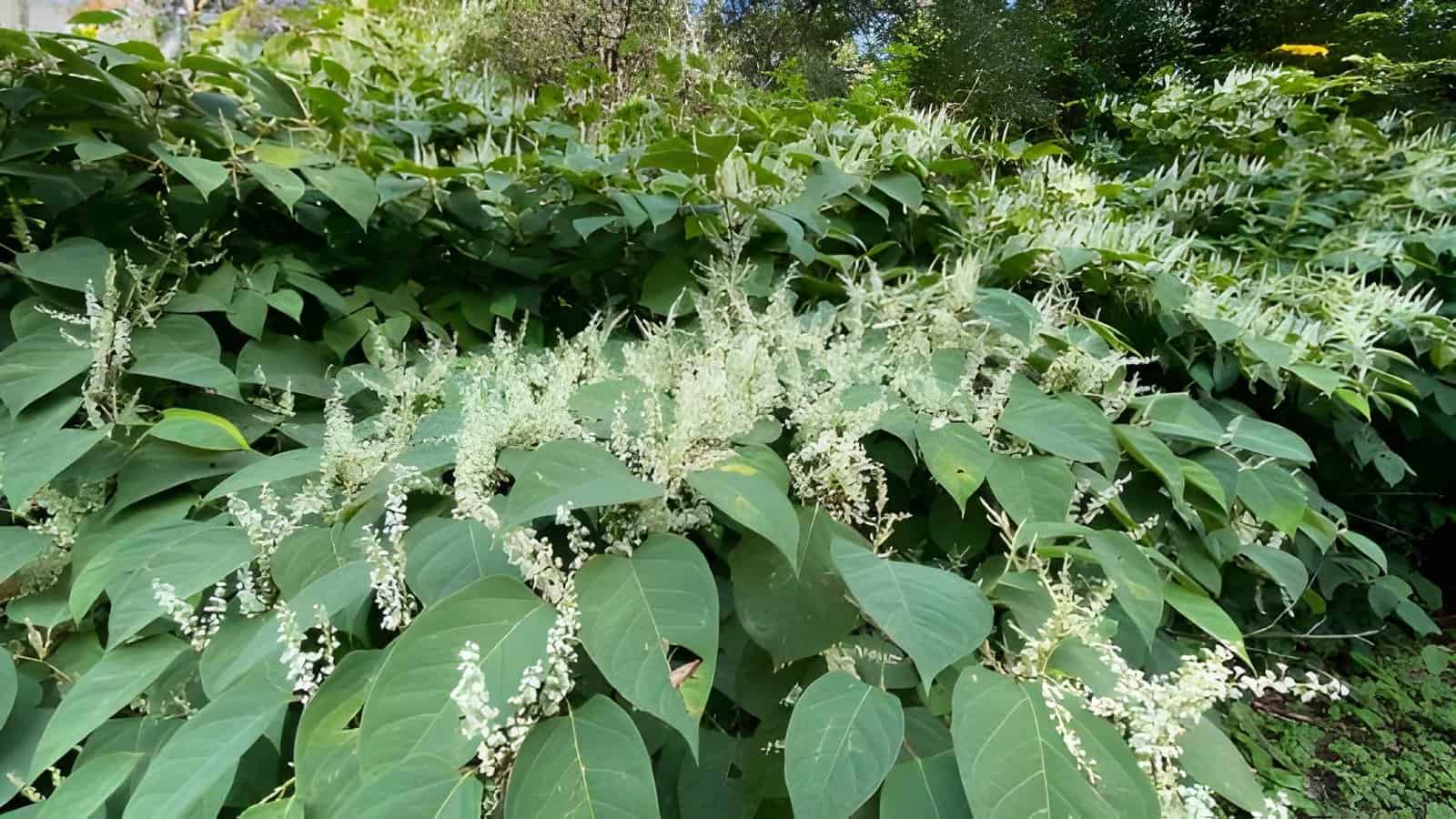
The first time I saw Japanese knotweed on my property, I didn’t think much of it.
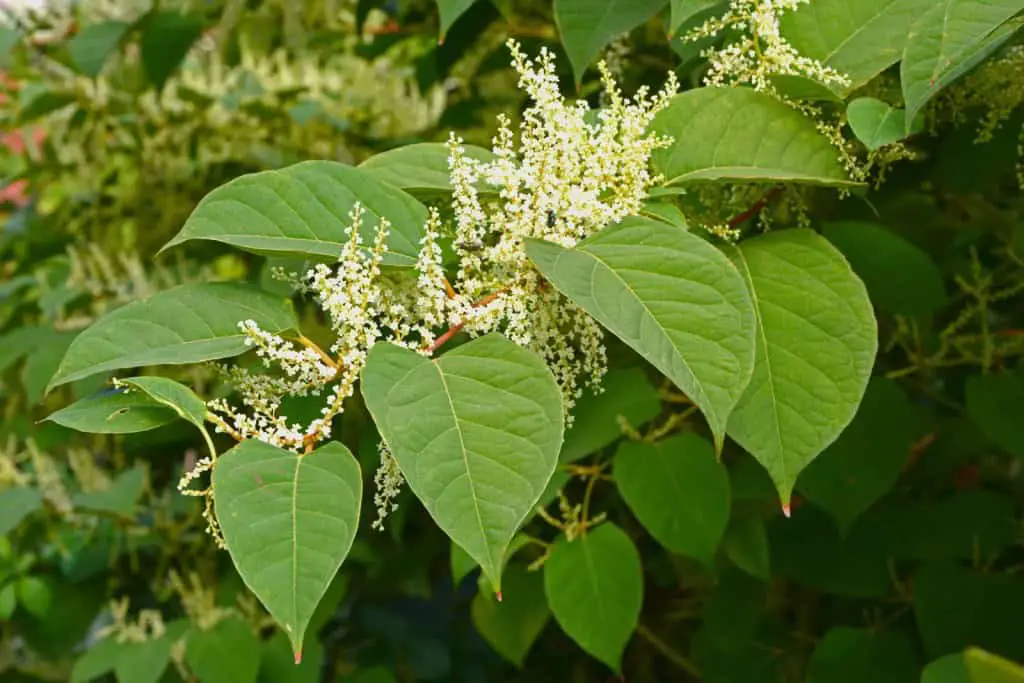
Tall stems. Heart-shaped leaves. Bamboo-like canes swaying in the breeze like they belonged in some peaceful Zen painting.
I almost admired it.
That was before I learned I’d basically rolled out the red carpet for one of the most aggressive invasive plants on the planet.
Japanese knotweed doesn’t knock politely. It barges in, kicks its boots up on the furniture, and starts rewriting the rules of your landscape.
By the time I understood what I was dealing with, it had spread across a section of my yard like green wildfire.
And if you’re reading this, I’m guessing you’ve had your own rude awakening.
So here’s the truth from someone who’s wrestled with this botanical menace: you can eliminate Japanese knotweed—but only if you stop treating it like an ordinary weed.
Because it isn’t.
It’s a marathon, not a sprint.
And I learned that lesson the hard way.
Why Japanese Knotweed Is Such a Brutal Opponent
Japanese knotweed isn’t stubborn by accident.
It survives because it’s built like a siege engine.
Its underground rhizomes spread wide and deep, storing energy and sending up fresh shoots even after heavy cutting. Those rhizomes can stretch several meters beyond visible growth.
That means what you see above ground is just the tip of the iceberg.
Or maybe the chimney—because the real structure sits underground.
What Makes It So Difficult to Control?
| Challenge | Why It Matters |
| Deep rhizomes | Hard to remove fully |
| Fast regrowth | Returns after cutting |
| Fragment survival | Tiny pieces can reestablish |
| Dense thickets | Smother other plants |
I learned quickly that pulling stems alone was about as useful as trimming weeds with nail scissors.
You have to target the root system—or more accurately, the underground empire.
My First Mistake: Treating It Like Normal Brush
When I first attacked it, I went in swinging.
I cut every stem to ground level, bagged the debris, and felt triumphant.
Two weeks later?
Fresh shoots.
Stronger.
Taller.
Like I’d merely given it a haircut.
That moment taught me something important:
Japanese knotweed thrives when you underestimate it.
Brute force without strategy just wastes time.
So I stopped improvising and built a plan.
That’s when things changed.
Step 1: Cut It Back—But With Purpose
Cutting helps, but only as part of a bigger strategy.
I started by cutting stems regularly throughout the growing season.
The goal wasn’t immediate eradication.
The goal was exhaustion.
Every new shoot forces the plant to use stored energy.
Repeated cutting drains those reserves.
My Cutting Routine
- Cut stems every 2–3 weeks
- Remove growth before it exceeds 12 inches
- Use clean, sharp tools
- Bag and dispose of all debris properly
And I mean properly.
Never compost Japanese knotweed.
Even small fragments can root.
That pile in the corner? It could become your next infestation.
Step 2: Herbicide at the Right Time
If you want serious progress, timing matters.
I applied systemic herbicide in late summer to early fall.
Why then?
Because the plant naturally moves nutrients down into its rhizomes before winter.
That means the herbicide travels deeper into the system.
That’s where the real damage happens.
Best Timing for Treatment
| Season | Effectiveness |
| Spring | Low |
| Early Summer | Moderate |
| Late Summer | High |
| Fall | Excellent |
I used targeted application methods—either foliar spray or stem injection depending on density.
Precision mattered.
Because broad spraying creates collateral damage.
And I wasn’t trying to torch my entire landscape.

Step 3: Never Disturb the Soil Recklessly
This one matters more than people realize.
I avoided digging, tilling, or moving contaminated soil unless absolutely necessary.
Why?
Because rhizome fragments spread easily.
Disturbance without containment can make the problem worse.
It’s like trying to clean glitter with a leaf blower.
Soil Handling Rules I Followed
- Never till infested areas
- Keep machinery out when possible
- Contain excavated material carefully
- Dispose of contaminated waste legally
One careless shovel can create ten new headaches.
| Continue: How to Kill Weeds While Growing Grass In Newly Seeded Lawn |
Step 4: Smothering—Only in Certain Situations
I experimented with heavy-duty tarping in smaller sections.
Black geomembrane barriers helped suppress regrowth when installed correctly.
But I’ll be honest—smothering alone rarely solves major infestations.
It’s a support tactic, not the headline act.
Still, for isolated patches, it buys time.
When Smothering Works Best
- Small, contained areas
- Supplemental to cutting/herbicide
- Long-term installation (12+ months)
Anything less becomes wishful gardening.
What Actually Worked Long-Term
Success came from layering methods.
No silver bullet.
No miracle spray.
Just consistent pressure over multiple seasons.
That’s the reality nobody loves hearing—but it’s the truth.
My Multi-Year Strategy
| Year | Main Focus |
| Year 1 | Cut aggressively + herbicide |
| Year 2 | Monitor regrowth + retreat |
| Year 3 | Spot control + restoration |
This wasn’t glamorous work.
But it was effective.
And eventually, the thickets thinned.
Then they stopped returning.
That silence felt louder than any victory speech.
Restoring the Ground After Removal
Once knotweed weakened, I focused on reclaiming the space.
Because empty ground invites trouble.
Nature fills gaps quickly—and often with whatever nuisance shows up first.
So I planted competitive native species and improved soil structure.
That gave the area resilience.
My Restoration Checklist
- Add organic matter
- Plant dense vegetation
- Mulch exposed areas
- Inspect monthly
Healthy ecosystems defend themselves better than bare dirt ever will.
Common Mistakes That Keep Knotweed Alive
I’ve seen people make these errors repeatedly.
And yes, I made some too.
Avoid These at All Costs
- Cutting once and stopping
- Spraying at the wrong season
- Composting plant material
- Moving infested soil
- Expecting instant results
Japanese knotweed rewards patience and punishes shortcuts.
That’s its whole game.
The Emotional Side Nobody Talks About
I’ll admit something.
There were moments I wanted to give up. Watching fresh shoots emerge after months of work can drain your motivation. It feels personal. Like the plant is mocking you.
But persistence matters. Not dramatic bursts of effort—steady pressure. That principle reaches beyond weeds. Because some problems in life look gone until they resurface. And the answer is the same:
Stay consistent. Keep the system in check. Don’t let setbacks rewrite the story.
| Read on: Is Pulling Weeds a Waste of Time? How To Get Rid of Weeds Permanently? |
Final Thoughts: Yes, You Can Eliminate Japanese Knotweed for Good
Japanese knotweed may seem unstoppable.
Its roots run deep, its regrowth comes fast, and its reputation inspires dread. But it isn’t invincible. I learned that through trial, frustration, and more than a few muddy afternoons. The key lies in understanding the enemy.
Cut strategically. Treat at the right time. Handle soil carefully. Restore the land afterward. And most importantly—commit to the long game.
Because lasting results don’t arrive overnight. They grow from repeated action. Japanese knotweed taught me that stubborn problems need disciplined solutions.
And once I embraced that truth, I finally took my yard back. No more towering canes.
No more creeping rhizomes. Just open ground—and the satisfaction of knowing I earned every inch of it.