Waxed Amaryllis Bulbs Care Without Water: My Easy Guide to Beautiful Blooms

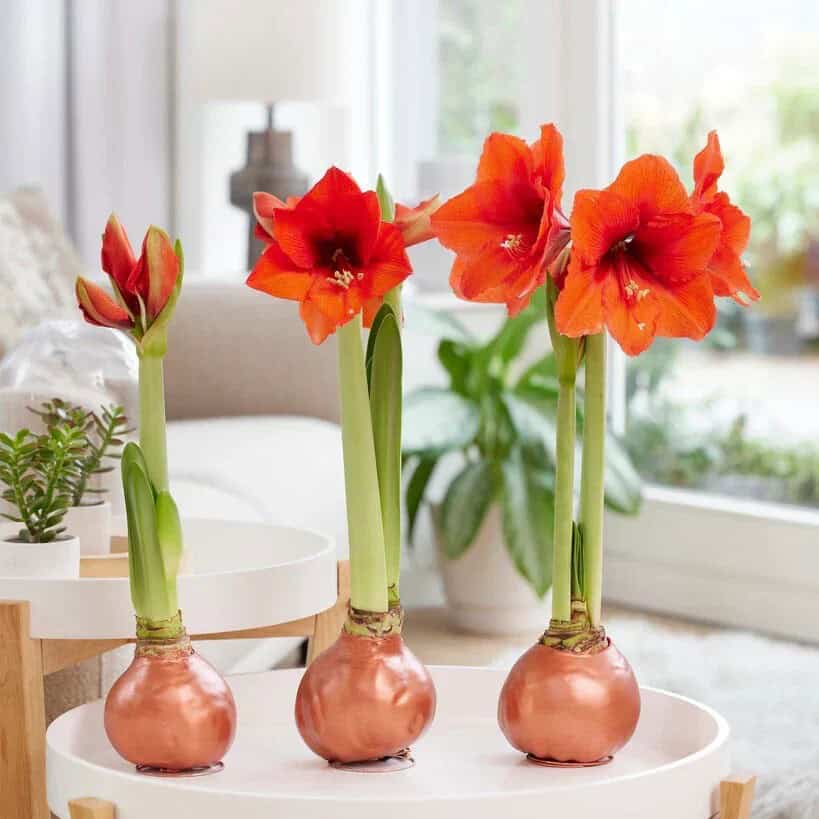
I love bringing flowering plants into my home, but I don’t always have the time to fuss over watering schedules, potting soil, and drainage trays. That’s one reason waxed amaryllis bulbs caught my eye. These unusual plants produce tall stems and spectacular trumpet-shaped flowers without requiring the usual gardening routine. Their glossy, colorful coatings also turn them into living decorations that brighten a room before the first flower even opens.
The best part? Waxed amaryllis bulbs need no watering during their intended flowering cycle. Unlike traditional amaryllis plants, which depend on roots to absorb moisture from the soil, waxed bulbs rely on the water and stored energy inside their fleshy layers. The decorative wax helps seal the bulb and supports this temporary, soil-free growing method.
Still, no watering doesn’t mean no care at all. Temperature, light, placement, and stability can influence how well your bulb grows and how long its flowers last. If you’re new to these fascinating plants, I’ll walk you through everything I consider when caring for waxed amaryllis bulbs without water, from choosing the perfect display spot to understanding what happens after the blooms fade.
What Is a Waxed Amaryllis Bulb?
A waxed amaryllis bulb is a real flowering bulb, usually from the genus Hippeastrum, that growers prepare for a decorative, soil-free display. They remove the roots, cover the bulb with decorative wax, and rely on its stored resources to support its initial growth.
Traditional amaryllis plants need soil, water, and a healthy root system. Waxed bulbs skip those requirements for their initial flowering cycle. They use energy and moisture stored inside the bulb to push up a flower stalk, develop buds, and open their impressive blooms.
I find it fascinating that something so simple can produce such a dramatic display. One day, the bulb looks like a colorful ornament sitting on a shelf; a few weeks later, it may support several large flowers that command attention from across the room.
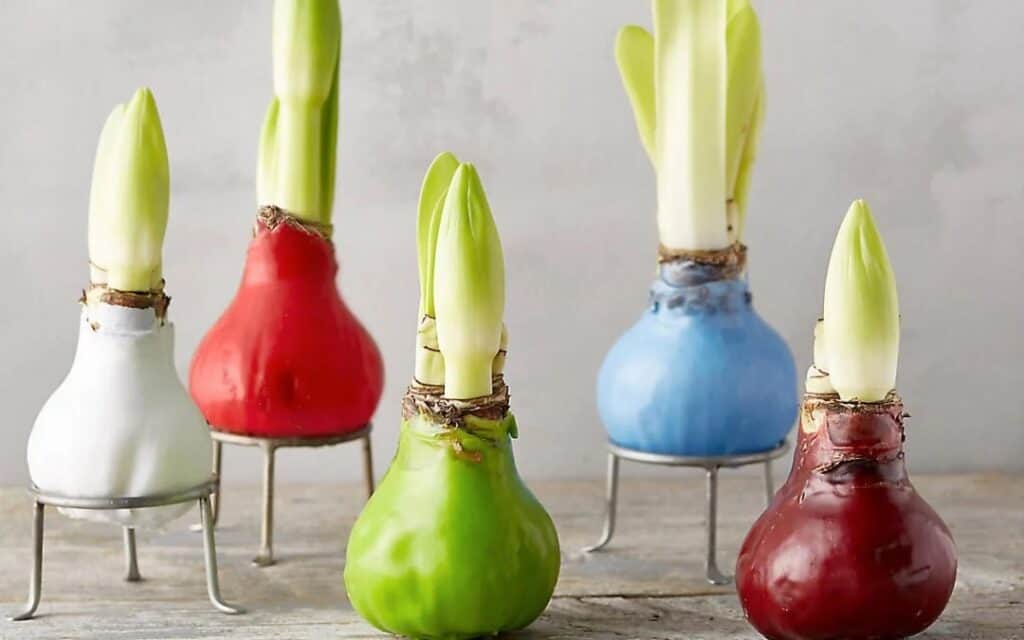
Waxed amaryllis bulbs come in a variety of finishes, including:
- Shiny red, gold, silver, and white wax for holiday decorations.
- Matte and pastel coatings for understated interiors.
- Glittery or metallic finishes for a more festive look.
- Natural-looking decorative coatings that complement rustic spaces.
The flowers themselves may appear in shades of red, pink, white, orange, or combinations of these colors.
However, there’s one important thing to remember: growers generally design waxed bulbs for a single flowering cycle. They don’t function like ordinary potted amaryllis plants that you can maintain and encourage to bloom again year after year.
Do Waxed Amaryllis Bulbs Really Need No Water?
Yes! A properly prepared waxed amaryllis bulb generally needs no additional water during its intended flowering cycle.
The secret lies inside the bulb. Its thick, fleshy layers store the moisture and carbohydrates that fuel the first round of growth. As the flower stalk develops, the plant draws on those reserves to support its leaves, buds, and blooms.
The wax coating helps protect the bulb’s surface and limits moisture loss. It doesn’t create water or provide an endless supply of nutrients, though. Once the bulb uses its stored resources, its ability to sustain new growth declines.
This is why I never treat a waxed amaryllis like a conventional houseplant. Adding water can interfere with the wax coating, encourage rot if moisture collects beneath it, or damage the bulb’s carefully prepared structure.
Here’s a quick comparison to make the difference clear.
| Care requirement | Waxed amaryllis | Traditional potted amaryllis |
| Watering | Generally unnecessary during the initial flowering cycle | Regular watering as the soil dries |
| Potting soil | Not required | Essential for normal root growth |
| Root system | Usually removed during preparation | Absorbs water and nutrients |
| Light | Bright, indirect light is helpful | Bright light supports healthy growth |
| Fertilizer | Not needed for the intended display | Useful during active growth |
| Long-term reuse | Usually difficult and uncertain | Often possible with proper care |
The bottom line is simple: enjoy the convenience of a waxed bulb, but don’t assume it can survive indefinitely without water. Its independence has limits.
How to Care for Waxed Amaryllis Bulbs Without Water
Although these bulbs don’t need watering, I still pay attention to their surroundings. A little thoughtful placement goes a long way toward protecting the wax and helping the flowers develop beautifully.
1. Find a Spot With Bright, Indirect Light
Waxed amaryllis bulbs don’t need the same root-supporting growing setup as potted plants, but light still matters. I prefer a bright room where the bulb receives plenty of indirect natural light.
A spot near a window can work well, provided the bulb doesn’t overheat in intense direct sunlight. Strong sun through glass may warm the wax excessively and shorten the flowers’ display life.
Good locations include:
- A bright living room table.
- A bookshelf near a window.
- An entryway console that receives natural light.
- A dining table away from hot appliances and direct afternoon sun.
I wouldn’t hide the bulb in a dark corner simply because it doesn’t need watering. A suitable light source helps support balanced growth and gives the developing flower stalk a better chance of growing attractively.
2. Maintain a Comfortable Indoor Temperature

Temperature is one of the most important parts of waxed amaryllis care. I keep the bulb in a comfortable indoor environment and avoid sudden temperature changes.
Excessive heat can soften the wax, damage the coating, and cause flowers to fade sooner. Cold drafts can also interfere with growth.
For everyday display, a room temperature around 65–75°F (18–24°C) generally provides a reasonable starting point.
I keep waxed amaryllis bulbs away from:
- Radiators and heating vents.
- Fireplaces and wood-burning stoves.
- Air conditioners that blow directly onto the bulb.
- Exterior doors that let in strong cold drafts.
- Windowsills that become excessively hot or cold.
Think of the bulb as a guest who appreciates a comfortable seat. Find a stable location, and let it settle in rather than moving it from one extreme environment to another.
3. Keep the Bulb Upright and Stable
As the flower stalk grows taller, the bulb can become top-heavy. Large blooms add even more weight, making the entire plant vulnerable to tipping.
Some waxed amaryllis bulbs come with wire stands or decorative bases. If yours has one, make sure it sits securely on a level surface.
If the bulb doesn’t have a stand, choose a location where it won’t get knocked by passing hands, pets, or children. Avoid placing it on narrow shelves or unstable furniture.
I also try not to handle the bulb unnecessarily. The wax can crack or chip, and a damaged coating may expose the bulb beneath it.
4. Avoid Misting the Bulb
This is an easy mistake to make. Many indoor plants benefit from careful humidity management, so it may seem reasonable to mist a waxed amaryllis.
However, misting isn’t necessary for a typical waxed bulb. Water droplets can interfere with the decorative finish, and moisture trapped around cracks or the base may encourage decay.
Normal household humidity generally works well. I simply keep the bulb away from unusually damp locations and avoid spraying it with water.
5. Leave the Wax Intact
The wax coating is a key part of the bulb’s design. It helps limit moisture loss and provides the decorative finish that makes the plant so appealing.
I don’t peel the wax, puncture it, or try to pour water beneath it while the bulb is flowering. Those changes can expose the underlying tissue and interfere with the bulb’s intended growing conditions.
If the coating develops a small crack, avoid pouring water into it. Instead, keep the bulb dry and monitor it for signs of softening, mold, or an unpleasant smell.
| Read on: How Do I Overwinter Amaryllis Bulbs? My Complete Guide to Keeping Them Healthy |
How Long Will a Waxed Amaryllis Bloom Without Water?
One of the most rewarding things about waxed amaryllis bulbs is watching their flowers unfold. Depending on the bulb’s condition and stage of development, the first blooms may appear within a few weeks of purchase.
Once the flowers open, the display can last several weeks. Individual flowers may fade at different times, allowing the plant to remain attractive as new buds open.
Several factors influence the flowering period:
| Factor | How it affects the display |
| Bulb quality | Healthy, mature bulbs often have better flowering potential |
| Temperature | Excessive heat can shorten flower life |
| Light | Suitable light supports balanced growth |
| Stage at purchase | A bulb with developed buds may flower sooner |
| Handling | Damage to the stalk or flowers can reduce their appeal |
To help the flowers last, I avoid placing the bulb beside a heater or in direct afternoon sun. I also keep it away from areas where people frequently brush against the petals.
Don’t worry if the flowers don’t open simultaneously. Amaryllis often produces several blooms along a single stalk, and each flower may follow its own schedule.
Common Mistakes to Avoid When Caring for Waxed Amaryllis
Waxed amaryllis bulbs are easy to maintain, but a few well-intentioned habits can cause problems.
Adding water unnecessarily. The bulb relies on its stored moisture during the intended flowering cycle. Watering can damage the wax or encourage rot.
Placing it in intense sunlight. Strong sunlight can heat the bulb and soften the coating. Choose a bright but comfortable location.
Keeping it near a heat source. Radiators and fireplaces may dry out the flowers more quickly and damage the wax.
Misting the bulb. Extra moisture offers little benefit and can affect the coating.
Moving it too frequently. Constant handling increases the chance of tipping, broken stems, and chipped wax.
Expecting endless growth. The bulb has a limited supply of stored resources. No-watering care is designed for its initial display, not permanent growth.
I find that the best approach is to keep things simple. Give the bulb a suitable place, leave its coating intact, and enjoy the flowers without turning a low-maintenance decoration into a complicated project.
What Should You Do After the Flowers Fade?
Eventually, even the most beautiful amaryllis blooms begin to wilt. When that happens, the bulb has usually spent much of the energy it stored before flowering.
Most commercially waxed bulbs aren’t designed for reuse because growers remove their roots and seal them inside the coating. After blooming, the bulb generally lacks the root system needed to absorb water and replenish its reserves.
Some gardeners try to remove the wax and encourage new root growth. This approach occasionally succeeds, but results vary, and the bulb may need a full growing season or longer to rebuild its strength.
If you want to experiment, inspect the bulb carefully after removing the coating. A firm bulb with healthy tissue has a better chance than one that’s severely shriveled or rotten. You can then attempt to grow it in a pot with drainage holes and well-draining soil, watering carefully as new roots develop.
However, if you want a dependable plant that will flower again in future seasons, I recommend starting with an untreated amaryllis bulb. Traditional bulbs offer a more reliable path to long-term growth.
Are Waxed Amaryllis Bulbs Safe Around Pets?
Before displaying a waxed amaryllis, I consider where pets and children might encounter it.
Amaryllis plants contain substances that can harm cats and dogs if ingested. The bulb is particularly concerning, but other plant parts can also pose a risk. The decorative wax doesn’t make the plant safe to eat.
Keep the bulb and its flowers out of reach of curious pets. If an animal chews or swallows any part of the plant, contact a veterinarian promptly for guidance.
For households with pets that like to nibble on plants, choosing a safer decorative alternative may be the better option.
Final Thoughts: Enjoy the Beauty Without the Watering Can
Waxed amaryllis bulbs make indoor decorating wonderfully simple. Their colorful coatings add instant charm, while their tall stems and dramatic blooms create a natural focal point without pots, soil, or regular watering.
My approach is straightforward: I choose a bright location, maintain a comfortable temperature, keep the bulb stable, and leave the wax intact. I skip the watering can and let the bulb use its stored moisture and energy to complete its flowering cycle.
Of course, the convenience comes with a trade-off. Most waxed amaryllis bulbs offer a temporary display rather than a plant that will thrive for years. Once the flowers fade, you can experiment with recovery, but success isn’t guaranteed.
For anyone who loves flowers but doesn’t want another demanding houseplant, a waxed amaryllis is an easy way to bring a little seasonal magic indoors. Give it the right surroundings, avoid unnecessary fuss, and enjoy every trumpet-shaped bloom while it lasts.
Clarify the single-cycle recovery adviceAdd a quick care checklist