Reviving Your Guava Tree: A Step-by-Step Guide to Bring It Back to Life

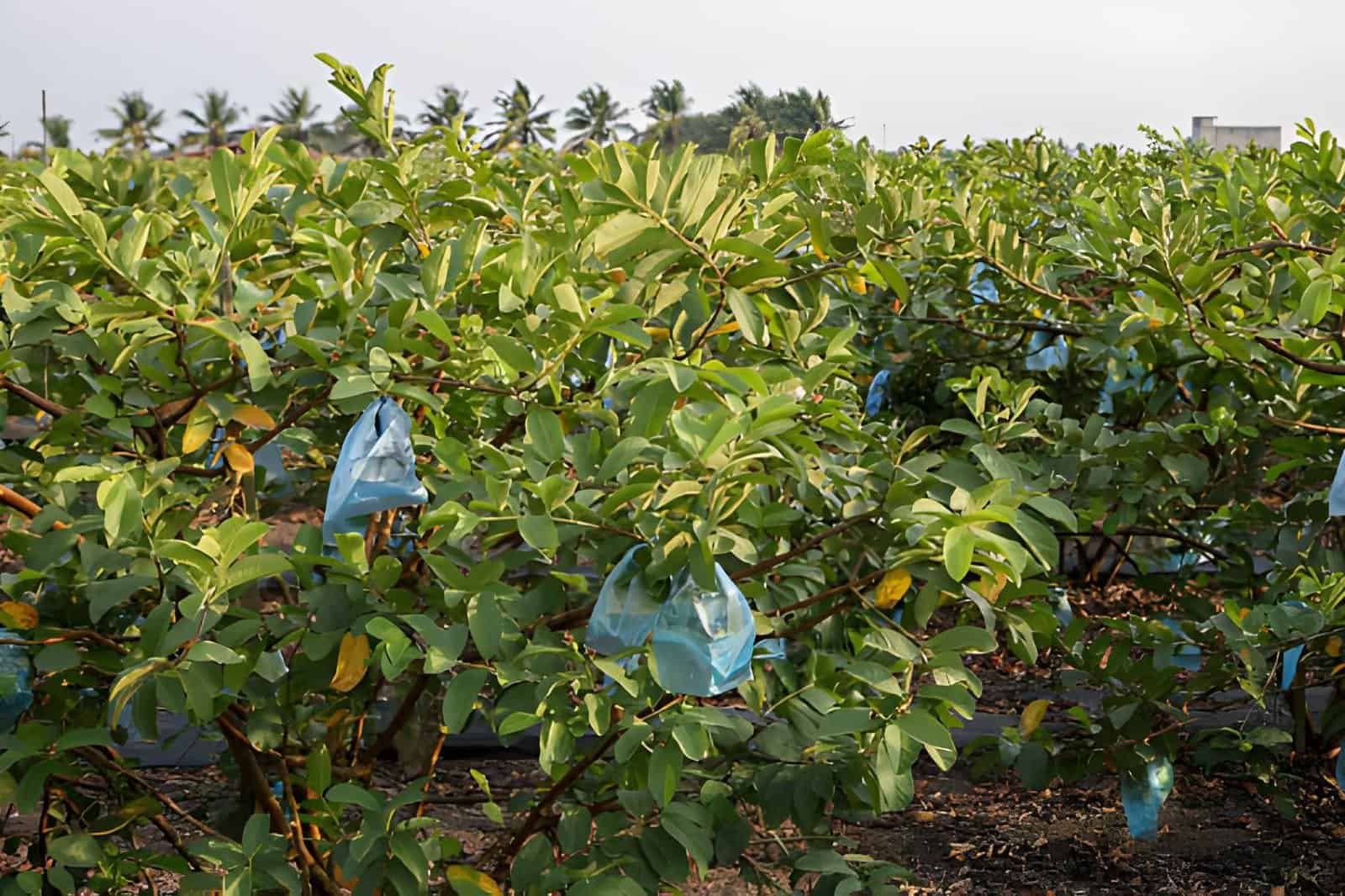
Not long ago, my guava tree looked like it had thrown in the towel. The leaves were dull, the branches felt weak, and the fruit I once looked forward to never showed up. I remember standing there, staring at it, wondering where I went wrong. But instead of giving up, I decided to give it another shot.
I started small—checking the soil, adjusting how I watered it, and paying closer attention to what the tree needed. Day by day, I noticed tiny changes. New leaves began to appear, and slowly, the tree started to look alive again. It wasn’t instant, but it was real progress. If your guava tree is struggling, you’re not alone. I’ve been in the same spot, and I know how frustrating it feels. The good news? With the right steps, you can turn things around.
There’s something enchanting about a guava tree, isn’t there? Its glossy leaves and fragrant blooms promise tropical splendor and a bounty of juicy, sweet fruit. But if your guava tree has seen better days and is now looking more like a shadow of its former self, don’t despair. Reviving it is like breathing life back into a cherished family heirloom—patience, care, and a bit of elbow grease can work wonders.
Here’s your step-by-step guide to restoring your guava tree to its lush, vibrant self.
Step 1: Assess the Situation
Before jumping into action, you need to understand what’s gone awry. Think of this as reading the first chapter of a mystery novel—it sets the stage for everything that follows.
Common Guava Tree Issues:
- Pests: Aphids, scale insects, and whiteflies can wreak havoc.
- Diseases: Fungal and bacterial infections like anthracnose and root rot are common culprits.
- Environmental Stress: Too much or too little water, improper soil conditions, or extreme temperatures.
- Nutrient Deficiencies: Lack of essential nutrients can stunt growth and reduce fruiting.
Step 2: Identify and Treat Pests of Guava Tree
Pests can be the villains in your guava tree’s story. Identifying and treating them early can save your tree from further damage.
Common Pests:
- Aphids: Tiny insects that suck sap from leaves, causing distortion and yellowing.
- Scale Insects: Small, hard shells on branches and leaves that block nutrient flow.
- Whiteflies: Small, white, moth-like insects that cause yellowing leaves and sticky residue.
Treatment Steps:
- Manual Removal: For small infestations, you can simply wipe off pests or use a strong jet of water to dislodge them.
- Insecticidal Soap: Apply a solution of insecticidal soap to affected areas. It’s effective against soft-bodied insects like aphids and whiteflies.
- Neem Oil: Use neem oil for a broader range of pests. It disrupts the life cycle of insects and can also help with fungal problems.
| Pest | Signs | Treatment |
| Aphids | Distorted, yellowing leaves | Insecticidal soap, neem oil |
| Scale Insects | Hard shells on leaves/branches | Scrape off, use insecticidal soap |
| Whiteflies | Sticky residue, yellowing leaves | Neem oil, insecticidal soap |
Step 3: Treat Diseases of Guava Tree
Think of treating diseases as repairing a cherished painting. You want to address the damage and prevent further deterioration.
Common Diseases:
- Anthracnose: This fungal disease causes dark, sunken spots on leaves and fruit.
- Root Rot: Caused by overwatering or poorly-drained soil, it leads to root decay and stunted growth.
Treatment Steps:
- Remove Infected Parts: Prune away diseased branches and leaves to prevent the spread of infection.
- Improve Drainage: Ensure your soil drains well. Amend clay-heavy soils with organic matter to improve aeration.
- Fungicides: Apply a fungicide specifically for the disease you’re dealing with. Follow label instructions carefully.
| Disease | Signs | Treatment |
| Anthracnose | Dark spots on leaves and fruit | Remove infected parts, apply fungicide |
| Root Rot | Wilting, yellowing, poor growth | Improve drainage, use fungicides |
| Read on: How To Take Care Sunflowers in a Vase (Easy Guide) |
Step 4: Optimize Soil and Watering
Proper soil and watering are the bread and butter of plant care. Think of them as the foundation and fuel for your guava tree’s recovery.
Soil Tips:
- Test Soil: Use a soil test kit to check pH and nutrient levels. Guava trees prefer slightly acidic to neutral soil (pH 5.5 to 7.0).
- Improve Soil Structure: Add organic matter like compost to enhance soil fertility and drainage.
Watering Tips:
- Consistent Moisture: Water deeply but infrequently. Allow the top inch of soil to dry out between waterings.
- Avoid Waterlogging: Ensure good drainage to prevent root rot. Raised beds or containers can help if you have heavy soil.
| Soil Condition | Signs | Improvement Method |
| Heavy Clay | Poor drainage, water pooling | Amend with compost or organic matter |
| Nutrient Deficiency | Stunted growth, yellow leaves | Add balanced fertilizer |
Step 5: Prune for Health of Guava Tree
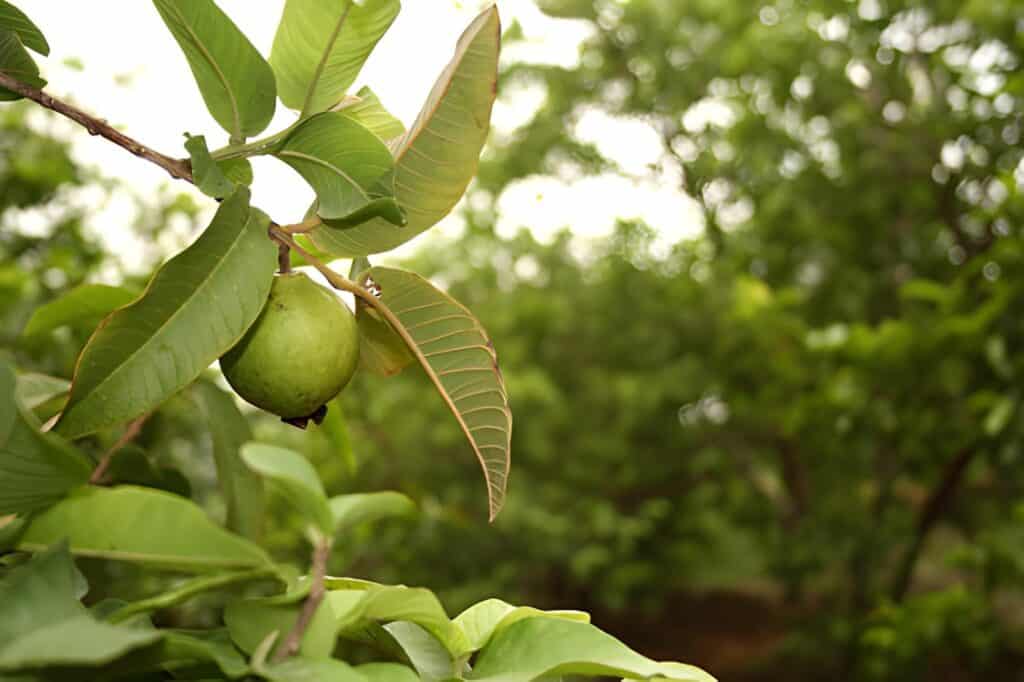
Pruning your guava tree is like giving it a fresh haircut. It helps in removing damaged parts and encouraging new growth.
Pruning Tips:
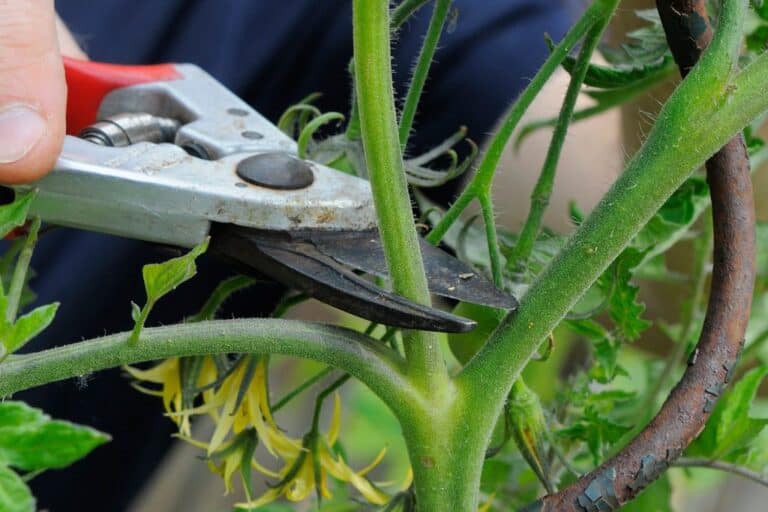
- Remove Dead or Diseased Wood: Cut back any branches that are dead, diseased, or infested with pests.
- Shape the Tree: Thin out crowded areas to improve air circulation and light penetration. This helps in preventing diseases and promotes healthy growth.
| Pruning Action | Benefits |
| Remove dead/diseased wood | Prevents disease spread, encourages healthy growth |
| Thin out crowded branches | Improves air circulation, light penetration |
| Read on: How to Revive a Weak Lilac Tree |
Step 6: Fertilization for Guava Tree Growth
Fertilizing is like giving your guava tree a nutrient-rich meal. It helps in boosting its overall health and fruit production.
Fertilizing Tips:
- Use a Balanced Fertilizer: Apply a balanced, slow-release fertilizer with a ratio like 10-10-10. This ensures your tree gets a mix of essential nutrients.
- Apply Regularly: Fertilize every 6-8 weeks during the growing season. Avoid over-fertilizing, which can lead to excessive leaf growth at the expense of fruiting.
| Fertilizer Type | Benefits | Application Timing |
| Balanced (10-10-10) | Provides essential nutrients | Every 6-8 weeks during growing season |

Step 7: Protect from Environmental Stress
Environmental stressors are like plot twists in your tree’s life story. Protecting your guava tree from these challenges can keep it thriving.
Protection Tips:
- Shield from Extreme Weather: During heatwaves or frosts, provide temporary protection with shade cloths or frost covers.
- Avoid Physical Damage: Keep the area around the tree free from foot traffic and heavy equipment to prevent soil compaction and root damage.
Step 8: Monitor and Maintain
Keeping an eye on your guava tree is like following the plot of a novel. Regular monitoring helps you catch any issues early and ensure the tree stays on the right track.
Maintenance Tips:
- Inspect Regularly: Look for signs of pests, diseases, or environmental stress. Early detection can prevent more serious issues.
- Adjust Care as Needed: Be prepared to adjust your care routine based on your tree’s response and changing conditions.
Conclusion: A Thriving Guava Tree
Reviving a struggling guava tree is a journey that requires patience, knowledge, and a bit of hands-on care. By assessing the situation, treating pests and diseases, optimizing soil and watering practices, pruning thoughtfully, and providing proper nutrients and protection, you can restore your guava tree to its lush, fruitful glory.
So roll up your sleeves, grab your gardening tools, and dive into this revival project with enthusiasm. Your guava tree will soon reward your efforts with vibrant green foliage and a bountiful harvest of delicious, tropical fruit.