How to Revive a Dogwood Tree: Proven Tips for a Healthier Plant

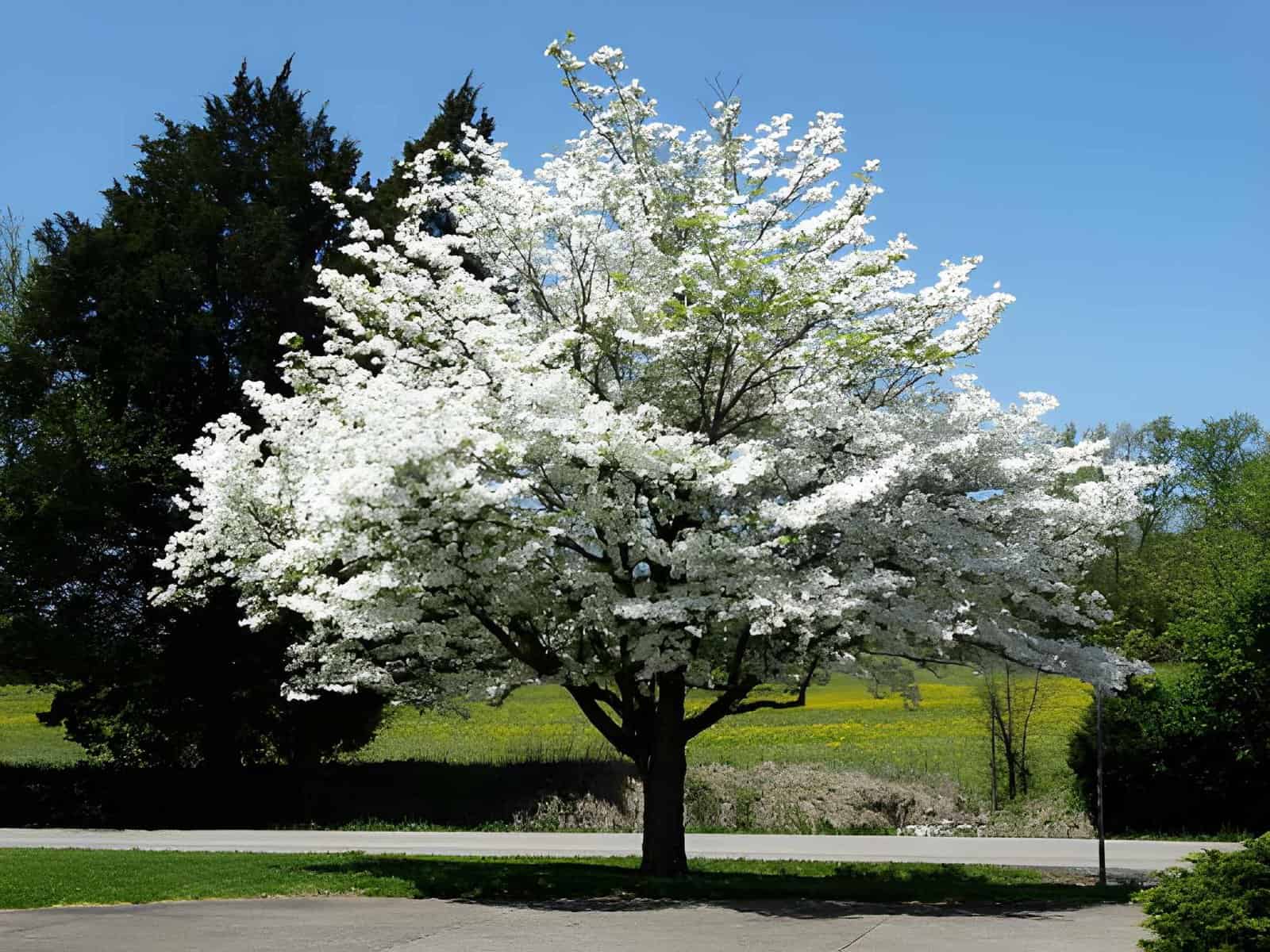
I still remember the day I realized my dogwood tree was in trouble. The leaves looked tired, the branches seemed brittle, and the whole tree gave off that quiet “I’m not okay” vibe. It used to be the star of my yard—like the lead singer in a band—but suddenly, it barely made a sound.
At first, I felt stuck. Do I leave it alone? Do I cut it down? Or do I roll up my sleeves and try to fix it?
I chose the third option—and honestly, it turned into one of the most rewarding gardening experiences I’ve had.
If your dogwood tree looks like it’s hanging by a thread, don’t throw in the towel just yet. Let me walk you through exactly how I brought mine back from the brink.
Step One: Reading the Warning Signs of Dogwood Tree
Before I grabbed any tools, I had to figure out what went wrong. Plants don’t shout—they whisper. You just have to listen.
Here’s what I noticed:
- Leaves turning yellow and dropping early
- Branch tips drying out
- Uneven growth and thinning canopy
I treated it like a diagnosis.
Quick Symptom Guide
| Symptom | Likely Cause |
| Yellow leaves | Overwatering or nutrient issues |
| Wilting leaves | Underwatering or root stress |
| Dark spots | Fungal disease |
| Branch dieback | Pest damage or disease |
Once I connected the dots, everything started to click. The tree wasn’t dying—it was asking for help.
Step Two: Pruning Dogwood Tree Without Fear
I won’t lie—pruning felt like cutting into something I cared about. But sometimes, you have to lose a few branches to save the whole tree.
So I grabbed my shears and got to work.
What I Removed:
- Dead branches (dry, brittle, no green inside)
- Diseased wood (discolored or spotted)
- Crowded areas blocking airflow
How I Did It:
- Clean cuts just above a bud
- No tearing or jagged edges
- Took it slow—no more than one-third at a time
Why It Works
Pruning clears the traffic jam. It lets sunlight and air reach the inner branches and tells the tree, “Focus your energy where it matters.”
Afterward, my tree looked a bit bare—but that’s the calm before the comeback.
| Read on: Cornus Alba ‘Bailhalo’ (Ivory Halo Dogwood) Care and Growing Guide |
Step Three: Fixing the Soil (My Biggest Wake-Up Call)
Here’s the truth I had to face: I had been ignoring the soil.
And soil? That’s everything.
Dogwood trees prefer:
- Slightly acidic soil
- Good drainage
- Rich organic matter
What I Changed:
- Mixed in compost to boost nutrients
- Broke up compacted soil
- Improved drainage so roots could breathe
Soil Health Snapshot
| Soil Condition | Effect on Tree |
| Too compact | Roots suffocate |
| Poor drainage | Root rot risk |
| Low nutrients | Weak growth |
Once I fixed the soil, it felt like I had finally given the tree a proper foundation.
Step Four: Watering Dogwood Tree Smarter, Not Harder
Watering used to be my guessing game. Too much one week, too little the next.
So I simplified it.
My New Routine:
- Check top 1 inch of soil
- Dry? Water deeply
- Moist? Leave it alone
Key Insight:
Consistency beats intensity.
I stopped flooding the roots and started giving them steady, reliable hydration. That shift alone made a noticeable difference.
| Related: The Complete Care for Cardinal Red-Twig Dogwood (Cornus Sericea ‘Cardinal’) |
Step Five: Feeding of Dogwood Tree the Right Way
Once the tree stabilized, I gave it a nutrient boost—but carefully.
What I Used:
- Balanced slow-release fertilizer (10-10-10)
When I Applied:
- Early spring (growth kickstart)
- Mid-summer (maintenance boost)
Why It Matters
Think of fertilizer like a multivitamin. It fills in the gaps, but too much can backfire.
| Too Little | Too Much |
| Weak growth | Leaf burn |
| Pale leaves | Salt buildup |
I kept it light and consistent—and the tree responded.
Step Six: Mulching and Protection of Dogwood Tree
Mulch became my secret weapon.
I spread a layer of organic mulch around the base—like tucking the roots in with a blanket.
Benefits I Noticed:
- Soil stayed moist longer
- Fewer weeds
- More stable temperature
Mulching Tips:
- Keep mulch a few inches away from the trunk
- Use natural materials like bark or wood chips
Step Seven: Light and Placement
Dogwoods can be a bit picky about light. Too much harsh sun, and they struggle. Too little, and they sulk.
Ideal Setup:
- Morning sun
- Afternoon shade
I didn’t move my tree, but I trimmed nearby plants that blocked light. That small tweak made a big difference.
Step Eight: Protecting Against Stress
Trees don’t like extremes—whether it’s scorching heat or biting cold.
So I started thinking ahead.
What I Do Now:
- Add mulch before winter
- Water during dry spells
- Watch for sudden weather changes
It’s like preparing for a storm—you don’t wait until it hits.
Ongoing Care: Keeping an Eye on Dogwood Tree
Recovery doesn’t happen overnight. I checked my tree regularly for my dogwood tree care, looking for signs of progress.
Good Signs:
- New leaf buds
- Greener foliage
- Stronger branches
Warning Signs:
- Continued leaf drop
- New spots or discoloration
- No growth at all
Every small improvement felt like a win.
What This Tree Taught Me
This whole process changed how I see gardening.
I used to think plants needed constant attention. Turns out, they need the right attention.
Here’s what stuck with me:
- Don’t rush the process
- Fix the root cause, not just symptoms
- Small, consistent care beats big, random effort
And maybe the biggest lesson?
A struggling tree isn’t failing—it’s adapting.

Quick Recovery Checklist
If your dogwood looks like it’s on its last legs, here’s your game plan:
- ✔ Inspect leaves, branches, and roots
- ✔ Prune dead or diseased wood
- ✔ Improve soil quality and drainage
- ✔ Water consistently (not excessively)
- ✔ Fertilize in moderation
- ✔ Add mulch for protection
- ✔ Monitor sunlight exposure
The Comeback Moment
I’ll never forget when I saw the first fresh leaves return. Bright, alive, and full of promise.
It felt like the tree was saying, “I’m back.”
Now, my dogwood stands tall again—not perfect, but resilient. And honestly, that makes it even more beautiful.
Final Thoughts: Growth Takes Grit
Reviving my dogwood tree wasn’t just about gardening—it was about patience, persistence, and paying attention to the little things.
If your tree looks like it’s struggling, don’t give up too soon. With the right care and a bit of time, you might just witness your own comeback story.Because in the garden—as in life—
sometimes the strongest growth comes after the hardest season.