Crimson King Norway Maple: How I Grow This Regal Tree for Bold Color in My Garden

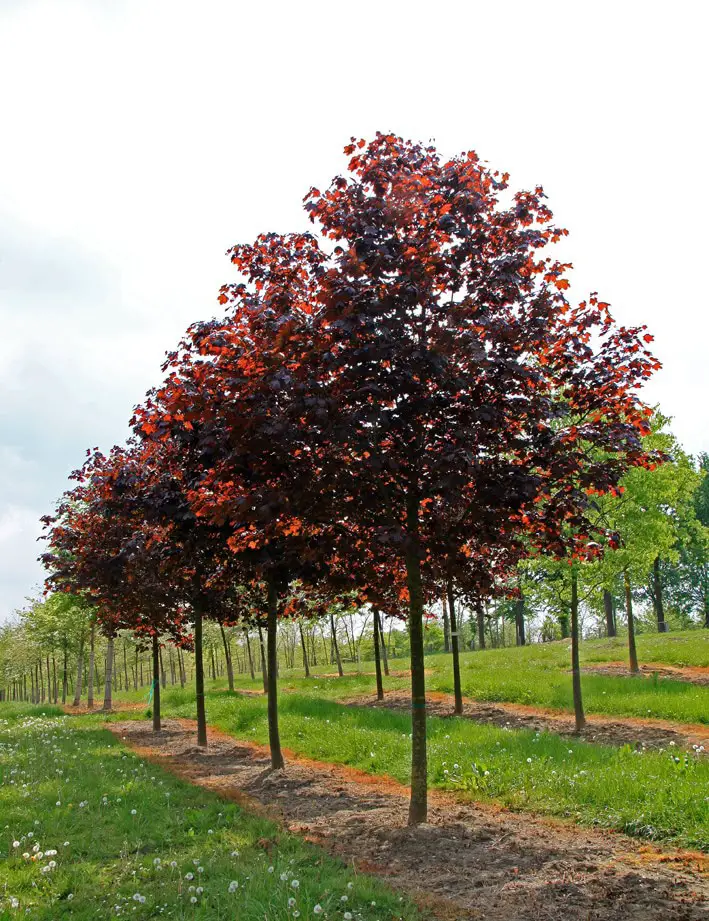
Every garden needs a showstopper—a plant that stops people mid-stride and makes them say, “Whoa, what is that?”
For me, that role belongs to Crimson King Norway Maple.
The first time I saw one, I felt like someone had splashed burgundy paint across the sky. While most trees wear green like a uniform, this maple marches to the beat of a different drum with deep red foliage that lasts most of the season.
It’s bold, dramatic, and surprisingly easy to grow.
In this guide, I’ll share exactly how I grow and care for this striking maple tree, along with the lessons I’ve learned along the way.
Why I Planted a Crimson King Maple
Let’s face it—most landscapes look like a sea of green.
Green lawn.
Green shrubs.
Green trees.
Then along comes this maple with rich maroon leaves, and suddenly the entire garden feels like someone turned up the color saturation.
Here’s why I decided to plant one:
- It creates instant visual contrast
- It grows into a large shade tree
- It requires relatively low maintenance
- It tolerates different soil types
- It adds structure and elegance to landscapes
If trees were royalty, this one would wear a velvet robe and carry a crown.
Quick Overview of the Crimson King Maple
Before diving deeper, here’s a simple snapshot of the tree.
| Feature | Details |
| Botanical Name | Acer platanoides ‘Crimson King’ |
| Plant Type | Deciduous shade tree |
| Mature Height | 30–40 ft |
| Mature Width | 20–40 ft |
| Growth Rate | Moderate |
| Sun Needs | Full sun to partial sun |
| Soil Needs | Moist, well-draining soil |
| Foliage Color | Deep burgundy / red |
Think of it as a giant burgundy umbrella shading your garden.
Related: Crimson Pygmy Dwarf Japanese Barberry: Plant Care and Growing Guide
The Tree’s Botanical Background
The Crimson King maple belongs to the genus Acer, which includes hundreds of maple species.
Its full botanical name comes from Acer platanoides, commonly called the Norway maple.
This species originates from Northeastern Europe, where cool climates and seasonal changes shape the natural landscape.
Knowing where a plant comes from helps a lot when growing it successfully. Plants carry their homeland habits like old traditions—they thrive when conditions feel familiar.
Growth Habit: A Tree That Means Business
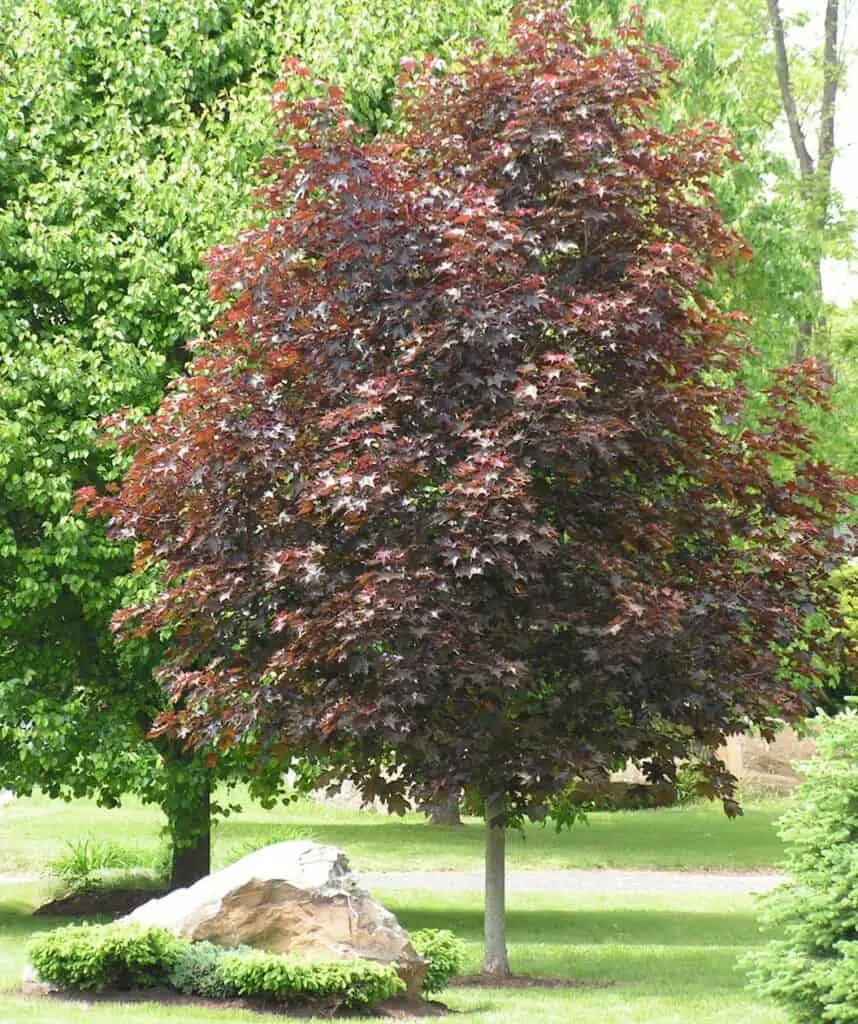
When I planted my Crimson King maple, I knew it would grow large—but I still underestimated how impressive it would become.
Mature Size
| Dimension | Size |
| Height | 30–40 ft |
| Width | 20–40 ft |
That means this tree eventually becomes a full-fledged shade provider.
The canopy forms a broad rounded crown, perfect for:
- backyard shade
- large landscapes
- focal points in parks or gardens
I planted mine toward the edge of the yard so it could stretch its branches without bumping elbows with the house.
Trees need breathing room just like people do.
Watering: Finding the Sweet Spot
Watering this maple requires a bit of balance.
Too little water stresses the tree. Too much water can suffocate the roots.
I aim for consistent but moderate moisture.
My Watering Routine
- Water deeply but infrequently
- Let the topsoil dry slightly between watering
- Increase watering during hot summers
A simple trick I rely on is the classic finger test.
Stick your finger into the soil about two inches deep.
- Moist → skip watering
- Dry → time to water
This method works like a charm and prevents overwatering.
Soil: Where Healthy Roots Begin
Healthy soil builds healthy trees.
The Crimson King maple adapts well to many soil types, but it performs best in moist, well-draining soil.
Ideal Soil Components
| Soil Type | Benefit |
| Loam | Retains nutrients |
| Clay | Holds moisture |
| Sand | Improves drainage |
| Chalk | Adds mineral content |
The tree tolerates several pH levels:
- acidic
- neutral
- alkaline
In other words, it’s not picky. It’s like a traveler who can eat at almost any restaurant without complaining.
Read: Growing Japanese Maples for Profit: A Guide for Growers
Sunlight: Let the Leaves Shine
Sunlight plays a huge role in that signature crimson color.
Ideal Light Conditions
| Light Level | Sun Exposure |
| Full sun | 6+ hours daily |
| Partial sun | 2–6 hours daily |
In full sun, the leaves develop their deepest red tones.
When planted in heavy shade, the foliage sometimes turns duller.
I planted mine in an open area where the tree enjoys sunshine most of the day. The result? Leaves so rich they look like polished mahogany.

Seasonal Changes: A Year in the Life of This Tree
One of the joys of growing a deciduous tree is watching it change throughout the seasons.
Here’s how the Crimson King behaves across the year.
| Season | What Happens |
| Spring | Small yellow flowers appear |
| Summer | Deep burgundy foliage dominates |
| Autumn | Leaves drop after a colorful display |
| Winter | Bare branches reveal the tree’s structure |
Even without leaves, the branching pattern creates a beautiful winter silhouette.
It’s like seeing the skeleton of a grand cathedral.
Flowers: Small but Interesting
While the foliage steals the spotlight, the tree also produces spring flowers.
From April to June, clusters of small blooms appear.
They usually feature:
- yellow tones
- greenish shades
- subtle golden hues
These flowers aren’t dramatic, but they signal that the tree is waking up from winter.
Think of them as nature’s opening act before the foliage show begins.
The Star Attraction: Burgundy Foliage
Let’s be honest—the leaves are why people plant this tree.
Each leaf grows more than six inches across, creating bold texture in the canopy.
What Makes Them Special
- Deep crimson color
- Classic maple leaf shape
- Dense canopy for shade
On sunny days, the tree looks like a cloud of burgundy velvet floating above the lawn.
Toughness and Tolerance
This maple earns extra points for resilience.
Once established, it handles several challenges surprisingly well.
Natural Strengths
- tolerates drought conditions
- adapts to various soils
- handles urban environments
That toughness makes it popular in city landscapes and parks.
Continue: Best Way to Collect Acorns: 6 Simple Acorn Cleanup Tips
Best Uses in the Garden
A tree this dramatic deserves the right stage.
Garden Styles That Work Well
- contemporary gardens
- rustic landscapes
- cottage gardens
- prairie-style plantings
Ideal Locations
- specimen tree in lawns
- shade tree for patios
- woodland garden feature
- border or landscape anchor
In my yard, it acts like a visual anchor, tying the entire landscape together.
Companion Plants That Pair Well
Pairing trees with the right companions creates visual harmony.
Two plants that work beautifully alongside this maple are:
- Picea
- Pinus
Why they work:
| Companion | Benefit |
| Picea (spruce) | Adds evergreen contrast |
| Pinus (pine) | Provides texture and height variation |
The mix of evergreen green and crimson leaves creates a striking color contrast.
My Personal Tips for Growing a Healthy Crimson King
After caring for this tree for several years, I’ve learned a few practical lessons.
Tips That Work for Me
- Plant it where it has room to grow.
- Water deeply during the first few years.
- Mulch around the base to retain moisture.
- Avoid planting too close to buildings.
- Prune lightly only when needed.
This tree naturally develops a beautiful shape, so heavy pruning rarely becomes necessary.
Sometimes the best gardening move is simply letting nature do its thing.
Final Thoughts
The Crimson King Norway Maple brings drama, shade, and elegance to any landscape.
Its strengths include:
- striking burgundy foliage
- large shade canopy
- adaptability to different soils
- relatively easy maintenance
In my garden, it stands tall like a burgundy lighthouse, guiding the eye across the landscape.
Plant one in the right spot, give it sunlight and reasonable care, and it will reward you with decades of beauty.
And every time the sunlight hits those crimson leaves, you’ll feel like you planted a piece of autumn that never quite fades. 🍁