Purity Pieris Care Guide: The Elegant Evergreen That Quietly Steals the Spotlight

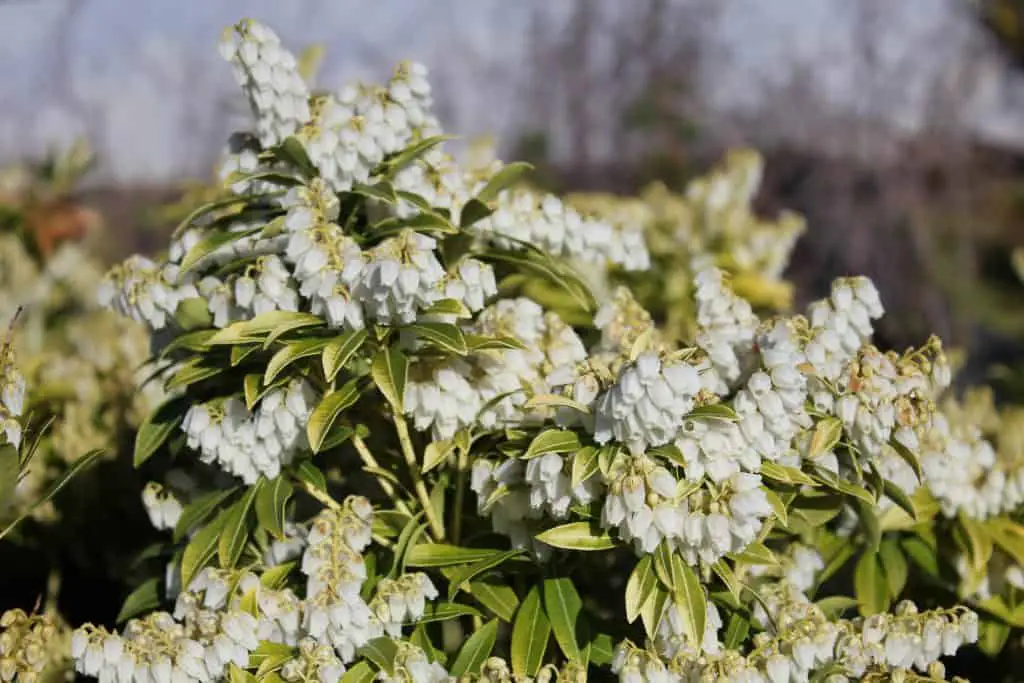
Some plants kick the garden door open like they own the place. Others slip in quietly, pour themselves a cup of tea, and somehow become everyone’s favorite part of the landscape.
That’s exactly how I feel about the Purity Pieris.
The first time I planted one, I honestly underestimated it. The shrub looked small, compact, and almost shy sitting beside louder plants in the nursery. But after one growing season, it completely changed the mood of my garden. Its glossy evergreen foliage, delicate flowers, and calm presence gave the space a polished, almost storybook-like feel.
It didn’t scream for attention. It didn’t need fireworks. It simply showed up every day looking elegant.
And sometimes, that’s far more powerful.
If you’re searching for a low-maintenance evergreen shrub that works beautifully in cottage gardens, woodland spaces, containers, or zen-inspired landscapes, the Purity Pieris deserves a spot on your shortlist.
Let me walk you through everything I’ve learned about growing and caring for this underrated gem.
Meet the Purity Pieris
The botanical name for this shrub is Pieris japonica ‘Purity’. Despite some confusing plant labels floating around online, this evergreen shrub belongs to the Ericaceae family, not the pine family.
Gardeners love this plant for several reasons:
- Elegant evergreen foliage
- Long-lasting blooms
- Compact growth habit
- Low maintenance nature
- Deer resistance
- Year-round structure
Honestly, it feels like the introvert of the garden world. Quiet. Refined. Dependable.
And once spring arrives? It suddenly flips the switch and puts on a floral performance worthy of applause.
| Post on: Dwarf Mugo Pine (Pinus Mugo Variety Pumilio) Care and Growing Guide |
Why I Fell in Love With This Shrub
I’ve planted plenty of shrubs over the years, but the Purity Pieris earned my respect surprisingly fast.
Some plants behave like toddlers after too much sugar — dramatic, demanding, and impossible to ignore. The Purity Pieris acts more like a seasoned orchestra conductor. Calm hands. Steady rhythm. Everything in balance.
What really hooked me was its ability to stay attractive all year long.
Even during gloomy winter months, when most gardens look tired and half-asleep, this shrub keeps its glossy green foliage intact like it never got the memo about seasonal decline.
That reliability matters more than people think.
A Quick Snapshot of the Plant
| Feature | Details |
| Botanical Name | Pieris japonica ‘Purity’ |
| Plant Type | Evergreen Shrub |
| Mature Height | 1–2 feet |
| Mature Width | 1–2 feet |
| Growth Rate | Slow |
| Sun Needs | Partial sun to full sun |
| Water Needs | Moderate |
| Best Feature | Elegant white blooms |
| Deer Resistance | Yes |
| Garden Styles | Cottage, woodland, zen, coastal |
Compact shrubs like this often become the glue that holds a garden together.
Size and Growth: Small but Full of Personality
One thing I appreciate about Purity Pieris is its manageable size.
It grows slowly, which means you won’t wake up one morning and realize your shrub swallowed the walkway overnight.
Mature Size
| Measurement | Average Size |
| Height | 1–2 feet |
| Width | 1–2 feet |
| Shape | Rounded and compact |
That tidy shape makes it perfect for:
- Small gardens
- Borders
- Containers
- Foundation planting
- Woodland gardens
I especially love using it near pathways where people can appreciate the foliage and flowers up close.
Sometimes the smallest plants carry the biggest impact, like a quiet actor stealing every scene in a movie.
Sunlight: The Sweet Spot Matters
Unlike some sun-hungry shrubs that demand center stage all day long, Purity Pieris appreciates a little balance.
Think of it as someone who enjoys sunshine but also values a good umbrella.
Ideal Lighting Conditions
The shrub performs best in:
- Partial sun
- Morning sunlight
- Afternoon shade
- Filtered light beneath taller trees
It can tolerate full sun in cooler climates, but harsh afternoon heat can scorch the leaves in warmer regions.
When I planted mine in an area with gentle morning sun and dappled afternoon shade, it absolutely thrived.
Recommended Exposure
| Light Level | Performance |
| Full Shade | Poor |
| Partial Sun | Excellent |
| Full Sun | Good with enough moisture |
Finding that middle ground works wonders.
Watering: Keep the Soil Moist, Not Muddy
The Purity Pieris likes consistency.
Not drought-level neglect. Not swamp conditions either.
Just steady moisture.
I water mine about once a week during mild weather and increase watering during summer heat waves.
My Watering Routine
| Season | Frequency |
| Spring | Once weekly |
| Summer | 1–2 times weekly |
| Fall | Once weekly |
| Winter | Only during dry periods |
The key lies in avoiding extremes.
Too much water suffocates the roots. Too little water stresses the shrub and weakens flowering.
The Finger Test Still Wins
I still rely on the classic gardener’s trick:
- Stick your finger into the soil.
- Feel the moisture level.
- Water only if the soil feels dry below the surface.
Simple habits often outperform expensive gadgets.
| Check out: Why Pine Needles Make the Best Garden Mulch |
Soil: Drainage Makes All the Difference
If you ignore the soil, the plant eventually sends you the bill.
Purity Pieris prefers:
- Well-draining soil
- Moist but airy conditions
- Rich organic matter
Ideal Soil Mix
I usually recommend:
- Loam
- Sand
- A little clay
- Compost or organic matter
That combination creates the perfect balance between moisture retention and drainage.
Soil Preferences at a Glance
| Soil Trait | Preference |
| Drainage | Excellent |
| Texture | Loamy |
| Moisture | Consistently moist |
| pH | Slightly acidic to neutral |
Healthy soil acts like a good mattress for roots — supportive, breathable, and comfortable.
Evergreen Foliage That Carries the Garden Year-Round
One reason gardeners adore Purity Pieris comes down to simple math:
Evergreen shrubs work overtime.
While perennials disappear in winter and annuals wave the white flag after frost, evergreen shrubs keep the garden alive.
The foliage stays lush and green throughout the year, adding structure and color when everything else looks tired.
Foliage Details
- Glossy green leaves
- Compact growth habit
- Dense branching
- Evergreen year-round
Its leaves create a polished, refined texture that works beautifully beside rough stone, mulch, or gravel.

The Flowers Are the Real Headliners
If the foliage plays backup guitar, the flowers absolutely take center stage.
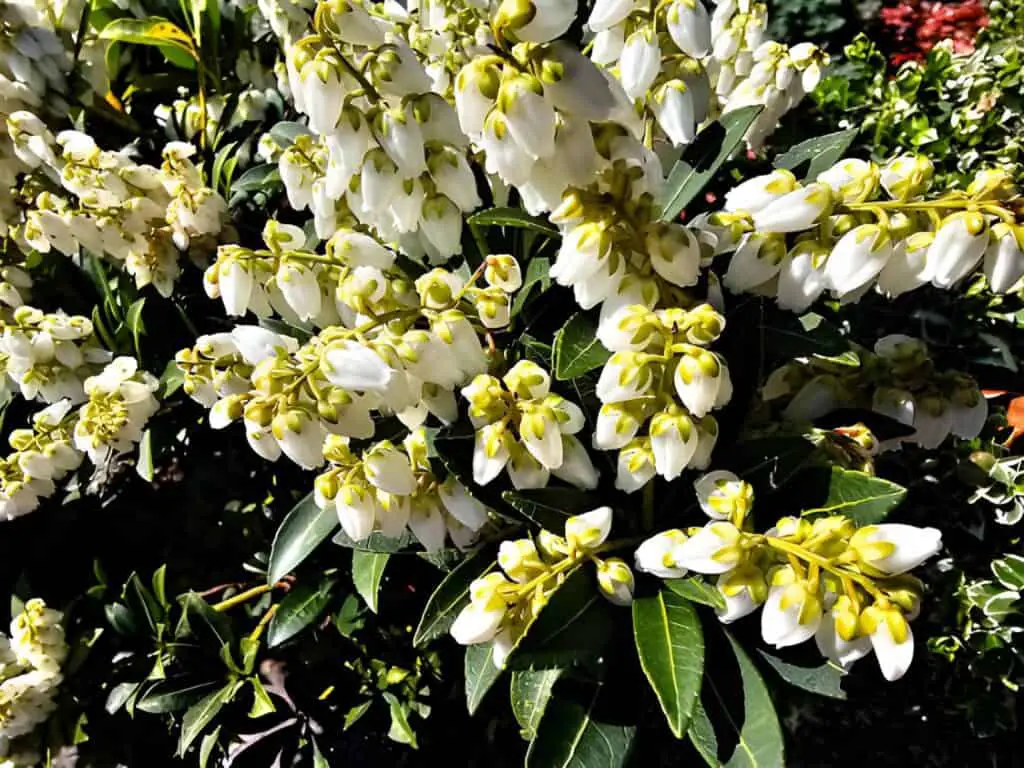
Purity Pieris produces elegant white blooms that hang like tiny lanterns across the shrub during spring.
And honestly? They look magical.
Bloom Characteristics
| Feature | Description |
| Flower Color | White |
| Bloom Season | Spring |
| Bloom Style | Clusters of bell-shaped flowers |
| Visual Impact | Showy and elegant |
When mine blooms, the whole garden suddenly feels brighter. The flowers almost glow against the evergreen foliage.
Nature really knows how to work a spotlight.
| Related: From Wilting to Thriving: How to Revive Your Pine Tree Plant |
Deer Resistance: A Huge Bonus
If deer wander through your neighborhood like uninvited wedding guests, you’ll appreciate this shrub even more.
Purity Pieris shows strong resistance to:
- Deer
- Mild drought conditions
That doesn’t mean wildlife completely ignores it, but compared to softer shrubs, it usually stays lower on the menu.
And trust me, any plant that survives deer pressure earns instant respect in my book.
Where Purity Pieris Looks Best in the Garden
This shrub slides into multiple garden styles effortlessly.
My Favorite Placements
| Garden Style | Why It Works |
| Cottage Gardens | Soft romantic appearance |
| Woodland Gardens | Loves filtered light |
| Zen Gardens | Calm, structured shape |
| Coastal Gardens | Tough evergreen foliage |
| Urban Gardens | Compact size |
I especially love using it in layered borders where taller shrubs provide shade while the Purity Pieris fills the foreground.
Its compact shape acts like a visual anchor without overpowering nearby plants.
Companion Plants That Pair Beautifully
Great gardens rely on teamwork.
Purity Pieris pairs beautifully with plants that share similar growing conditions and complementary textures.
My Favorite Companion Plants
Mahonia
The bold foliage contrasts beautifully against the softer Pieris leaves.
Rhododendron
Together, they create a woodland garden that looks straight out of a painting.
Other strong companions include:
- Ferns
- Hostas
- Heuchera
- Camellias
- Azaleas
Mixing textures keeps the landscape visually interesting without turning it into chaos.
Common Mistakes I See Gardeners Make
Even low-maintenance shrubs can struggle if planted incorrectly.
Here are the biggest mistakes people make with Purity Pieris:
1. Planting in Heavy Wet Soil
Poor drainage invites root rot fast.
2. Too Much Harsh Sun
Hot afternoon sun can scorch the foliage.
3. Letting the Soil Dry Completely
This shrub prefers steady moisture.
4. Ignoring Soil Quality
Healthy roots need organic-rich soil.
5. Overcrowding
Even compact shrubs need airflow and space.
Sometimes gardeners treat shrubs like furniture and cram them wherever space exists. Plants appreciate breathing room too.
My Final Thoughts on Growing Purity Pieris
The older I get as a gardener, the more I appreciate plants that deliver beauty without endless maintenance.
Purity Pieris does exactly that.
It offers:
- Evergreen structure
- Elegant spring flowers
- Compact growth
- Deer resistance
- Four-season interest
And it accomplishes all of that without acting high-maintenance.
If you give it:
- Partial sun
- Moist, well-draining soil
- Consistent watering
…it rewards you with years of quiet elegance.
And honestly, every garden needs at least one plant like that — a calm, steady presence that holds everything together while flashier plants come and go like passing trends.