Porcupine Grass (Miscanthus sinensis ‘Strictus’): My Complete Plant Care and Growing Guide

I’ve always had a soft spot for ornamental grasses. They bring movement, texture, and a little wildness to a garden without asking for the constant attention that some flowering plants demand. Porcupine Grass (Miscanthus sinensis ‘Strictus’) is one of my favorites because it manages to make a statement without becoming a high-maintenance diva.
You may know this grass by several names, including Maiden Grass ‘Strictus,’ Eulalia ‘Strictus,’ Chinese Silver Grass ‘Strictus,’ Japanese Silver Grass ‘Strictus,’ or simply Porcupine Grass. Whatever name you use, the plant is hard to miss once it gets established. Its tall, upright foliage creates a strong vertical accent, while its distinctive green leaves add plenty of texture.
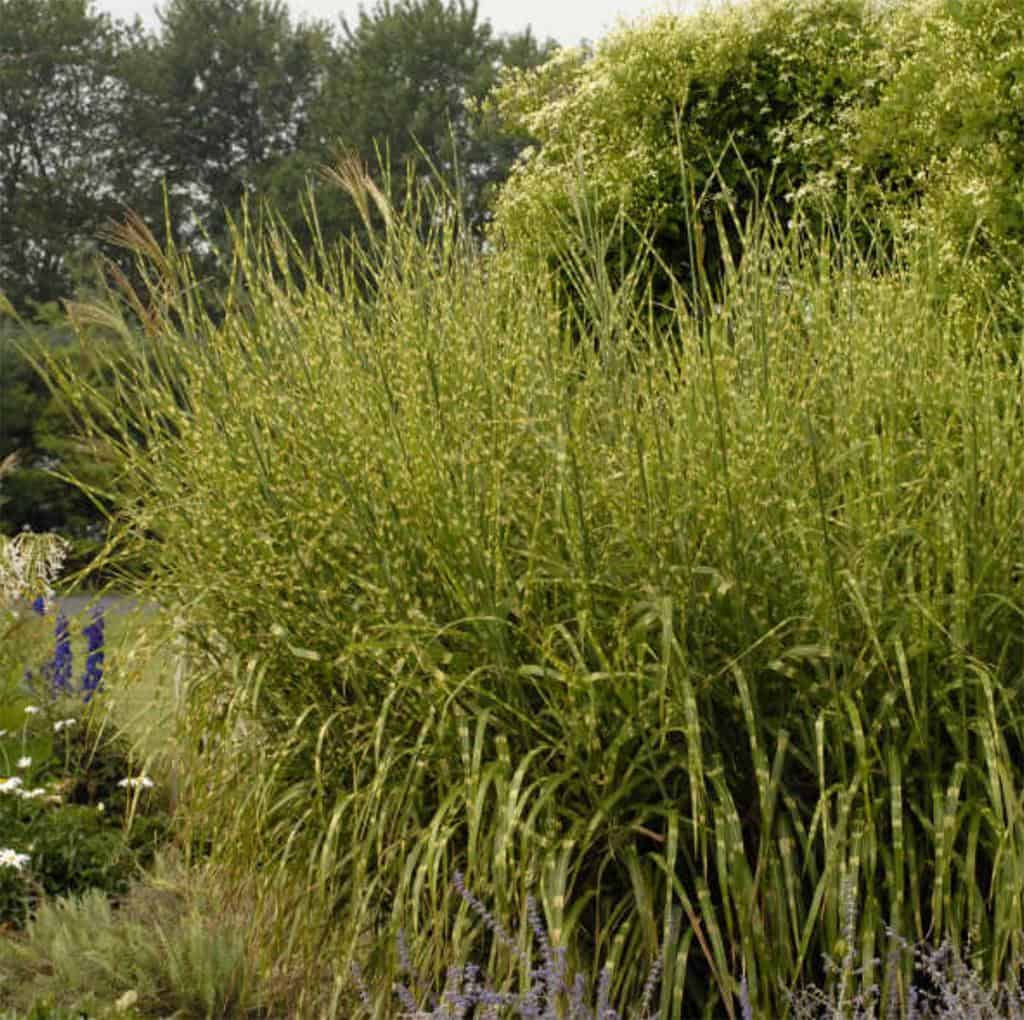
What really catches my eye, though, is its striped appearance. The leaves develop attractive horizontal bands that give the clump a slightly exotic, almost zebra-like look. When the flower plumes arrive toward the end of the growing season, the whole plant takes on another personality.
The good news? I don’t need to fuss over it constantly. Once I give Porcupine Grass the right amount of sunlight, sensible watering, and well-draining soil, it largely takes care of business on its own.
Here’s how I approach growing this striking ornamental grass.
Porcupine Grass Care at a Glance
Before I get into the weeds—literally—I like to reduce plant care to the essentials.
| Care Requirement | What Porcupine Grass Needs |
| Botanical name | Miscanthus sinensis ‘Strictus’ |
| Light | Full sun |
| Water | Regular moisture while establishing; avoid soggy soil |
| Soil | Moist but well-draining |
| Soil types | Clay, loam, sand, or mixed well-drained soil |
| Growth rate | Moderate |
| Mature size | About 6–8 ft tall and 3–5 ft wide |
| Form | Upright, narrow, clumping |
| Hardiness | Approximately USDA Zones 5–9 |
| Flowers | Late summer through fall |
| Foliage | Green, horizontally banded leaves |
| Wildlife | Attracts birds |
| Special tolerances | Some salt, deer, and rabbit tolerance |
If I remember those basics, I’m already halfway to growing a healthy plant.
Getting to Know Miscanthus sinensis ‘Strictus’
Porcupine Grass belongs to the Poaceae family, the enormous grass family that includes everything from lawn grasses to bamboo and ornamental favorites.
Its botanical name is Miscanthus sinensis ‘Strictus’. The species Miscanthus sinensis originates from parts of East Asia, while ‘Strictus’ refers to this particular cultivated form.
One thing I appreciate about this plant is its seasonal rhythm. It’s a herbaceous ornamental grass, so the foliage eventually dies back in colder weather rather than remaining evergreen throughout the winter. I don’t see that as a drawback. In fact, I think the dried foliage and seed heads can add plenty of winter character before I cut the plant back in late winter or early spring.
It’s almost like the plant clocks out for the season, rests underground, and then comes roaring back when warm weather returns.
Where Does Porcupine Grass Grow Best?
The species comes from China, Korea, and Japan, which gives me a useful clue about its preferred growing conditions.
I always find a plant’s origins fascinating because they tell me something about its personality. A plant that evolved in sunny, seasonal environments will naturally have different expectations from one that grew beneath a tropical forest canopy.
Porcupine Grass generally performs well across a broad range of temperate climates and is commonly grown in approximately USDA hardiness zones 5 through 9.
It can handle cold winters, but I still consider local conditions. Soil drainage, summer heat, humidity, wind, and available sunlight can all influence how well it performs.
If I plant it in a location that resembles its preferred environment—sunny, open, and well drained—I give it a much better chance to hit the ground running.
How Big Does Porcupine Grass Get?
This is one detail I never ignore when planning a garden.
A young Porcupine Grass plant can look innocent enough at the garden center. Give it time, however, and that little clump can become a substantial architectural feature.
Under good conditions, it can reach roughly 6 to 8 feet (1.8–2.4 meters) tall and about 3 to 5 feet (0.9–1.5 meters) wide.
Its upright growth habit helps it occupy vertical space without spreading endlessly sideways, but I still give it room to breathe.
| Growth Characteristic | Typical Size |
| Height | 6–8 ft (1.8–2.4 m) |
| Width | 3–5 ft (0.9–1.5 m) |
| Growth rate | Moderate |
| Habit | Upright and clumping |
I try to leave roughly 4–6 feet of space around the planting area when possible. That prevents the grass from bumping elbows with nearby shrubs as it matures.
And trust me, planning for the adult plant rather than the tiny nursery specimen saves a lot of headaches.
Watering Porcupine Grass Without Overdoing It
Watering Porcupine Grass requires a little common sense.
The plant appreciates regular moisture, particularly while it establishes its root system. However, I don’t interpret “water regularly” as “keep the soil soaking wet.”
That’s where things can go sideways.
I aim for soil that stays reasonably moist but drains excess water efficiently. Once established, Porcupine Grass can tolerate periods of dryness better than a newly planted clump, especially if I mulch around the roots.
My simple watering routine
- Water deeply after planting.
- Check the soil before watering again.
- Give young plants more consistent moisture.
- Increase watering during prolonged heat or drought.
- Reduce watering when rainfall keeps the soil naturally moist.
- Never allow the roots to sit in stagnant water.
When I’m unsure whether the plant needs a drink, I use the old finger test. I push my finger into the soil near the root zone. If the soil feels moist, I wait. If it feels dry several inches down, I water thoroughly.
That little test saves me from treating every warm afternoon like an emergency.
Choosing the Right Soil
Porcupine Grass isn’t particularly fussy about soil type, but drainage matters.
It can grow in clay, loam, sand, and other reasonably fertile soils as long as water doesn’t linger around the roots for too long.
If I have heavy clay soil, I pay close attention to drainage before planting. If rainwater sits around the planting hole for hours or days, I improve the soil structure or choose a better-drained location.
The ideal soil can range from acidic to neutral to alkaline, giving gardeners plenty of flexibility.
For me, the perfect soil is one that holds enough moisture to support growth but releases excess water before the roots start sitting in a puddle.
Give Porcupine Grass Plenty of Sun
If there’s one thing I don’t compromise on with this grass, it’s sunlight.
Porcupine Grass thrives in full sun, and I aim for at least six hours of direct sunlight each day.
More sunlight generally encourages stronger, fuller growth and helps the plant maintain its upright form.
I avoid planting it in deep shade. A little shade might not immediately kill it, but too little sunlight can lead to weaker growth and a less impressive display.
Think of sunlight as the fuel in the tank. Give the plant plenty of it, and you’ll usually get a stronger performance.

Seasonal Interest: When Does Porcupine Grass Shine?
Although the foliage eventually dies back, Porcupine Grass offers a long season of interest.
The growing season is when the plant really earns its keep. Its tall foliage creates movement whenever the wind passes through, making the garden feel alive rather than static.
By late summer and into fall, flowering plumes begin to appear. Depending on growing conditions and the stage of flowering, these can take on warm shades ranging from reddish tones to gold, yellow, and burgundy.
Seasonal highlights
- Spring: New foliage emerges from the base.
- Summer: Tall green leaves create a strong architectural shape.
- Late summer: Flower plumes begin developing.
- Fall: Flowers and foliage provide some of the plant’s best visual interest.
- Winter: Dried foliage can provide structure before the annual cutback.
I often leave the dried foliage standing through winter because it gives the garden something to hold onto when everything else looks bare.
| Continue: What Is Grasscycling? The Eco-Friendly Lawn Hack You Need to Try |
The Foliage Is the Real Showstopper
The leaves are one of the main reasons I grow this grass.
Porcupine Grass develops long, narrow green blades marked with distinctive horizontal yellowish bands. The foliage can extend well beyond six inches, with individual blades contributing to that tall, fountain-like appearance.
When the wind catches the leaves, they ripple and sway. That’s something a photograph simply can’t capture properly.
The plant doesn’t just add color—it adds movement.
And in my garden, that movement acts like punctuation. It breaks up blocks of shrubs and gives the landscape a softer edge.
Does Porcupine Grass Attract Wildlife?
Yes, and that adds another layer of interest.
Porcupine Grass can attract birds, particularly when its mature structure provides shelter and when seed heads remain available.
It also offers some tolerance to deer and rabbits, although I don’t consider any plant completely immune to hungry wildlife. When animals run short on food, even supposedly resistant plants can end up on the menu.
The plant also has some salt tolerance, which can make it useful in certain challenging landscapes, including locations where salt exposure creates problems for more sensitive plants.
Where I Use Porcupine Grass in the Garden
This grass is incredibly versatile.
Because it grows tall and upright, I often think of it as a living screen. It can hide an unattractive fence, soften a wall, divide garden areas, or create a backdrop for shorter plants.
I particularly like using it in:
- Contemporary gardens
- Asian or Zen-inspired landscapes
- Rustic gardens
- Coastal gardens
- Cottage gardens
- Prairie and meadow gardens
- City and courtyard gardens
- Wildlife gardens
- Cutting gardens
- Mixed borders
- Hedges and screens
- Mass plantings
- Specimen plantings
Its narrow, upright habit also makes it useful when I want height without planting a tree.
My Favorite Companion Plants
Porcupine Grass looks even better when I pair it with plants that offer contrasting shapes and textures.
Juniperus makes an interesting companion because its evergreen foliage contrasts with the seasonal growth cycle of the grass.
I also like Aster. Its flowers provide a completely different texture and color, while the grass supplies height and structure.
The trick is to think in layers. I don’t want every plant competing for the spotlight. Instead, I use Porcupine Grass as the tall backdrop and let shorter flowers and groundcovers fill the foreground.
| Companion Plant | What It Adds |
| Juniperus | Evergreen structure and contrasting texture |
| Aster | Colorful seasonal flowers |
| Low-growing perennials | Soft foreground layers |
| Other ornamental grasses | Movement and texture |
A Few Mistakes I Try to Avoid
Even though Porcupine Grass has a reputation for being low maintenance, I can still make life difficult for it.
The biggest mistakes I avoid are:
- Planting it in deep shade. It needs sunlight to look its best.
- Keeping the soil constantly soggy. Good drainage matters.
- Underwatering new plants. Young clumps need consistent moisture while establishing.
- Planting too close to structures. Mature plants need room to spread.
- Cutting it back too early. I prefer to enjoy the winter structure before removing the old foliage.
Once I avoid those pitfalls, the plant becomes remarkably straightforward.
Final Thoughts
Porcupine Grass has earned its place in my garden because it gives me something that many plants struggle to provide: height, movement, texture, and seasonal drama without a laundry list of demands.
Its striped green foliage catches the eye, its late-season flower plumes add another dimension, and its upright form works beautifully in everything from contemporary landscapes to relaxed cottage gardens.
The care routine comes down to three simple things: sunlight, sensible watering, and well-draining soil.
Give it a sunny home, keep young plants consistently watered, avoid waterlogged ground, and leave enough space for the clump to mature. After that, I let nature take the wheel.
Porcupine Grass may look exotic and elaborate, but underneath that striking appearance lies a fairly easygoing garden plant. Sometimes the best garden performers are the ones that quietly roll up their sleeves and get on with the job.