Maranta Leuconeura Care Guide: Plant Care and Growing Guide

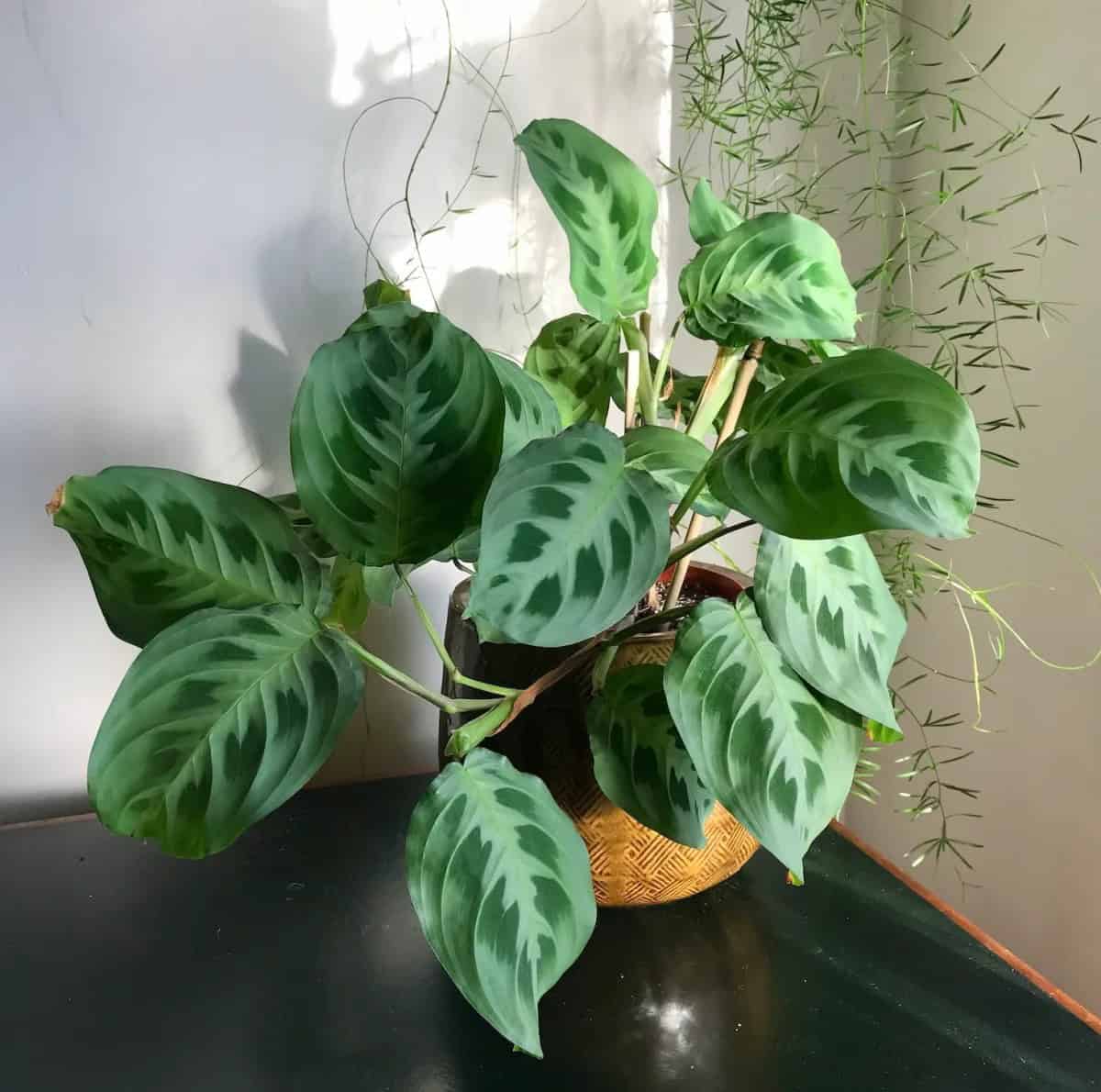
The first time I brought home a Maranta leuconeura, I didn’t realize I was inviting a tiny tropical drama queen into my living room. One evening the leaves stood wide open like eager hands catching sunlight. The next night they folded upward as if the plant had clasped them together in prayer.
That daily ritual is precisely why people call it the Prayer Plant.
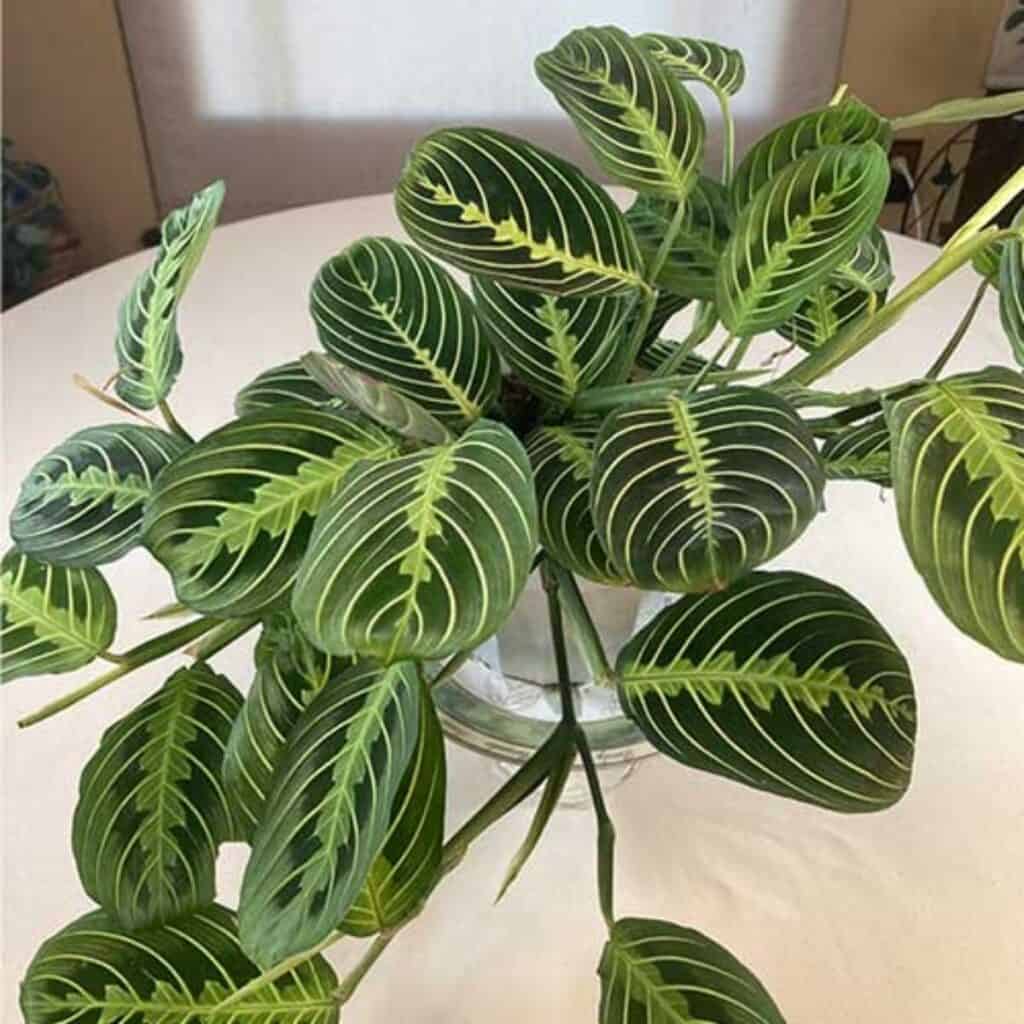
But the real showstopper isn’t just the movement. The foliage looks like a painter dipped a brush in emerald, pink, and crimson and went wild across the leaves. Pink veins streak across velvety green surfaces, while the undersides glow with deep red tones.
Once you learn to care for it, this tropical beauty is one of the best houseplants.
Let me walk you through how I keep my Maranta happy indoors—from watering tricks to humidity hacks and a few mistakes I learned the hard way.
Getting to Know the Prayer Plant
The Maranta leuconeura comes from the lush rainforests of Central America and South America.
Under those towering jungle canopies, the plant enjoys:
- Warm temperatures
- High humidity
- Dappled sunlight
- Rich, well-drained soil
So when I grow it indoors, I try to recreate that environment. Think of it as building a tiny rainforest on your windowsill.
The plant might produce delicate flowers, but honestly, the leaves steal the spotlight year-round.
Why I Love Growing Maranta
Every houseplant collector has a favorite, and this one sits high on my list.
Here’s why:
- The colorful foliage looks spectacular year-round
- The leaves move throughout the day, opening and folding with light changes
- It stays compact and manageable indoors
- It thrives in medium light conditions
In short, it brings life to a room without demanding the kind of attention orchids do.
Still, treat it like a cactus and it will sulk. Treat it like a rainforest plant and it will flourish.
My Watering Routine (The Secret to Happy Leaves)
Watering a prayer plant feels like walking a tightrope. Too little water makes the leaves curl. Too much turns the soil into a swamp.
Over time I found a rhythm that works perfectly.
My Rule of Thumb
I water when the top inch or two of soil feels dry.
During spring and summer, this usually means:
- 1–2 waterings per week
But I always check the soil first. Plants aren’t robots, and their needs change with temperature and light.
The Deep Watering Trick
Two or three times a year, I give the pot a thorough soak until water flows out of the drainage holes.
That deep flush helps:
- Remove salt buildup
- Refresh the soil
- Rehydrate deeper roots
Water Quality Matters
Prayer plants can act picky about water.
Tap water often contains fluoride and chemicals that can damage the leaves and soil.
I usually use:
- Rainwater
- Filtered water
- Distilled water
Room-temperature water works best. Cold water can shock the roots like an unexpected splash of ice.
Humidity: The Prayer Plant’s Love Language
If this plant could talk, it would whisper one word all day long: humidity.
The velvety leaves evolved in tropical air where humidity rarely drops below 60%.
Inside our homes, the air often feels as dry as a desert. So I help my plant cheat the system.
My Favorite Humidity Tricks
- Misting the leaves every couple of days
- Using a pebble tray under the pot
- Grouping plants together
- Running a small humidifier
When several plants sit close together, they create their own mini climate zone. It’s like forming a tiny botanical neighborhood.
Ideal Humidity Range
| Condition | Ideal Level |
| Minimum humidity | 50% |
| Best range | 55–65% |
| Too high | Risk of fungal issues |
Balance matters. Too little humidity dulls the leaves, while too much invites fungi to the party.
Soil: Building the Perfect Foundation
The soil for a prayer plant must do two jobs at once:
- Hold moisture
- Drain excess water quickly
If the soil stays soggy, root rot can sneak in like an uninvited guest.
My Favorite Soil Mix
| Ingredient | Purpose |
| Loamy potting soil | Base structure |
| Peat moss | Moisture retention |
| Compost | Nutrients |
| Sand or perlite | Drainage |
I usually mix equal parts loam and peat moss and then add a small amount of perlite.
The result? Airy soil that feels soft and breathable.
Roots love that.
Light: Finding the Sweet Spot
The Maranta leuconeura enjoys bright light—but not the harsh kind.
Direct sunlight can scorch the leaves faster than summer pavement burns bare feet.
Ideal Lighting Conditions
- Bright indirect sunlight
- Filtered window light
- Fluorescent grow lights
My plant sits about two feet from an east-facing window where sunlight arrives gently in the morning.
Signs of Lighting Problems
| Problem | What You’ll Notice |
| Too much sun | Faded leaves |
| Too little light | Leaves stay folded |
| Perfect light | Vibrant colors |
Finding the right lighting feels like tuning a radio until the signal comes in clear.
Read on: Italian Oregano (Origanum Vulgare): Plant Care and Growing Guide
Temperature: Keeping Things Cozy
Thankfully, prayer plants enjoy the same temperatures most people do.
That makes indoor care easy.
Ideal Temperature Range
| Condition | Temperature |
| Ideal range | 60–80°F (15–26°C) |
| Minimum tolerance | 50°F (10°C) |
| Upper limit | 90°F (32°C) |
Hot weather increases water loss, so I water and mist more frequently during heat waves.
Flowering: The Hidden Bonus
Many people grow prayer plants for the leaves and never see the flowers.
But when the conditions align just right, the plant produces tiny white blooms in spring or early summer.
The flowers look delicate and understated compared to the flashy leaves.
Sometimes I let them bloom. Other times I pinch them off so the plant focuses its energy on foliage.
Either way, the leaves remain the main attraction.

Fertilizing My Prayer Plant
The Maranta leuconeura isn’t a heavy feeder.
Too much fertilizer can actually harm it.
My Feeding Routine
- Fertilize once or twice monthly in spring and summer
- Use half-strength liquid fertilizer
- Skip feeding during winter
Liquid fertilizer works better than granules because it spreads evenly through the soil.
Think of fertilizer like seasoning. A little enhances the flavor, but too much ruins the dish.
Pruning for Health and Shape
I rarely prune my prayer plant unless it needs it.
But sometimes leaves:
- Turn yellow
- Show pest damage
- Grow old and tired
When that happens, I grab a sharp pair of scissors and cut the leaf right at the base.
Spring and early summer make the best pruning season because the plant quickly grows new leaves.
Repotting: Giving Roots Room to Breathe
Prayer plants don’t need frequent repotting.
Still, every few years they outgrow their pots.
Signs It’s Time to Repot
- Roots circle the pot
- Growth slows
- Water drains too quickly
When that happens, I move the plant to a container one size larger.
Spring and summer work best because the plant actively grows during those months.
Propagation: Making More Prayer Plants
Here’s the fun part: multiplying your plant.
I usually propagate during repotting by division.
Division Method
- Gently remove the plant from the pot.
- Separate young shoots from the main root system.
- Plant each division in fresh soil.
Within two to three weeks, the new plants settle in and start growing.
You can also propagate by stem cuttings, which root surprisingly quickly.
Pest and Disease Watch
Even healthy prayer plants occasionally attract trouble.
The most common pest I’ve encountered is spider mites.
They love dry conditions.
Signs of Trouble
- Curling leaves
- Black spots
- Dusty-looking foliage
Regular misting helps keep these pests away.
If I spot them early, I wipe the leaves with a damp cloth or use insecticidal soap.
Quick Care Cheat Sheet
Here’s the short version of everything above.
| Care Factor | Recommendation |
| Light | Bright indirect light |
| Water | 1–2 times weekly |
| Humidity | 50–60% |
| Temperature | 60–80°F |
| Soil | Rich, well-drained mix |
| Fertilizer | Light feeding in spring & summer |
Check out: Euonymus Japonicus ‘Microphyllus’: Plant Care and Growing Guide
Final Thoughts
Growing Maranta leuconeura feels like keeping a tiny slice of rainforest indoors.
Every morning the leaves open wide to greet the day. Every evening they fold upward like hands in quiet prayer. That daily movement never gets old.
Sure, the plant asks for humidity, careful watering, and a little patience. But once you understand its rhythm, caring for it becomes second nature.
And when those velvety leaves glow under soft window light, you’ll realize something:
This plant doesn’t just sit in the room.It brings the room to life. 🌿
Frequently Asked Questions
Why do the prayer plant leaves fold up at night?
They respond to the reduced light intensity at night. It is thought that the leaves will give way for raindrops to fall through the leaves up to the roots.
How do you make a prayer plant fuller?
Feed the plant on more fertilizer and adequate water to make the foliage fuller. Compost manure is the best because it does not scorch the roots. Granular fertilizer will contaminate the soil if applied in unnecessarily high quantities.