Are Coffee Grounds Good for Succulents? My Experience Using Coffee on Succulent Plants

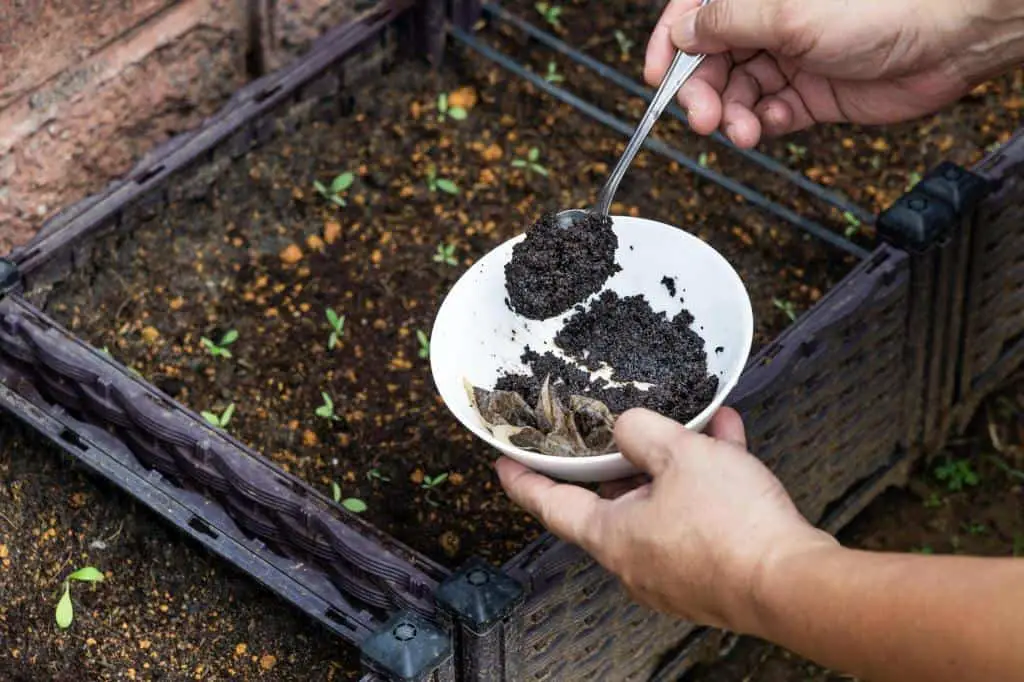
I’ll admit it: when I first heard that coffee grounds could help succulents grow, I was skeptical. I love my morning coffee, but I wasn’t convinced my plants needed a share of the pot.
Still, gardening is full of little experiments. Sometimes the strangest ideas turn out to have some truth behind them, while others belong firmly in the garden-myth pile. So I decided to test coffee on several of my succulents and see what actually happened.
The short answer? Coffee can have a place in succulent care, but coffee grounds aren’t a magic fertilizer, and using them incorrectly can cause more harm than good.
That distinction matters.
Succulents come from environments where the soil often drains quickly and nutrients remain relatively limited. They don’t need heavy feeding, and their roots certainly don’t appreciate sitting in soggy soil. If I want to give my plants a little nutritional boost, I prefer a gentle approach rather than dumping a handful of used coffee grounds around the roots.
After experimenting with several plants, including snake plants, jade plants, and Christmas cactus, I’ve learned that how you use coffee matters just as much as whether you use it at all.
So, Do Succulents Like Coffee Grounds?
This is the million-dollar question.
My answer is: some succulents may tolerate diluted brewed coffee, but I wouldn’t treat used coffee grounds as a primary fertilizer for succulents.
Coffee grounds contain small amounts of nutrients, including nitrogen, potassium, magnesium, and other organic compounds. However, that doesn’t automatically make them an ideal fertilizer. Most succulents prefer lean, fast-draining soil, and a thick layer of coffee grounds can interfere with drainage and create a damp environment around the roots.
That’s a recipe for trouble.
There’s also an important difference between fresh coffee grounds and used coffee grounds. Used grounds generally have much less acidity than people assume. Brewing removes much of the coffee’s soluble acidity, so sprinkling used grounds onto soil won’t reliably lower soil pH in the way many gardening articles claim.
Brewed coffee can remain mildly acidic, but that doesn’t mean every succulent needs it.
What About Soil pH?
Succulents generally prefer slightly acidic to neutral soil, although the ideal range varies from one species to another. A typical succulent potting mix already provides a suitable environment, especially when you combine it with plenty of drainage material such as perlite, pumice, or coarse sand.
I wouldn’t reach for coffee simply to change soil pH.
If I suspect a pH problem, I’d rather test the soil first than play guessing games with my morning brew.
| Coffee product | My recommendation | Why |
| Used coffee grounds | Use sparingly, if at all | Can compact soil and retain moisture |
| Fresh coffee grounds | Avoid | Too concentrated and not suitable for direct use |
| Diluted, cooled black coffee | Occasional experiment | Mild and easier to control |
| Coffee with milk or sugar | Never | Encourages mold, pests, and residue |
| Coffee directly from the pot | Never | Too hot for plant roots |
| Compost containing coffee grounds | Best option | Grounds break down as part of a balanced organic mix |
The garden doesn’t need every kitchen scrap tossed into the pot. Sometimes less really is more.
Which Succulents Have I Tried With Coffee?
I’ve experimented with several popular houseplants, but three stand out when talking about plants that can tolerate occasional diluted coffee: snake plant, jade plant, and Christmas cactus.
That doesn’t mean these plants require coffee. Far from it. They’re simply hardy enough that occasional experimentation is less likely to cause problems when you use common sense.
Snake Plant (Sansevieria)
The snake plant has earned its reputation as one of the toughest houseplants around. I can understand why people love it. It handles lower light, doesn’t demand constant watering, and generally forgives the occasional mistake.
That toughness makes it an interesting plant for experimentation.
If I use diluted, cooled black coffee on a snake plant, I keep the application occasional. I don’t pour coffee into the pot every time I water. The plant still follows its normal watering routine, and I make sure the soil dries properly between waterings.
The sword-shaped leaves don’t need a caffeine fix to look good. Good light, appropriate watering, and excellent drainage do most of the heavy lifting.
| Continue: Are Coffee Grounds Good for Asparagus? |
Jade Plant (Crassula ovata)
Jade plants are another favorite of mine. Their thick stems and fleshy leaves give them the appearance of miniature trees, and with enough time, they can become beautiful living sculptures.
They’re also extremely easy to overwater.
That’s where I draw the line with coffee.
If the soil remains wet for days, adding coffee isn’t going to rescue the plant. In fact, extra moisture may push it in the wrong direction. I always let the potting mix dry thoroughly before watering again.
If I decide to experiment with diluted coffee, I use only a small amount and watch the plant closely afterward.
Healthy jade plants should have firm, plump leaves and sturdy stems. If the leaves become soft, yellow, or start dropping, I investigate watering and root health before blaming a lack of fertilizer.

Christmas Cactus (Schlumbergera)
Christmas cactus is a little different from many desert succulents.
Although we commonly call it a cactus, Schlumbergera comes from forest environments and naturally appreciates somewhat different conditions from plants such as aloe or echeveria.
I’ve always enjoyed growing Christmas cactus because those colorful flowers can turn an ordinary windowsill into a holiday display.
Some gardeners use diluted coffee as an occasional soil amendment or feeding method, but I wouldn’t rely on it to trigger flowering. Blooming depends much more on proper light, temperature, watering, and seasonal conditions.
Coffee might play a supporting role, but it isn’t the conductor of the orchestra.
How I Use Coffee Around Succulents
If you’re determined to try coffee, I recommend taking the cautious route.
I don’t dump used coffee grounds directly onto the soil and call it fertilizer. Instead, I focus on diluted, completely cooled black coffee and use it sparingly.
Here are the rules I follow.
1. Never Use Hot Coffee
This sounds obvious, but it’s worth saying.
Plants don’t appreciate a steaming cup of coffee poured over their roots. Hot liquid can damage delicate roots and disturb the microbial environment in the soil.
I let coffee cool completely before it gets anywhere near a plant.
Think room temperature, not “still warm from the mug.”
2. Skip the Sugar, Milk, and Cream
Your succulent isn’t sitting beside you at breakfast asking for a latte.
Never add coffee containing:
- Sugar
- Milk
- Cream
- Flavored syrups
- Artificial sweeteners
- Whipped cream
Those ingredients don’t belong in succulent soil. They can leave residues, encourage microbial growth, attract pests, and create unpleasant odors.
If you’re experimenting with coffee, stick with plain black coffee.
3. Dilute It
I prefer to err on the side of caution.
A strong cup of coffee can contain compounds that aren’t necessary for a succulent, so I dilute it substantially with water before using it.
I also avoid making coffee part of every watering session. Succulents don’t need constant feeding, and their roots appreciate a dry period between waterings.
4. Don’t Follow a Strict Two-Week Coffee Schedule
One thing I’ve changed my mind about is rigid watering schedules.
You may see recommendations telling you to give succulents coffee every two weeks, but I wouldn’t follow a calendar blindly.
Your plant doesn’t own a watch.
Instead, I check the soil first. If it’s still damp several inches down, I wait. If the soil has dried and the plant actually needs water, then I can decide whether an occasional diluted coffee application makes sense.
The plant’s needs come before the recipe.
What About Putting Used Coffee Grounds Directly on Succulent Soil?
This is where I would pump the brakes.
Used coffee grounds are organic material, but that doesn’t make them automatically beneficial as a top dressing for potted succulents.
A thick layer can:
- Hold moisture near the soil surface
- Become compacted
- Reduce air movement through the soil
- Encourage mold
- Attract unwanted pests
- Make it harder to judge soil moisture
Succulent roots need oxygen as much as they need water. A dense layer of wet organic material can turn a beautifully draining pot into a miniature swamp.
If you have a large outdoor garden bed, adding small amounts of coffee grounds to a well-balanced compost pile makes much more sense than burying handfuls directly around succulent roots.
Coffee Grounds Are Better in Compost
This is probably my favorite way to recycle used coffee grounds.
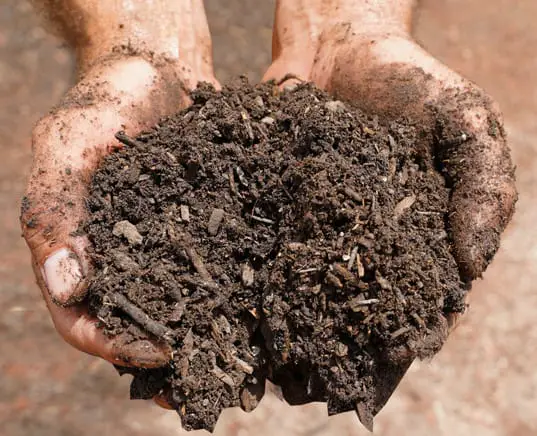
Instead of treating coffee grounds as a standalone fertilizer, I add them to compost along with other organic materials. There, they become one ingredient in a much larger ecosystem.
The compost eventually breaks down into a more balanced soil amendment.
For potted succulents, I can then use a small amount of finished compost in an appropriate potting mix rather than relying on coffee alone.
It’s the difference between giving the plant one ingredient and serving it a balanced meal.
Signs You’re Giving Your Succulent Too Much
Whenever I experiment with something new, I keep an eye on the plant.
Succulents are surprisingly good at telling us when something has gone sideways. We just have to listen.
Watch for:
- Yellowing leaves
- Mushy stems
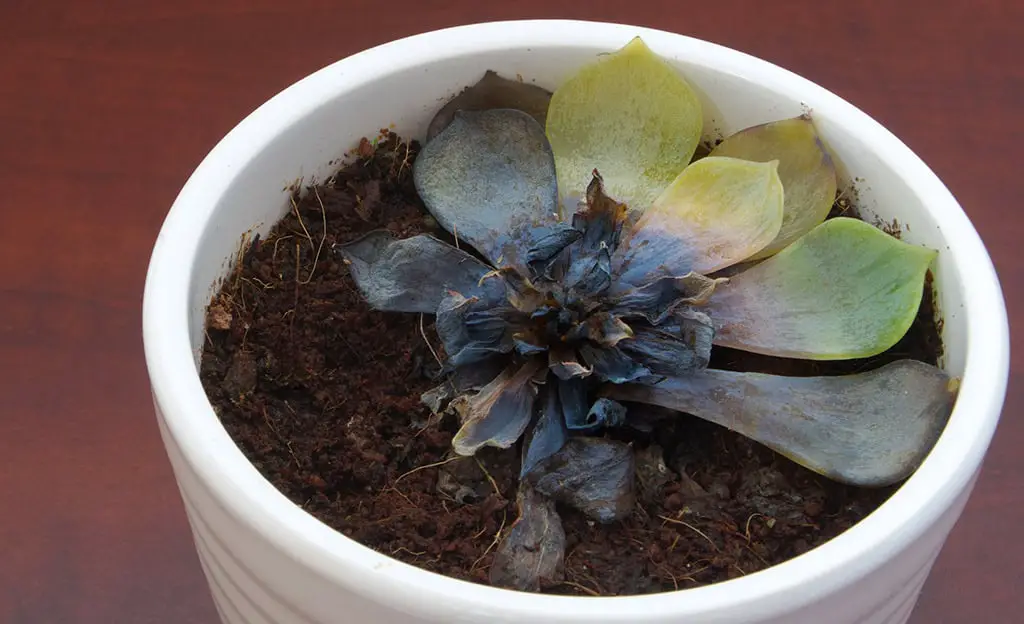
- Soft or translucent leaves
- Persistent wet soil
- Mold on the soil surface
- Fungus gnats
- Sudden leaf drop
- Root rot
- Stunted growth
These symptoms don’t automatically mean coffee caused the problem. Overwatering, poor drainage, inadequate light, pests, and root damage can produce similar symptoms.
That’s why I always look at the whole picture rather than blaming one ingredient.
My Simple Coffee-and-Succulent Routine
If you still want to experiment, here’s the approach I find safest:
- Choose a healthy, established plant.
- Check that the pot has drainage holes.
- Use only plain black coffee.
- Let the coffee cool completely.
- Dilute it generously with water.
- Use it only occasionally rather than at every watering.
- Let the soil dry according to the plant’s normal requirements.
- Watch the plant for several weeks.
- Stop if you notice problems.
I wouldn’t experiment on a struggling succulent that’s already fighting root rot, pests, or severe dehydration. Give that plant the basics first.
Sometimes the best medicine for a struggling succulent is simply good light, fresh soil, and a chance to dry out.
So, Are Coffee Grounds Actually Good for Succulents?
After trying coffee with different plants, I’ve come to a more measured conclusion.
Coffee isn’t a miracle fertilizer for succulents, and used coffee grounds aren’t something I would routinely pile onto succulent soil. However, small amounts of diluted, cooled black coffee can be an occasional experiment for some established houseplants.
The biggest lesson I’ve learned is that succulent care doesn’t need to be complicated.
Give your plants:
- Fast-draining soil
- A pot with drainage holes
- Appropriate sunlight
- Correct watering
- Good airflow
- Occasional, balanced fertilizer when needed
Those basics will carry you much farther than any kitchen-garden hack.
If you want to recycle coffee grounds, composting them remains one of my favorite choices. It lets nature do the heavy lifting and turns a kitchen leftover into something useful for the garden.
And if you want to try diluted coffee on a healthy succulent, start small and keep your eyes open.
At the end of the day, I think of coffee as an optional experiment rather than a secret weapon. My succulents don’t need to share every cup with me—and honestly, I think my morning coffee is safer in my mug anyway.