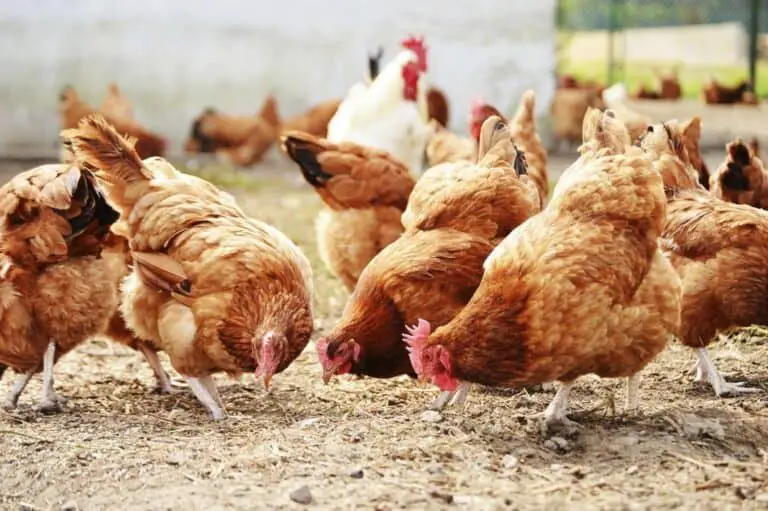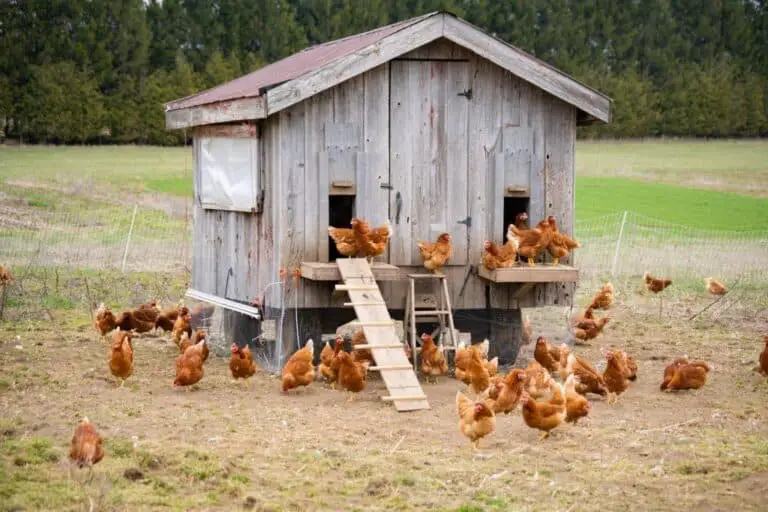
How Much Do Chickens Weigh? My Backyard Flock Size Matter

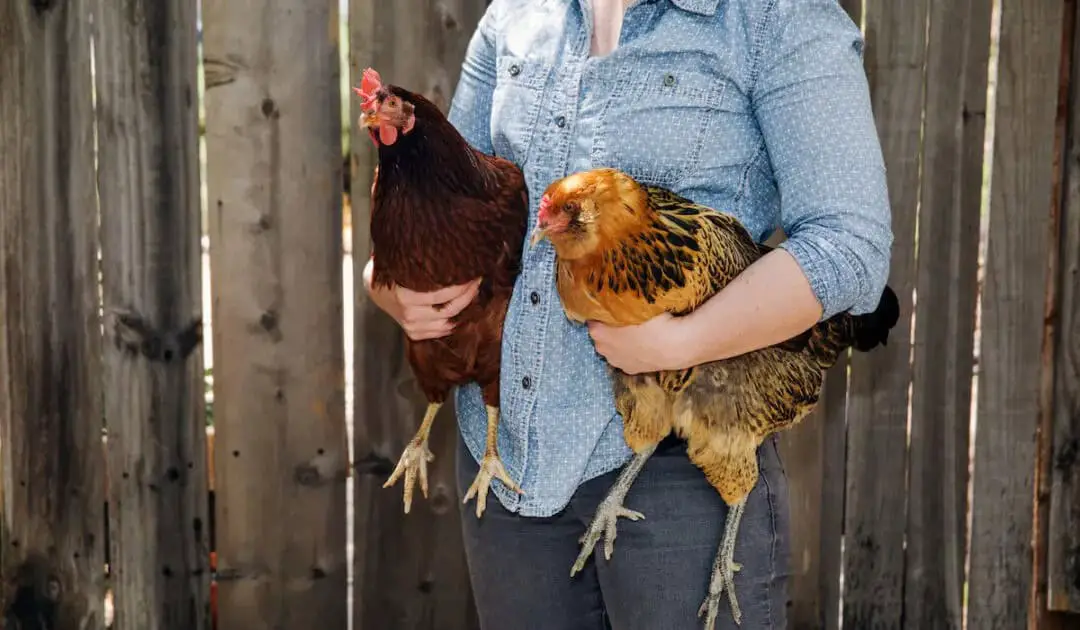
The first time I picked up a full-grown Brahma hen, I nearly threw my back out.
Okay, maybe that’s a slight exaggeration, but only slightly.
Up until that moment, I assumed all chickens weighed roughly the same. You know… chicken-sized. Somewhere between “light enough to carry easily” and “heavy enough to flap dramatically when offended.”
Then I met the giants of the chicken world.
That fluffy Brahma felt less like a bird and more like a feathered bowling ball with opinions.
Since then, I’ve raised everything from tiny bantams that could perch in one hand to hefty dual-purpose breeds built like little tanks. And if there’s one thing I’ve learned, it’s this:
Chicken weights vary wildly depending on breed, genetics, purpose, and sometimes pure chaos.
If you’ve ever stood in your coop wondering:
“Why is this chicken the size of a Thanksgiving turkey while that one looks like a pigeon wearing slippers?”
You’re not alone.
Let’s break down how much chickens actually weigh, which breeds grow the biggest, which stay adorably tiny, and how I weigh my own flock without starting a feathery WWE match in the backyard.
Why Chicken Weight Matters More Than You Think
At first glance, chicken weight feels like trivia.
But once you start raising birds yourself, weight suddenly becomes important for all kinds of reasons:
- Choosing the right breed
- Egg production expectations
- Meat production
- Coop space planning
- Health monitoring
- Breeding goals
- Feed costs
A five-pound hen and a thirteen-pound rooster don’t live the same lifestyle.
Big chickens eat more.
Small chickens fly better.
Heavy birds often move slower.
Tiny birds squeeze through fences like furry little jailbreak artists.
Weight shapes nearly every part of flock management.
Not All Chickens Come From the Same Mold
One thing that surprised me early on involved how much variation exists between breeds.
Some chickens look like linebackers.
Others resemble animated dust mops.
And even within a single breed, weight can fluctuate depending on:
| Factor | Impact on Weight |
| Genetics | Some bloodlines naturally grow larger |
| Diet | Better nutrition improves growth |
| Sex | Roosters usually outweigh hens |
| Purpose | Meat breeds weigh more |
| Activity level | Free-range birds may stay leaner |
| Age | Mature birds weigh more than juveniles |
Selective breeding also plays a massive role.
Breeders have spent decades — sometimes centuries — fine-tuning chickens for size, egg production, meat yield, feather quality, or appearance.
Basically, chickens became the Swiss Army knives of the poultry world.
Average Chicken Weights by Breed

Here’s where things get fun.
Some chickens barely tip the scale past a pound, while others look capable of applying for a gym membership.
Below are some common large fowl breeds and their average mature weights.
Popular Large Chicken Breeds
| Breed | Rooster Weight | Hen Weight |
| Brahma | 12 lbs | 10 lbs |
| Jersey Giant | 13 lbs | 10 lbs |
| Orpington | 13 lbs | 10 lbs |
| Rhode Island Red | 8.5 lbs | 6.5 lbs |
| Australorp | 8 lbs | 6 lbs |
| Plymouth Rock | 7.5 lbs | 6.5 lbs |
| Sussex | 9 lbs | 7 lbs |
| Wyandotte | 8 lbs | 6 lbs |
| Leghorn | 5.5 lbs | 5 lbs |
| Ayam Cemani | 5 lbs | 4 lbs |
When people imagine a “normal chicken,” they usually picture something in the 5–8 pound range.
Then breeds like the Brahma stroll into the yard looking like they pay property taxes.
The Day I Realized Brahmas Are Basically Feathered Bison
I still remember my first Buff Brahma rooster.
That bird didn’t walk across the yard.
He entered scenes dramatically.
Everything about him looked oversized:
- Massive feet
- Thick legs
- Dense feathers
- Broad chest
When he ran toward the feed bucket, it sounded like someone dropping a duffel bag full of potatoes onto the lawn.
But despite their intimidating size, Brahmas often behave like gentle giants.
Mine acted more like oversized golden retrievers than aggressive barnyard tyrants.
Honestly, big chickens have a certain charm. Chickens move through the coop with the confidence of heavyweight boxers who know nobody wants trouble.
The Smallest Chickens Feel Like Living Wind-Up Toys
Now let’s swing to the opposite end of the spectrum.
Bantams.
Tiny.
Energetic.
Absolutely overflowing with attitude.
These miniature chickens often weigh less than two pounds, yet somehow carry enough sass to challenge birds five times their size.
Smallest Bantam Chicken Breeds
| Breed | Rooster Weight | Hen Weight |
| Serama | 16 oz | 14 oz |
| Seabright | 22 oz | 20 oz |
| Belgian Bearded d’Anver | 26 oz | 22 oz |
| Japanese Bantam | 26 oz | 22 oz |
| Rosecomb | 26 oz | 22 oz |
| Old English Game | 24 oz | 22 oz |
The first time I held a Serama, I genuinely worried the wind might carry it away like a feather with ambition.
But don’t let the size fool you.
Tiny chickens often possess the confidence of nightclub bouncers.
Bantam vs. Large Fowl: What’s the Real Difference?
People often ask whether bantams are “real chickens.”
Oh, they’re real alright.
They simply occupy the compact-car section of the poultry parking lot.
Here’s a quick comparison:
| Feature | Bantams | Large Fowl |
| Average Weight | Under 2.5 lbs | 5–13 lbs |
| Egg Size | Small | Medium to large |
| Space Needs | Lower | Higher |
| Feed Consumption | Less | More |
| Flying Ability | Better flyers | Heavier, poorer flyers |
| Personality | Often bold and energetic | Usually calmer |
I love bantams because they fit beautifully into smaller spaces and eat less feed. But larger breeds often feel easier for beginners because they stay calmer and handle cold weather better.
Every chicken type brings its own flavor to the flock.
Broiler Chickens: The Heavyweights of Modern Poultry
Broiler chickens operate in their own universe.
These birds exist specifically for meat production, and modern breeding transformed them into astonishingly fast-growing animals.
Back in 1925, broiler chickens averaged about 2.5 pounds.
Today?
Many reach over 6 pounds in just weeks.
That’s not natural evolution.
That’s selective breeding with the accelerator pedal welded to the floor.
Commercial broilers chickens grow so quickly that their bodies sometimes struggle to keep pace.
Honestly, seeing one in person feels strange if you’re used to heritage breeds.

My Favorite Large Chicken Breeds
After years of keeping chickens, I definitely developed a soft spot for larger breeds.
Here are my personal favorites:
1. Brahmas
Gentle, fluffy giants with feathered feet and calm personalities.
2. Orpingtons
Friendly birds that look like feathered ottomans waddling around the yard.
3. Cochins
Living puffballs with enough feathers to survive a snowstorm.
4. Jersey Giants
Massive birds that somehow still manage to act surprisingly mellow.
Large breeds bring a peaceful energy to a flock. They rarely panic, move steadily, and often tolerate handling better.
| Check out: The Americana Chicken Breed: Unique Traits and Care Tips |
The Tiny Chickens Won My Heart Too
Still, bantams possess a magic all their own.
Small chickens feel animated.
Almost cartoonish.
They zip through the yard like caffeinated toddlers while larger birds lumber behind them like sleepy security guards.
And somehow, despite their size, bantams frequently dominate the social hierarchy.
It’s like watching a Chihuahua bully a Great Dane.
How I Weigh My Chickens Without Losing My Mind
Tracking chicken weight helps tremendously with:
- Health checks
- Growth monitoring
- Breeding programs
- Detecting illness early
But weighing live chickens?
That’s where the circus begins.
Over the years, I tested several methods.
Some worked beautifully.
Others turned me into a feather-covered disaster.
Method 1: Food Scale for Chicks
This works wonderfully for baby chicks.
What I do:
- Zero the scale
- Place chick gently on scale
- Record weight quickly before chaos erupts
Tiny chicks weigh almost nothing, so kitchen scales work perfectly.
Though fair warning:
Baby chicks rarely sit still willingly. They bounce around like popcorn kernels in hot oil.
Method 2: The Sack Method
This became my favorite method for nervous birds.
Supplies:
- Hanging scale
- Soft cloth bag
- Calm hands
- Moderate patience
The darkness inside the bag keeps chickens surprisingly calm.
Honestly, many birds relax immediately once tucked inside like grumpy toddlers wrapped in blankets.
Method 3: Hanging Upside Down
This sounds dramatic, but it works fast for adult birds.
The process:
| Step | Action |
| 1 | Secure legs gently |
| 2 | Flip chicken upside down briefly |
| 3 | Attach scale |
| 4 | Record weight |
| 5 | Return chicken to coop |
I usually weigh adult birds at night while they roost because sleepy chickens cooperate much better than daytime chickens.
Daytime chickens behave like caffeinated conspiracy theorists avoiding capture.
| Continue: Do Chickens Eat Grass Seed? Food Foraging and Eating Habit |
Why Weight Tracking Actually Helps
At first, I tracked weights out of curiosity.
Now I consider it one of the best flock management tools available.
Weight changes often reveal problems before visible symptoms appear.
Sudden weight loss can signal:
- Parasites
- Illness
- Stress
- Poor nutrition
- Bullying
On the flip side, healthy growth tells me my feeding program works.
Numbers don’t lie, even when chickens act dramatic enough for daytime television.
Choosing the Right Chicken Size for Your Backyard
Whenever someone asks me what size chickens they should get, I always answer:
“It depends on your goals.”
Here’s a quick guide:
| Goal | Best Choice |
| Small backyard | Bantams |
| Large eggs | Heavy layers |
| Meat production | Broilers or dual-purpose |
| Friendly pets | Orpingtons or Brahmas |
| Ornamental flock | Silkies or Polish |
| Cold climates | Large fluffy breeds |
No single breed fits everyone.
Your flock should match your lifestyle, climate, space, and patience level.
Final Thoughts From Someone Who’s Carried Too Many Chickens
Before I raised chickens, I assumed they all looked and weighed roughly the same.
Now I know chicken breeds span a range wider than most people realize.
Some birds fit comfortably in your lap.
Others feel like lifting gym equipment wrapped in feathers.
And honestly, that variety keeps chicken keeping endlessly entertaining.
Whether you fall in love with giant Brahmas, tiny Seramas, or something in between, chicken weight tells an important story about the bird standing in front of you.
It reflects genetics.
Purpose.
History.
Personality.
And sometimes, if we’re being honest, pure barnyard chaos.
That’s part of the fun.
One day you’re casually weighing a fluffy little bantam.
The next you’re wrestling a ten-pound rooster under moonlight while questioning every life decision that brought you there.
Welcome to chicken keeping.