When to Wean Goats: What I Learned the Hard Way About Raising Healthy Goat Kids

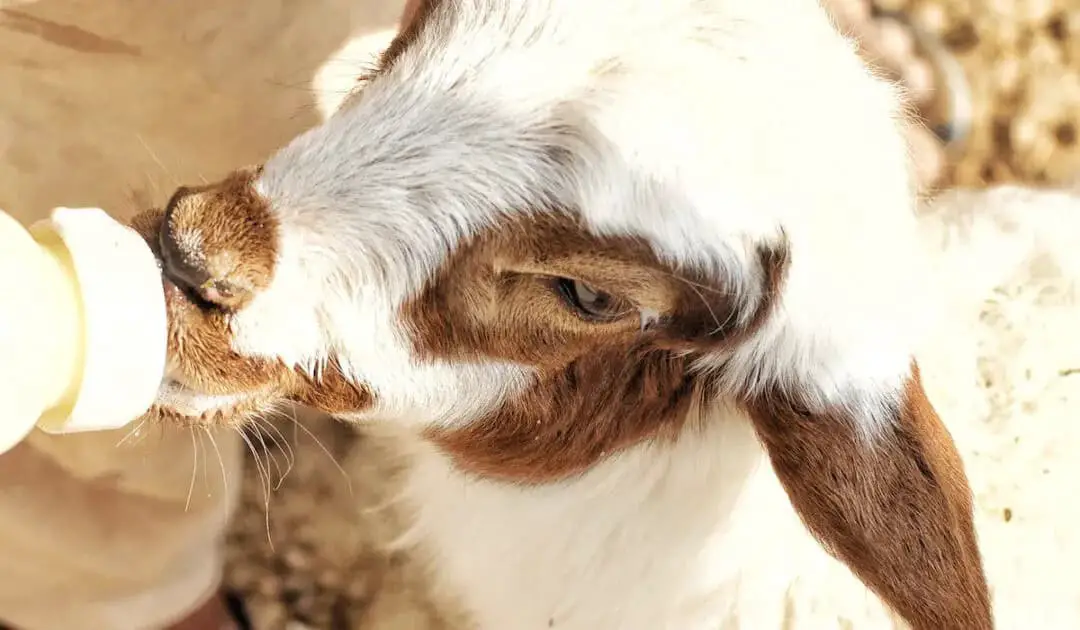
The first time I weaned a baby goat, I thought I was prepared.
I had read articles, watched videos, bought the feed, and cleaned the pen like an overachieving contestant on a farming reality show. In my head, the process looked simple: stop the milk, offer solid food, and move on with life.
Reality had other plans.
The moment I separated that little goat from its mother, the barn transformed into a country music heartbreak anthem. The crying started immediately. The pacing followed. Then came the dramatic yelling from both sides of the fence like two lovers trapped in a Shakespeare play.
And honestly? I nearly caved within the first hour.
That experience taught me something important: weaning goats isn’t just about taking away milk. It’s a balancing act involving timing, nutrition, stress management, patience, and a surprising amount of emotional resilience — for both the goats and the human.
If you’re raising goat kids for the first time, buckle up. Weaning can feel like riding a bicycle downhill with loose handlebars. But once you understand the process, everything becomes much easier.
Here’s what I’ve learned about when to wean goats, what to expect during the process, and how to help your kids grow into healthy, thriving adults.
What Does “Weaning” Actually Mean?
At its core, weaning simply means transitioning a baby goat from milk to solid food.
Sounds easy enough, right?
Well, goats rarely read the instruction manual.
Young kids start life depending almost entirely on milk from their mother or a bottle. Over time, their digestive system develops enough to process hay, grain, forage, and water properly.
The goal of weaning is to slowly hand over the steering wheel from milk to solid nutrition without sending the kid’s body into chaos.
Think of it like teaching a teenager to drive. You don’t toss them the keys during a thunderstorm and hope for the best.
Gradual transitions matter.
Why Timing Matters More Than Most People Realize
One of the biggest mistakes new goat owners make involves rushing the process.
I understand the temptation. Bottle feeding takes time. Milk replacer costs money. Baby goats become increasingly energetic little hooligans as they grow.
But weaning too early can backfire badly.
A kid’s immune system, digestive system, and overall development still rely heavily on milk during the early weeks of life. Pull that support too soon, and the goat may struggle with:
- Weight loss
- Poor growth
- Stress
- Digestive issues
- Increased illness risk
On the flip side, waiting too long creates its own headaches.
Older kids can become overly dependent on milk, stubborn about solid food, and harder to separate emotionally.
Timing really is the secret sauce here.
So, When Should You Wean Goat Kids?
Most goat owners wean kids somewhere between 8 and 12 weeks old.
But after raising goats myself, I learned something important:
The calendar tells only half the story.
Weight matters more than age.
A healthy goat kid should usually reach about 2.5 times its birth weight before weaning begins.
Here’s a simple example:
| Birth Weight | Ideal Weaning Weight |
| 5 pounds | 12.5 pounds |
| 6 pounds | 15 pounds |
| 8 pounds | 20 pounds |
This approach makes much more sense because goats grow at different rates depending on breed, nutrition, and overall health.
Some kids hit that milestone quickly.
Others take their sweet time like toddlers refusing to put on shoes.
The First Thing I Always Prioritize: Colostrum
If there’s one thing I never gamble with anymore, it’s colostrum.
Those first hours after birth matter tremendously.
Colostrum acts like liquid gold for baby goats. It carries antibodies and immune support that protect kids during the vulnerable early weeks of life.
Without enough colostrum, goat kids start life climbing uphill with a backpack full of bricks.
I always make sure newborns nurse quickly after birth. If the mother struggles or rejects the kid, I use frozen colostrum reserves or a quality replacer immediately.
That early foundation changes everything later during weaning.
Preparing Goat Kids Before Weaning
Successful weaning starts long before you remove milk.
I learned this lesson after one rough season where I assumed goats would magically “figure it out.”
Spoiler alert:
They didn’t.
Now I prepare weeks ahead of time.
I Introduce Solid Food Early
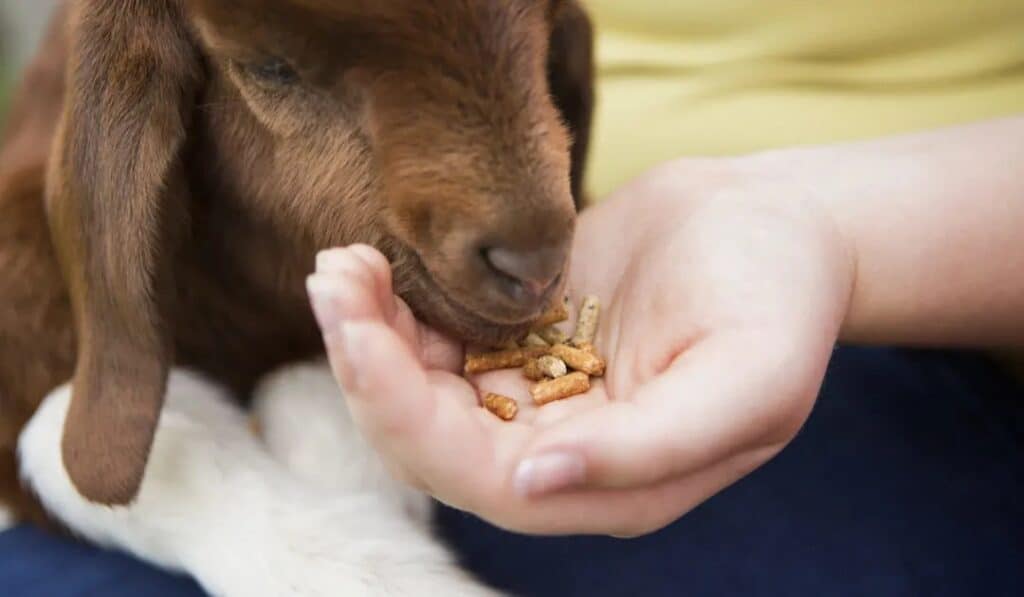
Around 6 to 8 weeks old, I begin offering:
- Goat starter feed
- Soft hay
- Fresh grass
- Clean water
At first, the kids mostly nibble and play with the food like picky restaurant critics.
But eventually curiosity takes over.
Young goats learn by copying older goats too. Once one kid starts eating confidently, the others usually follow like dominoes falling over.
| Read on: Do Goat Horns Grow Back if Broken or After Disbudding? |
I Create a Comfortable Weaning Pen
One mistake I made early on involved moving the baby goats into an unfamiliar space during weaning.
Bad idea.
Everything changed at once:
New food.
No milk.
Different environment.
The stress stacked up like firewood.
Now I introduce kids to the weaning pen ahead of time so the area already feels safe and familiar when separation begins.
That small adjustment made a huge difference in how calmly my goats handled the transition.
Vaccinations and Deworming Matter Too
Before weaning, I always stay on top of:
| Health Step | Why It Matters |
| CD-T vaccination | Prevents tetanus and enterotoxemia |
| Deworming | Controls parasite load |
| Weight checks | Tracks healthy growth |
| Stool monitoring | Detects illness early |
Healthy kids handle stress far better than vulnerable ones.
And trust me, weaning stress can hit like a freight train.

Two Different Ways to Wean Goat Kids
Every goat owner seems to have strong opinions here.
Honestly, both methods can work well.
Gradual Weaning
This method slowly reduces milk over time.
For bottle babies, I decrease feedings gradually until the kid no longer expects milk.
For dam-raised kids, I separate them from their mothers for increasing periods each day.
Pros:
- Less stress
- Easier digestion adjustment
- Smoother emotional transition
Cons:
- Takes longer
- Requires more management
Abrupt Weaning
This approach removes milk access immediately once the kid reaches weaning readiness.
Some farms prefer this because it’s faster and simpler logistically.
Pros:
- Faster process
- Easier scheduling
- Less drawn-out dependency
Cons:
- More initial stress
- Loud protests
- Possible temporary weight loss
Personally, I lean toward gradual weaning whenever possible. It feels gentler on both the goats and my sanity.
What to Expect During Weaning
Here’s the honest truth nobody sugarcoats enough:
Goat kids will probably scream like tiny furry opera singers.
And the mothers may scream right back.
The first time it happened, I thought something terrible had gone wrong. Instead, I learned goat drama simply comes free with the package.
Typical weaning behavior includes:
- Crying
- Fence pacing
- Searching for mom
- Temporary appetite dips
- Mild weight fluctuations
Most kids settle down within a few days once they realize milk service has officially closed.
Still, those first couple nights can test your nerves.
Temporary Weight Loss Is Normal
This part scared me initially.
A newly weaned goat may lose a little weight during the adjustment phase.
Stress changes appetite temporarily. As long as the kid continues eating forage, drinking water, and staying alert, things usually rebound naturally.
I monitor closely during this stage but try not to panic over every tiny fluctuation.
Goats can smell human anxiety from a mile away anyway.
Water Becomes Critically Important After Weaning
Once milk disappears, water intake becomes crucial.
Young goats dehydrate surprisingly fast.
I always make sure:
- Water stays fresh
- Containers remain shallow enough for kids
- Buckets stay clean
- Multiple goats can access water easily
Hydration acts like oil in an engine. Without it, everything starts breaking down quickly.
Hay and Forage Become the Real MVPs
Many new goat owners focus heavily on grain after weaning.
But honestly, hay deserves the spotlight.
Goats need roughage constantly to keep their rumen functioning properly.
I provide:
- Quality hay
- Grass access
- Browse materials
- Safe weeds and shrubs
Pellets alone won’t cut it.
A goat’s digestive system works like a fermentation factory. Fiber keeps that whole operation running smoothly.
Watching for Coccidia Saved One of My Kids
One of the toughest lessons I learned involved coccidiosis.
This parasite-related illness often appears during stressful periods like weaning.
Symptoms include:
- Loose stool
- Dark or bloody diarrhea
- Weight loss
- Lethargy
- Poor appetite
I once noticed one kid standing quietly in a corner instead of bouncing around like usual. That tiny behavioral shift tipped me off early enough to get treatment quickly.
Now I watch weaned kids like a hawk during the first couple weeks.
Trust your instincts.
If something feels off, investigate immediately.
The Emotional Side Nobody Talks About
Here’s something funny about raising goats:
You start out thinking you’re managing livestock, and then suddenly you realize you’ve become emotionally attached to tiny hoofed troublemakers.
Weaning challenges humans too.
The crying pulls at your heartstrings.
The pacing makes you second-guess yourself.
The temptation to reunite them feels overwhelming.
But successful weaning requires consistency.
If you cave every time the kids protest, they quickly learn screaming works.
And goats are smart enough to exploit weakness with alarming efficiency.
My Biggest Weaning Mistakes
Looking back, here are the biggest errors I made early on:
| Mistake | What Happened |
| Weaning too early | Weight loss and stress |
| Changing feed suddenly | Digestive upset |
| Poor pen setup | Excess anxiety |
| Reintroducing milk | Delayed adjustment |
| Ignoring subtle illness signs | Bigger health problems |
Experience can be a brutal teacher sometimes.
Thankfully, goats prove remarkably resilient when given proper care.
Final Thoughts From Someone Who’s Been Through the Goat Chaos
Weaning goats may feel intimidating at first, but eventually the process becomes another rhythm in farm life.
Messy.
Noisy.
Occasionally exhausting.
But manageable.
The biggest lesson I’ve learned is this: successful weaning depends less on strict timelines and more on paying attention to the individual goat standing in front of you.
Healthy kids usually tell you when they’re ready.
Once they confidently eat solid food, maintain good weight, stay hydrated, and explore the world with curiosity, the transition becomes far smoother.
And yes, there will probably still be dramatic screaming involved.
After all, goats never miss an opportunity to turn everyday life into theater.
That’s part of what makes them so entertaining in the first place.