Variegated Sweet Iris (Iris pallida ‘Variegata’): How I Grow and Care for This Striking Garden Classic

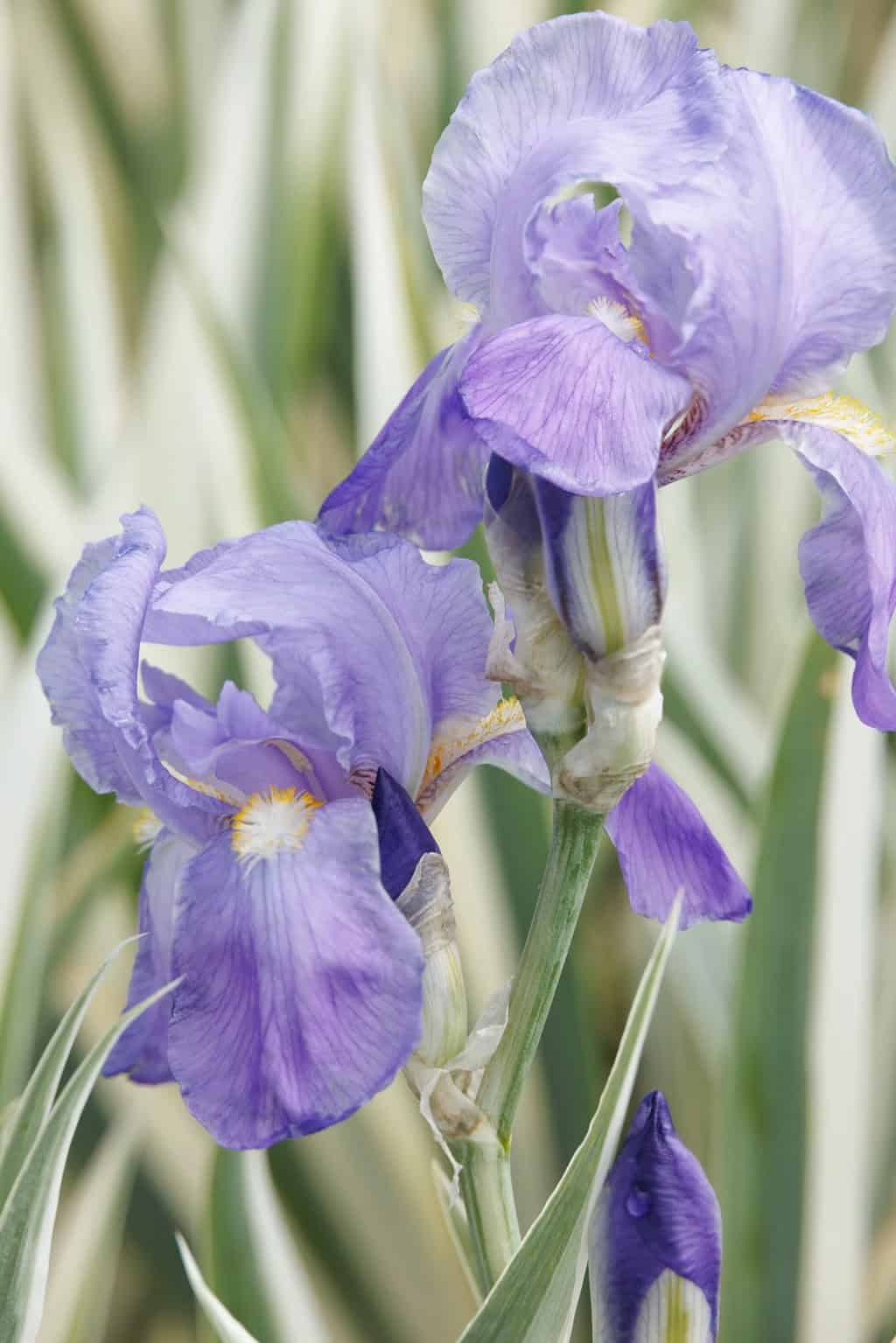
Every garden has that one plant that quietly steals the show. For me, that role belongs to the Iris pallida ‘Variegata’, often called the Variegated Sweet Iris.
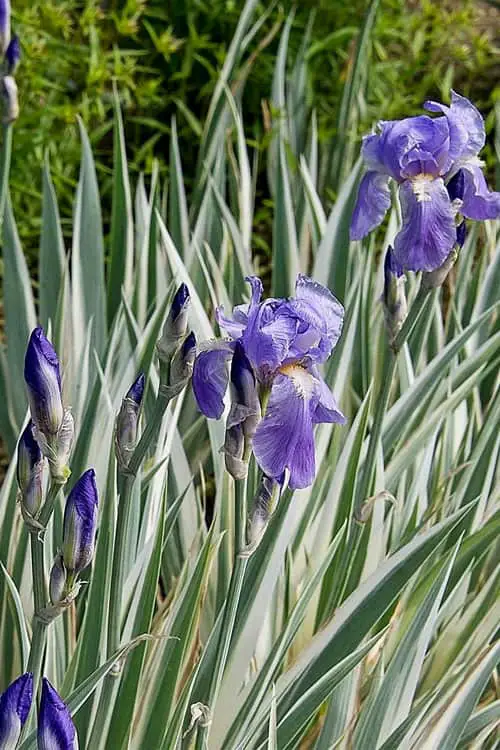
The first time I planted it, I expected a decent ornamental. What I got instead was a plant that practically waved a flag across my garden beds with its bold striped leaves. Even when the flowers weren’t around, those creamy yellow and green blades kept the garden lively—like a zebra strolling through a sea of green.
What really sealed the deal for me? This plant doesn’t demand constant attention. Once it settles in, it behaves like a seasoned traveler who knows exactly how to take care of itself.
In this guide, I’ll walk you through how I grow, care for, and enjoy Variegated Sweet Iris in my garden—from watering habits to companion plants and design ideas.
Getting to Know the Variegated Sweet Iris
The Iris pallida ‘Variegata’ belongs to the Iridaceae family and the Iris genus. Gardeners often call it by several colorful names, including:
- Dalmatian Iris ‘Variegata’
- Sweet Iris ‘Variegata’
- Zebra Iris
- Iris pallida ‘Aurea Variegata’
This perennial comes from parts of Croatia and surrounding areas in Europe, where warm summers and well-drained soils create perfect growing conditions.
Because it’s a herbaceous perennial, the plant dies back to the ground each year. But don’t worry—it returns every spring with the enthusiasm of a runner bursting off the starting block.
Why I Love Growing This Iris
Some plants demand pampering. This one simply asks for the basics.
Here’s why I keep planting Variegated Sweet Iris in different parts of my garden:
- Beautiful striped foliage that lasts most of the year
- Fragrant flowers that feel straight out of a cottage garden
- Low maintenance once established
- Drought tolerance compared with many perennials
- A magnet for pollinators like butterflies
In other words, it pulls its weight in the garden without acting like a diva.
Growth and Size: What to Expect
When planning space for this plant, I like to imagine a tidy fountain of leaves topped with elegant flowers.
| Feature | Typical Size |
| Height | 2–3 ft (60–90 cm) |
| Spread | 1–2 ft (30–60 cm) |
| Growth Rate | Moderate |
| Spacing | About 18 inches apart |
This makes it a medium-sized perennial—large enough to stand out but compact enough to fit into mixed borders.
I often tuck mine along pathways or in front of taller shrubs so the striped leaves catch the sunlight.
Light: Where This Iris Thrives
Sunlight makes a big difference in how vibrant the foliage and flowers look.
From my experience, Variegated Sweet Iris performs best with:
- Full sun – 6+ hours daily
- Partial sun – 2–6 hours daily
In hotter climates, a little afternoon shade helps prevent stress. But generally speaking, this plant enjoys basking in sunlight like a cat stretched across a windowsill.
Soil: The Foundation of Healthy Growth
If there’s one thing this iris dislikes, it’s soggy soil.
The plant prefers soil that drains well but still holds some moisture.
Ideal Soil Characteristics
- Loamy texture
- High organic matter
- Neutral to slightly acidic pH
- Good drainage
Here’s a soil recipe I often use:
| Ingredient | Purpose |
| Garden soil | Base structure |
| Compost | Nutrients and organic matter |
| Sand or grit | Improves drainage |
This combination keeps the roots happy and prevents rot.
Watering: Finding the Right Balance
Watering this plant feels like walking a tightrope—you want enough moisture, but not too much.
Too little water slows growth. Too much water can damage the rhizomes.
My Simple Watering Rule
I use the classic finger test:
- Stick your finger about 1 inch into the soil.
- If it feels moist, leave it alone.
- If it feels dry, water thoroughly.
That’s it.
This quick check has saved me from both underwatering and turning my iris bed into a swamp.

Seasonal Growth Cycle
Like many herbaceous perennials, this iris follows a predictable yearly rhythm.
| Season | What Happens |
| Early Spring | New leaves emerge |
| Late Spring | Flower stalks appear |
| Summer | Blooming season |
| Fall | Growth slows |
| Winter | Foliage dies back |
Each spring, watching those striped leaves poke through the soil feels like greeting an old friend after a long winter.
The Flowers: A Fragrant Highlight
While the foliage grabs attention all year, the flowers deliver the real fireworks.
Variegated Sweet Iris typically blooms from April through June, and sometimes continues into late summer depending on the climate.
The blooms usually appear in shades of:
- Soft blue
- Blue-purple
- Lavender
They also carry a light, sweet fragrance, which explains the common name “Sweet Iris.”
I love cutting a few stems and bringing them indoors. They add elegance to a room without overpowering the space.
The Foliage: The Real Star
If flowers are the fireworks, the foliage is the stage lighting.
The leaves grow long and sword-shaped, striped with creamy yellow and green. They stay decorative for most of the growing season.
Even when the plant isn’t blooming, the foliage adds texture and brightness to garden beds.
In many ways, this plant behaves like a living piece of garden art.
Wildlife and Garden Benefits
Another reason I appreciate Variegated Sweet Iris: it helps bring life into the garden.
The flowers attract:
- Butterflies
- Hummingbirds
- Pollinating insects
At the same time, it resists some common garden nuisances.
Natural Tolerances
| Condition | Tolerance Level |
| Drought | Good |
| Salt | Moderate |
| Rabbits | Resistant |
| Deer | Resistant |
So while butterflies come to visit, rabbits usually keep their distance.
Garden Design Ideas
Over the years, I’ve experimented with placing this plant in different spots around the garden.
It fits beautifully into several garden styles:
- Cottage gardens
- Zen or Asian-inspired gardens
- Rustic landscapes
- Coastal gardens
- Courtyard plantings
Best Locations
I find it works especially well in:
- Beds and borders
- Wall-side plantings
- Cutting gardens
- Erosion control areas
Its upright foliage creates vertical interest, which helps break up dense plantings.
| Read on: Lantana Camara ‘Monike’ (Teenie Genie Compact): Plant Care and Growing Guide |
Companion Plants I Like to Pair With It
Plants, like people, enjoy good company.
Variegated Sweet Iris pairs beautifully with several perennials.
Two of my favorites include:
- Echinacea – adds bold purple blooms and pollinator power
- Chelone – brings lush greenery and late-season flowers
These combinations create layered textures and color contrast.
Here’s a simple planting trio I’ve used successfully:
| Plant | Role in the Garden |
| Variegated Sweet Iris | Structure and foliage |
| Echinacea | Bright summer flowers |
| Chelone | Late-season interest |
Together they create a planting bed that looks good from spring through fall.
A Few Care Tips I’ve Learned the Hard Way
After growing this plant for several seasons, I’ve picked up a few practical lessons.
1. Don’t Bury the Rhizomes Too Deep
Iris rhizomes prefer sitting close to the soil surface. Planting them too deeply can cause rot.
2. Divide Every Few Years
Every 3–4 years, dividing the clumps keeps the plants vigorous and prevents overcrowding.
3. Trim After Blooming
Cutting back spent flower stalks helps the plant redirect energy toward healthy foliage.
Think of it as giving the plant a quick haircut after its big performance.
Quick Care Summary
If you prefer a cheat sheet, here’s the fast version.
| Care Factor | Recommendation |
| Light | Partial sun to full sun |
| Soil | Well-drained loam |
| Water | Moderate; avoid soggy soil |
| Height | 2–3 ft |
| Spread | 1–2 ft |
| Bloom Time | Spring to early summer |
Follow these basics, and your iris will likely reward you for years.
| Study: Windmill Palm (Trachycarpus Fortunei) Plant Care and Growing Guide |
Final Thoughts
The Iris pallida ‘Variegata’ might not shout for attention like flashy tropical plants. Instead, it wins gardeners over with quiet charm and dependable beauty.
For me, it’s the kind of plant that proves a garden doesn’t need constant fussing to look good. Give it sunlight, decent soil, and the occasional drink, and it will happily do the rest.
And every spring, when those striped leaves return and the lavender blooms rise above them, I’m reminded why this iris has earned a permanent spot in my garden.If you’re looking for a perennial that blends beauty, resilience, and personality, Variegated Sweet Iris might just become one of your garden favorites too.