Turkeys in Winter: What They Eat, Where They Sleep, and How They Survive the Cold

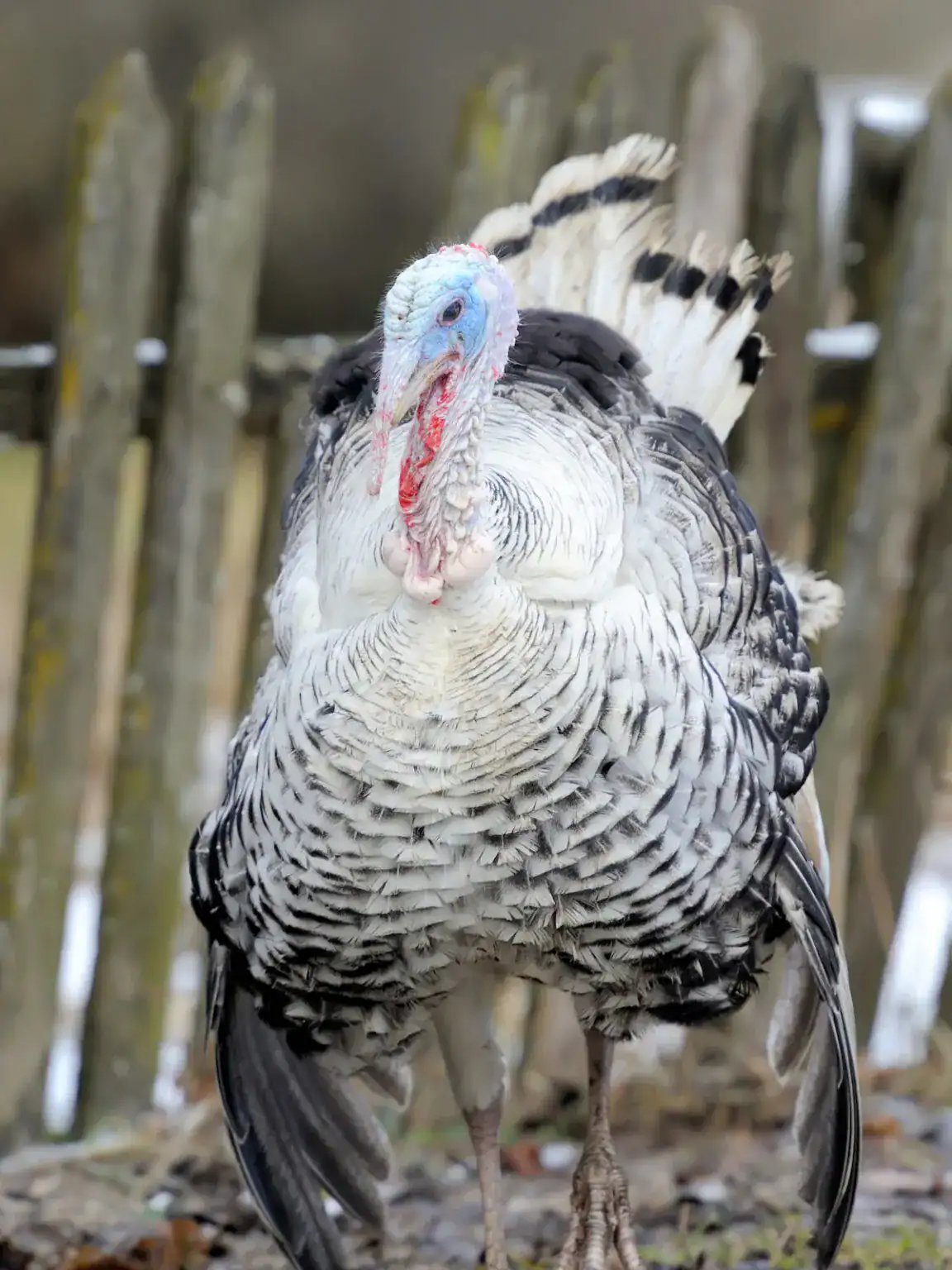
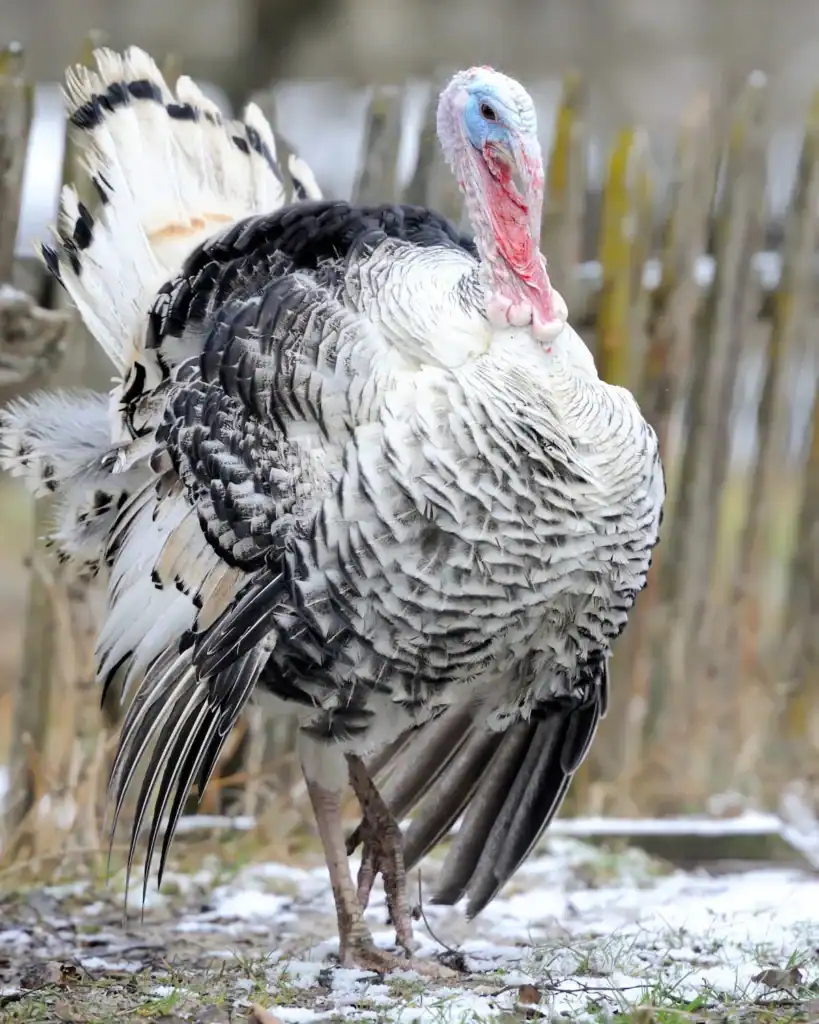
The first time I spotted a flock of wild turkeys in the middle of winter, I honestly stopped in my tracks. Snow covered the ground like powdered sugar on a cake, the trees stood bare and brittle, and the wind cut through my jacket like a sharpened knife. Yet there they were — those feathered tanks — marching across a frozen field as if winter had forgotten to send them the memo.
It got me thinking.
Most birds disappear once cold weather rolls in. Geese form their famous V-shaped caravans in the sky, songbirds vanish from the backyard, and suddenly the woods grow quieter. But turkeys? They stay put. No suitcase. No tropical getaway. No migration.
So how on earth do wild turkeys survive winter?
As it turns out, these birds are far tougher and smarter than most people realize. Beneath those awkward waddles and gobbling theatrics lives a surprisingly resilient survival machine.
Here’s what I learned about what turkeys eat during winter, where they live, where they sleep, and how they make it through months of snow and freezing temperatures.
Wild Turkeys Don’t Fly South for Winter
One thing surprised me right away: wild turkeys are non-migratory birds.
That means they stay in their home territory year-round instead of escaping winter like many other species. While they might move to lower elevations when heavy snow piles up, they generally remain in the same region through all four seasons.
And honestly, that’s pretty impressive.
Turkeys live in places where winters mean business — states like Wisconsin, New York, and parts of the Midwest where snowstorms roll in like freight trains.
Without thick fur or insulated dens, they rely on adaptation, instinct, and some clever survival habits.
Nature may deal them a brutal hand every winter, but turkeys know how to play the game.
What Do Turkeys Eat During Winter?
Winter changes the menu for wild turkeys dramatically.
During spring and summer, turkeys feast like kings at an all-you-can-eat buffet. They nibble greens, berries, seeds, insects, and even tiny critters. But once snow blankets the ground, food becomes harder to find.
That’s when turkeys switch gears and focus on calorie-rich foods that help them survive the cold.
Common Winter Foods for Wild Turkeys
| Food Source | Why It Matters |
| Acorns | High-fat energy source |
| Crabapples | Natural sugars and nutrients |
| Hazelnuts | Packed with calories |
| Winter berries | Easy to forage |
| Evergreen plants | Available even in snow |
| Seeds and leftover grains | Supplemental nutrition |
Acorns become especially important.
If oak trees produce a strong acorn crop during fall, turkeys enter winter with a stocked pantry waiting on the forest floor. In many ways, acorns serve as the turkey equivalent of comfort food during hard weather.
And turkeys need every calorie they can get.
Winter turns the woods into a survival contest where food equals fuel.
Fat Is a Turkey’s Winter Coat
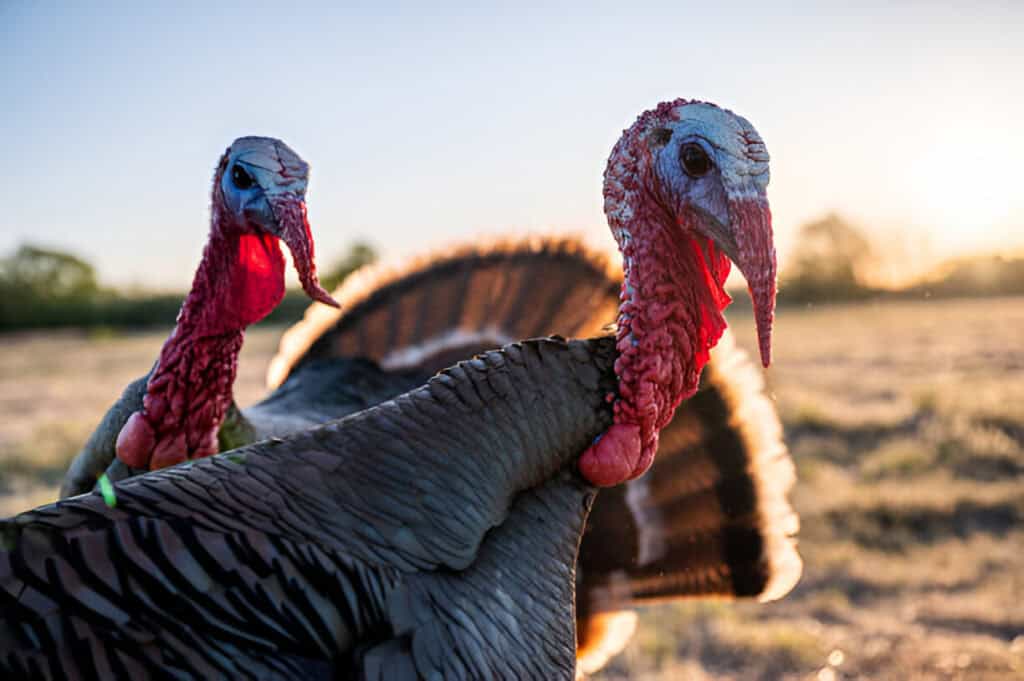
Since turkeys don’t grow thick fur like mammals, they survive winter using another trick: fat reserves.
Throughout spring, summer, and fall, wild turkeys spend most of their waking hours foraging and packing on weight. They prepare for winter the same way people prepare for a hurricane — stock up before conditions get ugly.
I found it fascinating that wild turkeys can lose a huge percentage of their body weight before starvation becomes critical.
That built-in reserve acts like a biological savings account.
When snow buries food sources, turkeys dip into those fat stores to stay alive.
Honestly, it makes me respect them even more. These birds don’t simply stumble through winter by luck. They prepare months in advance like seasoned survivalists.
Where Do Turkeys Live During Winter?
A lot of people assume wild turkeys hide inside barns or sheltered dens once temperatures drop.
Not quite.
Turkeys remain outdoors all winter long.
They typically stay in:
- Woodlands
- Forest edges
- Areas with dense shrubs
- Fields near tree cover
- Valleys protected from wind
The biggest thing turkeys look for during winter is shelter from harsh weather and easy access to food.
Winter Habitat Priorities for Turkeys
| Need | Preferred Habitat Feature |
| Wind protection | Dense trees |
| Roosting spots | Tall mature trees |
| Food access | Oak forests or berry patches |
| Snow shelter | Evergreen cover |
| Predator safety | Elevated roost sites |
Heavy snow changes turkey movement patterns dramatically.
When snow becomes too deep, turkeys conserve energy by limiting travel. Every unnecessary step burns calories, and calories become precious currency during winter.
So instead of roaming widely, they often stick close to reliable food sources and safe roosting areas.
Turkeys Sleep in Trees — Even During Winter
This shocked me when I first learned it.
Despite their size, wild turkeys sleep in trees at night.
That behavior is called roosting.
As evening settles in, turkeys fly into tree branches to stay safe from predators like coyotes, foxes, and bobcats. Their eyesight may not work well in darkness, but elevation gives them a better chance against nighttime hunters prowling below.
And yes — turkeys can fly.
Not gracefully. Not elegantly. But when they need to launch themselves into a tree, they suddenly transform from clumsy ground birds into feathery missiles.
Why Turkeys Roost in Trees
- Protection from predators
- Better visibility
- Reduced ground moisture exposure
- Safety during storms
- Group warmth and social security
I’ve watched wild turkeys fly up into trees at dusk before, and the whole thing feels strangely prehistoric. Wings thunder against the air, branches shake, and suddenly these giant birds disappear into the canopy like ghosts.
Nature really knows how to keep secrets.
What Happens During Snowstorms?
Here’s where turkey survival gets even more interesting.
During severe winter storms, turkeys often stay perched in trees for extended periods to avoid deep snow and dangerous conditions.
They hunker down, conserve energy, and wait things out.
Once the storm passes, they return to foraging almost immediately.
Winter survival for turkeys revolves around one simple principle:
Burn fewer calories than you consume.
That’s it.
Everything they do during winter — from limiting movement to selecting sheltered roosts — helps protect their energy reserves.
Honestly, turkeys remind me a little of seasoned campers. They know when to move, when to rest, and when to ride out the storm.
Should You Feed Wild Turkeys During Winter?
A lot of people feel tempted to help wild turkeys during winter.
I get it.
When snow piles high and temperatures nosedive, tossing out food feels compassionate. But wildlife experts generally advise against feeding wild turkeys regularly.
At first, that surprised me too.
Why Feeding Wild Turkeys Can Cause Problems
| Issue | Why It’s Risky |
| Dependency | Birds stop natural foraging |
| Disease spread | Groups gather too closely |
| Behavior changes | Wildlife loses natural caution |
| Predator attraction | Feeding areas attract predators |
| Legal concerns | Feeding wildlife is illegal in some states |
Feeding wildlife turkeys may seem harmless, but it can accidentally rewrite natural behaviors that animals depend on for survival.
And once wildlife starts associating humans with food, things can spiral quickly.
Aggression increases.
Disease spreads faster.
Predators notice patterns.
Nature’s balance gets nudged out of alignment.
Better Ways to Support Wild Turkeys Naturally
Instead of direct feeding, I’ve learned it’s far better to improve habitat naturally.
That way, turkeys stay wild while still benefiting from healthier environments.
Natural Ways to Encourage Turkeys
Plant Native Trees
Oak, hickory, and hazelnut trees provide reliable food sources.
Leave Some Brushy Areas
Dense shrubs offer shelter during storms and protection from predators.
Avoid Clear-Cutting
Turkeys thrive where forests contain mixed cover and open areas.
Preserve Natural Food Sources
Berry bushes and native grasses help sustain winter wildlife.
Think of it less like “feeding” wildlife and more like setting the table nature already intended.
What Do Turkeys Do During the Day?
During daylight hours, wild turkeys spend most of their time searching for food.
They roam fields, forest edges, and wooded areas while scratching through leaves and snow for:
- Nuts
- Seeds
- Fruits
- Insects
- Tiny reptiles or rodents
Turkeys stay surprisingly active during winter, though they usually travel shorter distances when conditions become harsh.
I’ve noticed they move with purpose too. They don’t wander aimlessly. Every step seems calculated, like tiny survival accountants balancing an energy budget.
What Happens After Rain?
Rain changes turkey behavior in interesting ways.
After nighttime rain, turkeys often remain in their roost trees a little longer while conditions improve. Once they descend, they immediately begin foraging again.
Fresh rain can actually create a feeding bonanza.
Wet ground brings:
- Worms
- Insects
- Larvae
- Fresh plant growth
To a turkey, a rainy morning can feel like brunch service reopening after a long closure.
Why I’ve Gained So Much Respect for Wild Turkeys
I’ll admit it — I used to underestimate turkeys.
Most people do.
They think of Thanksgiving tables, goofy waddles, or birds with awkward faces. But after learning how wild turkeys survive winter, I see them differently now.
These birds endure:
- Snowstorms
- Freezing temperatures
- Predators
- Food shortages
- Harsh winds
And somehow they keep going.
No migration.
No cozy den.
No handouts.
Just instinct, adaptation, and grit.
There’s something deeply admirable about that.
Every winter morning when I spot turkeys crossing a frosted field, they look less like clumsy birds and more like old frontier survivors carrying centuries of wilderness knowledge in their feathers.
Nature built them tougher than they look.
And honestly, winter belongs to animals like that.