Reviving My Bamboo After a Freeze: How I Brought a Frost-Bitten Garden Back to Life

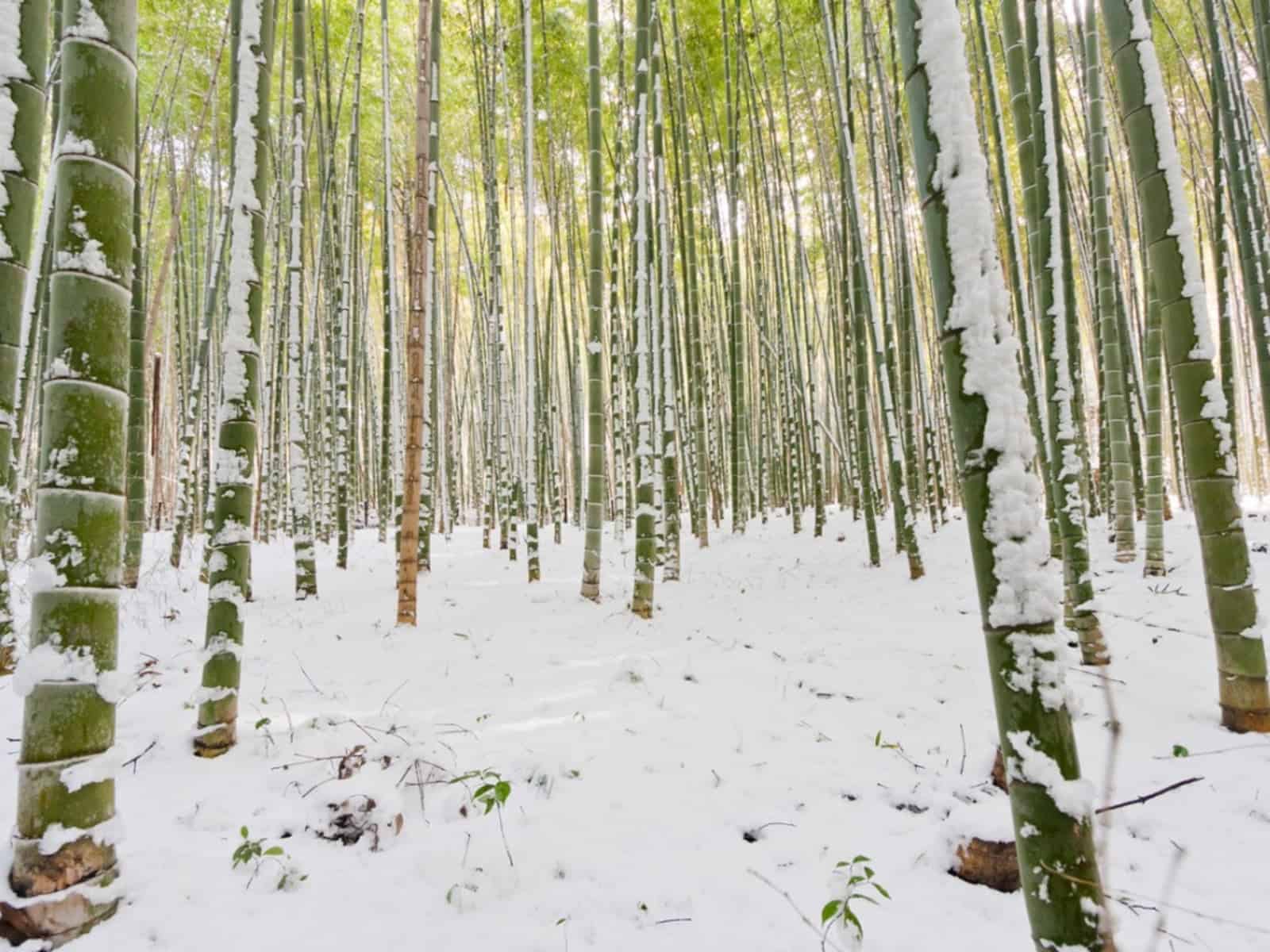
I still remember the morning I stepped outside with my coffee, expecting to see my bamboo swaying like it owned the breeze. Instead, I found a graveyard of limp leaves and lifeless canes. Overnight, a cold snap had rolled in like an uninvited guest and wrecked the party.
If you’ve ever watched your once-thriving bamboo turn into a sad, droopy mess after a freeze, you know the feeling—it’s like the garden lost its heartbeat. But here’s the thing: bamboo is tougher than it looks. Beneath that frost-bitten exterior, there’s often a fighter waiting to bounce back.
Let me walk you through exactly how I nursed mine back to life—step by step, mistake by mistake, and win by win.
First Reality Check: Is It Really Dead?
Before I grabbed my pruning shears and went full “plant surgeon,” I had to answer one question: Was my bamboo actually dead, or just playing possum?
I started with a simple inspection.
What I Looked For
- Texture of the canes (culms)
- Soft and mushy? Bad news.
- Firm but discolored? Still hope.
- Leaf condition
- Crispy and brown doesn’t always mean dead—it could just be shock.
- Roots underground
I gently dug around the base like I was uncovering buried treasure. Healthy roots felt:- Firm
- Pale or white
- Not smelly or slimy
Here’s a quick cheat sheet I wish I had back then:
| Plant Part | Healthy Sign | Danger Sign |
| Canes | Firm, green inside | Soft, black, mushy |
| Leaves | Slight yellowing | Crispy, fully brown |
| Roots | White, firm | Brown, rotting, foul smell |
If the roots are alive, you’re still in the game. That’s your bamboo’s lifeline.
Cutting Losses (Literally): Pruning the Damage
Once I confirmed there was hope, I rolled up my sleeves and started pruning. And let me tell you—this part felt brutal. Cutting into your plant feels like betrayal, but it’s actually an act of mercy.
I removed:
- Blackened stems
- Completely dried canes
- Weak, floppy growth
My Rule of Thumb:
If it looks gone, it’s gone.
But I didn’t go wild with the shears. I cut my bamboo gradually, stopping when I reached healthy green tissue. Think of it like peeling an onion—you don’t want to chop the whole thing when only the outer layer is bad.
Why Pruning Matters
- Redirects energy to healthy parts
- Improves airflow
- Prevents fungal infections
After pruning, my bamboo looked… well, let’s just say it had a “minimalist” aesthetic. But underneath, it was ready to rebuild.
Wrapping It Up: Protecting Against the Cold
Here’s where I learned my lesson the hard way—bamboo hates the cold like cats hate water.
So I gave it a cozy setup.
What I Used:
- Thick mulch layer (about 5–10 cm)
- Dry leaves and straw for insulation
- A burlap wrap during colder nights
Mulching the base felt like tucking the roots in with a warm blanket. It stabilized soil temperature and kept the frost from creeping in again.
If your bamboo lives in a pot, you’ve got an advantage—move it somewhere sheltered:
- Near a wall
- Inside a greenhouse
- Or even indoors temporarily
| Check out: Phyllostachys Aurea (Golden Bamboo) Care and Growing Guide |
Watering: Walking a Tightrope
After the freeze, I made my first big mistake—I overwatered.
I thought, “It’s damaged, it needs more water!”
Wrong.
Bamboo after a freeze behaves like a tired athlete—it needs hydration, yes, but not a flood.
What Actually Worked
- I checked the top inch of soil
- Only watered when it felt dry
- Ensured proper drainage
The Balance
| Too Much Water | Too Little Water |
| Root rot | Stress & dehydration |
| Fungus growth | Slowed recovery |
The sweet spot? Slightly moist soil—not soggy, not bone-dry.
Feeding the Comeback: Fertilizing Right
Once I saw the first signs of recovery (tiny green shoots—my favorite sight ever), I introduced fertilizer.
But I didn’t go all-in like a buffet line.
What I Used:
- Balanced slow-release fertilizer
- Light application (less is more!)
Bamboo grows fast, and when it’s recovering, it needs nutrients like a runner needs fuel. But too much fertilizer can burn roots and stall progress.
Nutrients That Help Most
- Nitrogen (N): Encourages leafy growth
- Phosphorus (P): Supports root development
- Potassium (K): Boosts overall resilience
Watching Closely: The Waiting Game
This part tested my patience more than anything.
I checked my bamboo almost daily—probably more than necessary—but I couldn’t help it. It felt like waiting for a friend to wake up after a long nap.
Signs I Looked For
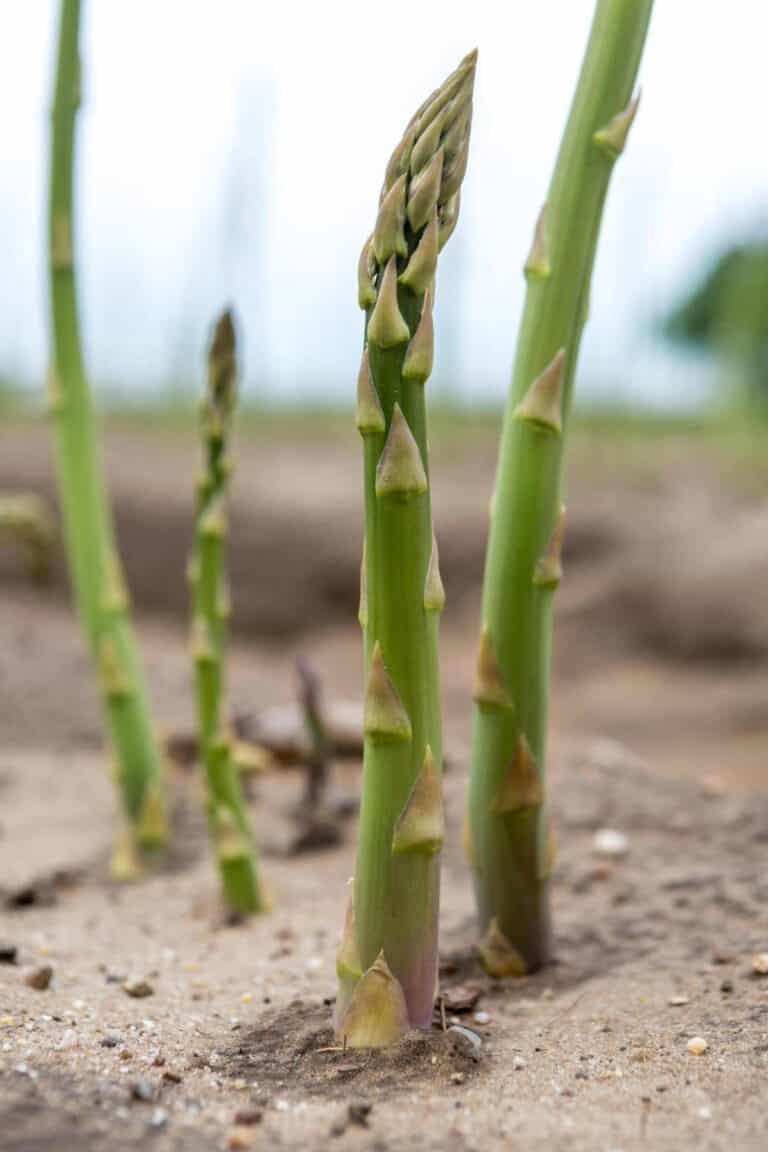
- New shoots emerging from the base
- Greener, stronger leaves
- Upright growth instead of drooping
And when I finally saw that first fresh shoot pushing through the soil? That moment felt like the garden whispering, “I’m not done yet.”
Future-Proofing: Never Getting Caught Off Guard Again
After that freeze fiasco, I swore I wouldn’t let my bamboo get blindsided again.
So I changed my strategy.
What I Do Now
- Choose cold-tolerant bamboo varieties
- Add mulch before cold seasons
- Keep frost cloth ready like an umbrella before rain
- Monitor weather forecasts like a hawk
Quick Prevention Checklist
- ✔ Mulch regularly
- ✔ Protect during cold snaps
- ✔ Avoid late-season fertilizing (can trigger weak growth)
- ✔ Plant in sheltered locations

Lessons My Bamboo Taught Me
Reviving my bamboo wasn’t just about gardening—it felt like a quiet lesson in resilience.
Plants don’t panic. They pause, adapt, and push forward when conditions improve. And honestly, there’s something grounding about that.
If your bamboo looks like it’s been through the wringer, don’t write it off too soon. Underneath the damage, there’s often a comeback story waiting to unfold.
Quick Step-by-Step Recap
If you want the fast-track version, here’s everything boiled down:
- Assess damage – Check canes and roots
- Prune dead parts – Cut back to healthy tissue
- Insulate roots – Use mulch or coverings
- Water carefully – Keep soil lightly moist for bamboo growth
- Fertilize lightly – Support new growth
- Monitor progress – Watch for new shoots
- Prepare ahead – Protect from future freezes
Final Thoughts: From Frostbite to Fresh Growth
That frozen morning felt like the end of the story—but it wasn’t. It was just a plot twist.
With a bit of care, patience, and a willingness to get my hands dirty, my bamboo came back stronger, greener, and more resilient than before. Now, when the wind moves through those tall canes again, it doesn’t just sound like rustling leaves—it sounds like a quiet victory.
So if your bamboo just took a hit from the cold, don’t throw in the towel. Grab your tools, trust the process, and give it a fighting chance.Because sometimes, life in the garden isn’t about avoiding the frost—
it’s about learning how to grow after it.