How I Brought My Red Robin Tree Back from the Brink (And How You Can Too)

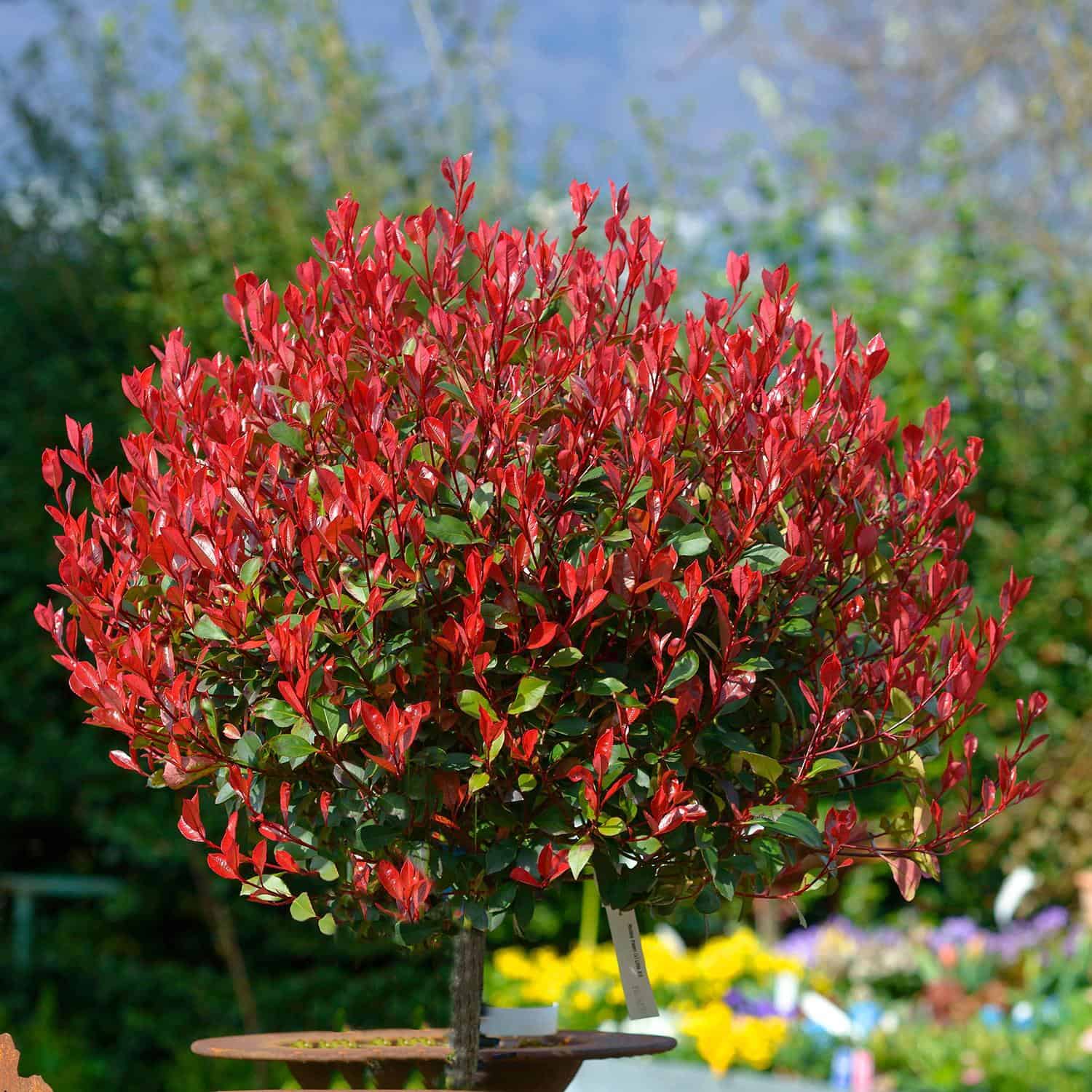
There’s something about a Red Robin tree that feels like pure garden magic. Those glossy green leaves tipped with fiery red shoots? They don’t just sit there—they show off. Mine used to steal the spotlight in my yard, like the lead actor in a well-rehearsed play. But one season, the curtain dropped. Leaves fell, color faded, and the whole tree looked like it had lost its spark.
I’ll be honest—I thought I was watching the beginning of the end.
But instead of giving up, I rolled up my sleeves and treated it like a comeback story. And what I learned along the way? A struggling Red Robin doesn’t need a miracle—it needs the right moves at the right time.
Let me walk you through exactly how I turned things around.
Reading the Signs: What My Tree Was Trying to Tell Me
Before I touched a single leaf, I had to play detective. Plants don’t speak, but they whisper clues if you pay attention.
Here’s what I noticed—and what it meant:
| Symptom | What It Told Me |
| Yellow leaves | Too much water or poor drainage |
| Brown, crispy tips | Not enough water or salt buildup |
| Black spots | Possible fungal infection |
| Slow growth | Nutrient deficiency or poor soil |
It felt like piecing together a puzzle. Once I cracked the code, everything else started to make sense.
| Check out: How to Revive a Calamansi Tree |
Watering: Finding the Sweet Spot
Watering my Red Robin used to feel like guesswork. Some days I drowned it with kindness, other days I forgot it entirely. Turns out, both extremes do more harm than good.
So I changed my approach.
What I Do Now:
- I stick my finger about an inch into the soil
- If it’s dry → I water
- If it’s still moist → I wait
Simple, but effective.
My Golden Rule:
Water deeply, but don’t hover with the hose every day.
Deep watering encourages roots to grow down instead of staying lazy near the surface.
Soil: The Foundation I Was Ignoring
Here’s a hard truth: I used to treat soil like it was just… dirt. Big mistake.
Healthy soil is like a well-stocked kitchen—it gives your plant everything it needs to thrive.
What I Fixed:
- Improved drainage (no more soggy roots)
- Added organic compost
- Checked soil pH (slightly acidic to neutral works best)
Fertilizer Game Plan
| Time | What I Use | Why |
| Early Spring | Balanced fertilizer (10-10-10) | Kickstarts growth |
| Mid-Summer | Light feeding | Maintains energy |
I learned the hard way: more fertilizer doesn’t mean faster results. It’s like overfeeding—too much just causes problems.
Pruning: Tough Love That Works
Pruning felt like cutting off a lifeline at first. But in reality, it’s more like clearing traffic so healthy growth can move freely.
What I Cut:
- Dead branches
- Diseased areas
- Overcrowded growth
How I Did It:
- Clean, sharp cuts
- Just above a bud or node
- Never more than one-third of the tree at once
After pruning, my tree looked a bit… naked. But within weeks, new shoots started popping up like fireworks.
Dealing with Pests and Diseases (The Unwanted Guests)
Let me tell you—if your tree struggles, pests show up like they own the place.
I found:
- Aphids clinging to new growth
- Tiny scale insects hiding along stems
- Fungal spots spreading like gossip
My Go-To Fixes:
- Neem oil spray for pests
- Insecticidal soap for infestations
- Better air circulation to stop fungus
Prevention Tips:
- Avoid watering leaves directly
- Keep branches spaced out
- Check regularly—don’t wait for a full-blown invasion
| Read on: How to Revive a Conifer Tree: Proven Tips for a Healthier Plant |
Light: Giving It Room to Shine
I didn’t realize how much placement mattered until I moved my tree.
Red Robins love sunlight—but not the scorching, relentless kind all day.
Ideal Conditions:
- 4–6 hours of direct sunlight
- Light afternoon shade in hotter climates
If your tree sits in constant shadow, it’s like trying to run a race with no fuel.

Seasonal Adjustments: Playing the Long Game
One thing I learned quickly—what works in summer won’t cut it in winter.
So I started adapting.
My Seasonal Care Routine
| Season | What I Focus On |
| Spring | Feeding, pruning, new growth |
| Summer | Watering, pest control |
| Autumn | Light pruning, cleanup |
| Winter | Protection from cold and wind |
During colder months, I add mulch around the base. It acts like a warm blanket for the roots.
Lessons I Learned the Hard Way
Looking back, my Red Robin didn’t fail—I just didn’t understand it yet.
Here’s what stuck with me:
- Plants don’t need constant attention—they need consistent care
- Overdoing things often causes more harm than neglect
- Small changes create big results over time
And maybe the biggest lesson of all?
A struggling plant isn’t a lost cause—it’s a plant asking for help.
Quick Recovery Checklist
If your Red Robin looks like it’s on its last legs, here’s your action plan:
- ✔ Check soil moisture before watering
- ✔ Improve drainage if needed
- ✔ Feed with balanced fertilizer
- ✔ Prune dead or damaged growth
- ✔ Inspect for pests weekly
- ✔ Ensure proper sunlight exposure
- ✔ Adjust care based on the season
The Comeback Moment
I still remember the day I saw those bright red leaves return. It felt like the tree was taking a deep breath after holding it for months.
That moment made every bit of effort worth it.
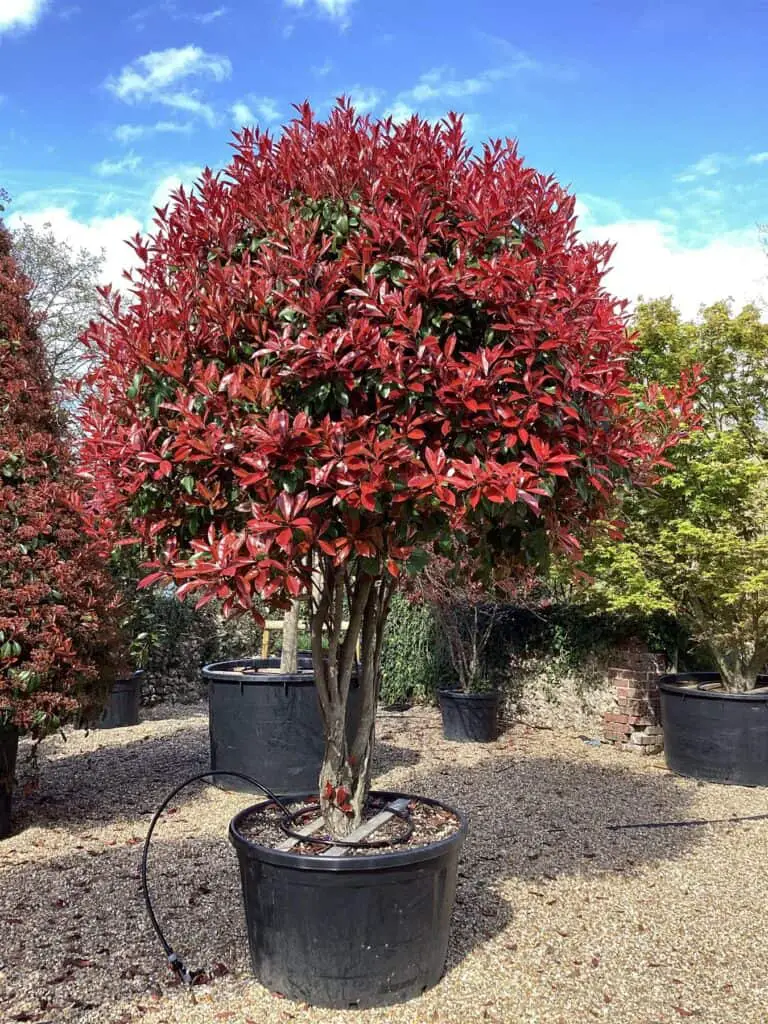
Now, my Red Robin stands tall again—full, vibrant, and impossible to ignore. Not perfect, but strong. And honestly, that’s even better.
Final Thoughts: Growing Through the Struggle
Reviving my Red Robin tree wasn’t just about gardening—it was about patience, observation, and learning to listen without words.
If your tree looks tired or worn out, don’t throw in the towel. Give it time, give it care, and most importantly, give it a chance.
Because sometimes, the best gardens aren’t the ones that never struggle—
they’re the ones that bounce back stronger than ever.