Photinia X Fraseri (Fraser’s Photinia): Plant Care and Growing Guide

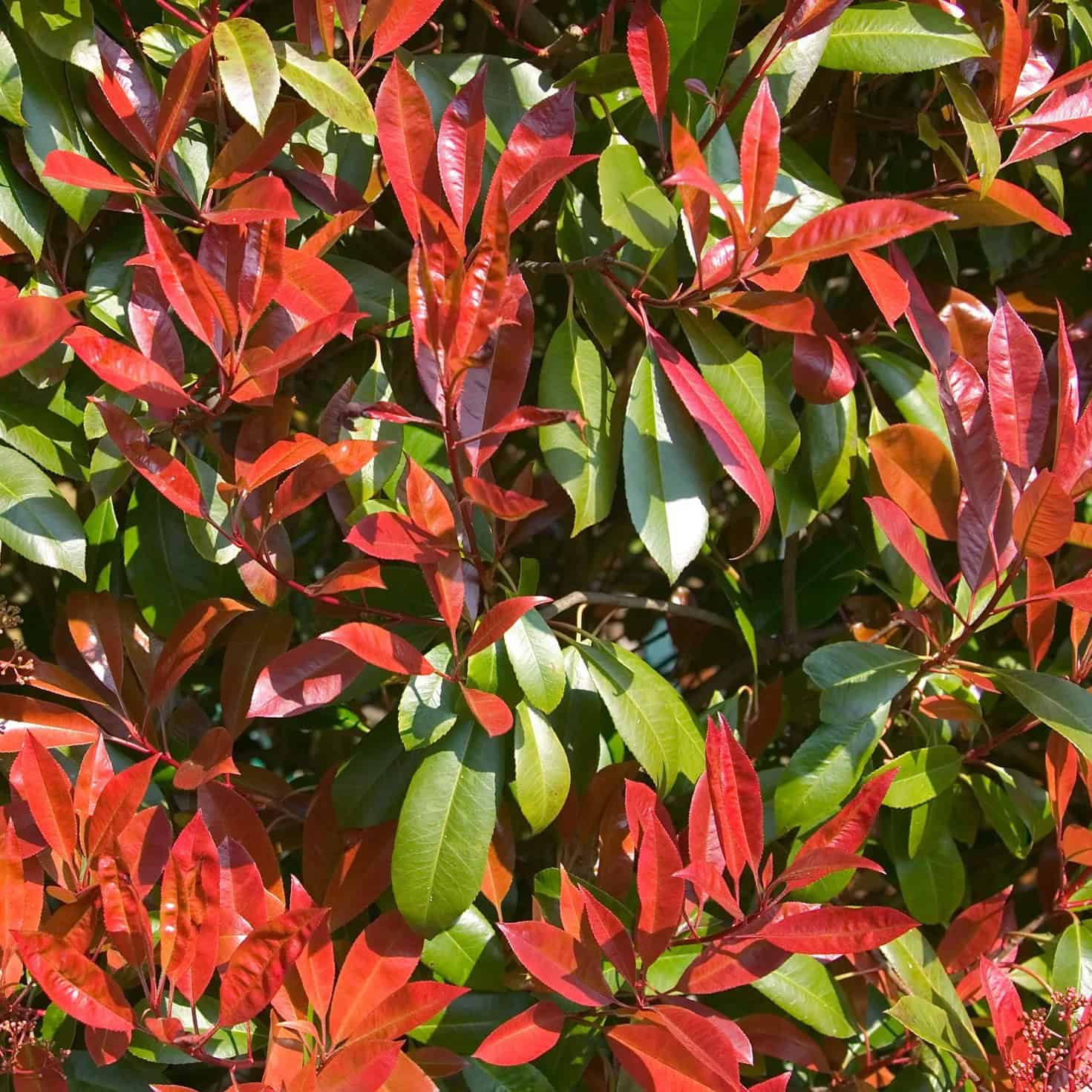
When I first planted a Fraser’s Photinia (Photinia × fraseri), I never anticipated it would become the focal point of my yard. I just wanted a fast-growing evergreen to fill an awkward empty corner of my yard. You know the kind—the spot that looks like a missing tooth in an otherwise charming smile.
A couple of seasons later, that little shrub had turned into a lush, vibrant wall of glossy leaves. In spring, the new foliage blazed bright red like a sunrise. Birds perched on its branches like they owned the place. My quiet little garden suddenly felt alive.
That’s when I realized something: Fraser’s Photinia doesn’t just grow—it performs.
The good news? This plant doesn’t require excessive care. If you understand a few simple care basics—water, sunlight, and soil—it grows happily and rewards you with thick foliage and year-round color.
So let me walk you through how I grow and care for Fraser’s Photinia, along with a few lessons I learned the hard way.
Meet Fraser’s Photinia: A Garden Workhorse With Style
Fraser’s Photinia sits comfortably in the Rosaceae family and carries the botanical name Photinia × fraseri. Gardeners love it for one simple reason: it grows quickly and looks fantastic doing it.
Here’s what makes it special:
- Glossy evergreen foliage
- Brilliant red new growth in spring
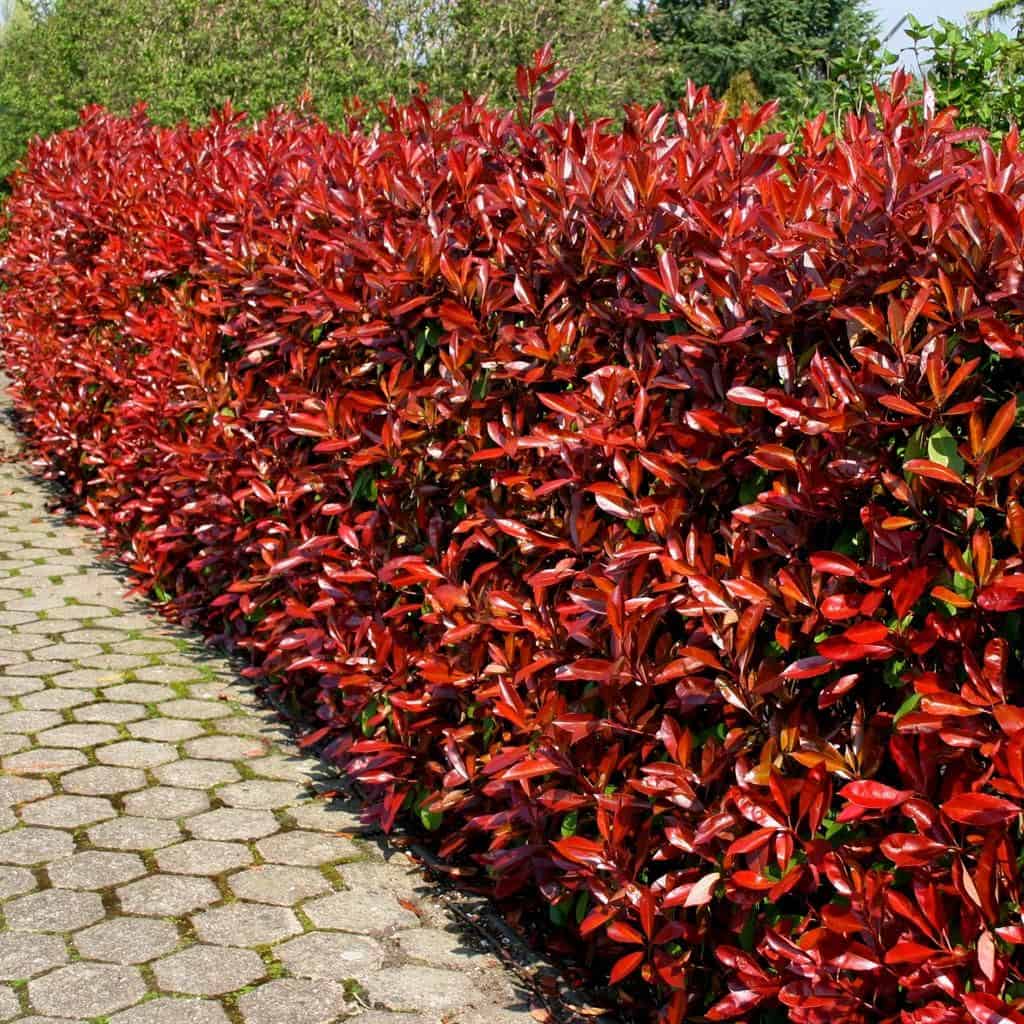
- Dense branching perfect for hedges
- Low maintenance once established
In many gardens, this plant works like the green backbone of the landscape—the quiet hero holding everything together.
If you want a plant that fills space fast while looking elegant, Fraser’s Photinia fits the bill.
Fraser’s Photinia at a Glance
Here’s a quick cheat sheet I wish I had when I first planted mine.
| Feature | Details |
| Botanical Name | Photinia × fraseri |
| Plant Type | Evergreen shrub / small tree |
| Mature Height | 12–15 ft (3.6–4.5 m) |
| Mature Width | 12–15 ft |
| Growth Rate | Fast |
| Sunlight | Full sun to partial shade |
| Water Needs | Moderate |
| Soil | Moist but well-drained |
| Special Feature | Red spring foliage |
Think of this table as the plant’s résumé—short, sweet, and straight to the point.
Where Fraser’s Photinia Grows Best
Every plant carries a little memory of its homeland. Fraser’s Photinia traces its roots back to Europe and Asia, and those origins shape what it likes.
It thrives in:
- Mild climates
- Temperate regions
- Areas with seasonal variation
Most gardeners grow it successfully in USDA zones 7–9, though it can stretch a bit outside that range with the right care.
But here’s the real trick I learned:
Photinia loves airflow and sunlight.
Plant it in a cramped, shady corner and it sulks. Give it space and sunshine, and it grows like it’s chasing the sky.
Growth and Size: Give It Room to Stretch
Fraser’s Photinia doesn’t tiptoe into the garden. It arrives with ambition.
A mature plant typically reaches the following height:
- Height: 12–15 feet
- Width: 12–15 feet
That means you should give it plenty of elbow room.
Ideal spacing
| Planting Type | Spacing Recommendation |
| Hedge | 5–6 feet apart |
| Privacy screen | 8–10 feet apart |
| Specimen plant | 12 feet clearance |
When I planted my first Photinia, I underestimated its growth. Two years later, it practically elbowed the neighboring shrubs out of the way.
Lesson learned: plan ahead.
Watering Fraser’s Photinia (My Simple Rule)
If plants could talk, Fraser’s Photinia would probably say:
“Just don’t let me dry out completely.”
This shrub prefers consistent moisture, especially during its first growing season.
My watering routine
- Water deeply once per week
- Increase watering during hot summer months
- Reduce watering during cool or rainy periods
But the real trick is something gardeners call the thumb test.
The thumb test
- Push your finger about 1 inch into the soil
- If it feels dry, water
- If it feels moist, leave it alone
Simple, right?
This little habit has saved me from both overwatering disasters and crispy leaves.
Soil: The Foundation of Healthy Growth
Soil acts like the kitchen pantry of your plant. If the pantry stays empty—or waterlogged—the plant struggles.
Fraser’s Photinia prefers soil that is
- Moist
- Well-draining
- Slightly acidic to neutral
Ideal soil mix
| Ingredient | Purpose |
| Sand | Improves drainage |
| Loam | Adds nutrients |
| Clay | Holds moisture |
A balanced mix keeps roots happy and prevents water from pooling.
One thing I avoid at all costs: heavy, soggy soil. Roots hate standing water as much as people hate wet socks.
Sunlight: The Secret to Vibrant Red Leaves
Sunlight fuels Fraser’s Photinia like gasoline in an engine.
For the best color and growth, aim for:
- Full sun: 6+ hours daily
- Partial shade: 2–6 hours of sunlight
The more sun it gets, the more intense the red foliage becomes.
When I moved one Photinia from a shaded spot into brighter light, the difference stunned me. The new leaves blazed crimson like a bonfire.
Plants don’t whisper their needs—they shout them through their growth.
Seasonal Beauty Throughout the Year
One reason I keep Photinia in my garden is its four-season appeal.
Here’s what it does through the year.
| Season | What Happens |
| Spring | Bright red new leaves emerge |
| Early Summer | White flower clusters appear |
| Summer | Leaves deepen to glossy green |
| Fall & Winter | Evergreen foliage remains |
The plant never truly disappears. Even in winter, it stands tall like a green sentinel in the garden.
Flowers and Foliage
While people plant Photinia for its leaves, the flowers deserve some applause too.
In spring, clusters of small white blossoms appear. They may not rival roses in fragrance, but they attract pollinators and add seasonal charm.
Meanwhile, the leaves go through their own color journey:
- Bright red (new growth)
- Copper tones
- Deep glossy green
It’s like watching a tiny seasonal color show.
Wildlife Benefits
Fraser’s Photinia quietly turns your garden into a small ecosystem.
Birds love it.
They use its dense branches for:
- Nesting
- Shelter
- Perching
In my yard, sparrows and finches treat the Photinia hedge like a busy apartment complex.
And surprisingly, the plant tolerates browsing from:
- Deer
- Rabbits
That resilience makes it a practical choice for wildlife-heavy areas.

Best Uses in the Garden
Fraser’s Photinia adapts to many landscaping styles. I’ve seen it thrive in everything from rustic cottage gardens to sleek modern yards.
Popular landscape uses
- Privacy hedges
- Windbreaks
- Decorative topiary
- Garden borders
- Stand-alone specimen trees
Here’s a quick guide.
| Landscape Role | Why It Works |
| Privacy screen | Dense evergreen foliage |
| Hedge | Easy to shape |
| Accent plant | Colorful spring growth |
| Wind barrier | Strong branching structure |
If hedges could win awards, Fraser’s Photinia would walk away with the trophy.
Companion Plants That Pair Beautifully
Even the best plants benefit from good neighbors.
I like pairing Photinia with plants that contrast its color and texture.
Great companion plants include:
- Euonymus – bright foliage contrast
- Lagerstroemia (Crape Myrtle) – summer flowers
- Boxwood – tidy evergreen structure
- Lavender – soft texture and fragrance
Together, these plants create layers—like instruments in a well-balanced orchestra.
My Biggest Photinia Care Tips
After growing this shrub for years, a few lessons stick with me.
1. Give it breathing room
Crowded plants invite disease.
2. Prune lightly
Regular trimming keeps it dense and healthy.
3. Watch the watering
Too little dries it out. Too much drowns it.
4. Plant it where it gets sun
Sunlight unlocks its famous red foliage.
Follow these tips and your Photinia will grow like it owns the place.
Final Thoughts: Why I Keep Planting Fraser’s Photinia
Some plants demand constant attention. Others practically grow themselves.
Fraser’s Photinia falls into that sweet middle ground. Give it the basics—sun, water, and decent soil—and it rewards you with:
- Thick evergreen foliage
- Brilliant spring color
- A living wall of greenery
In my garden, it plays the role of both workhorse and showpiece. It fills empty spaces, shelters birds, and paints the yard with flashes of red each spring.
If your landscape needs a dependable evergreen with personality, Fraser’s Photinia might be exactly what you’re looking for.
And trust me—once it settles in, your garden will never look the same again.