Horstmann’s Silberlocke Korean Fir: Plant Care and Growing Guide

Some plants whisper politely in the background. Others walk into the garden like they own the place.
The moment I planted Horstmann’s Silberlocke Korean Fir, I knew it belonged to the second category.
This evergreen doesn’t shout with massive flowers or flashy colors. Instead, it charms you slowly—like a quiet storyteller who suddenly reveals a brilliant plot twist. Its curled needles flash silvery undersides, catching sunlight like tiny mirrors. One glance turns into two, then three.
In this guide, I’ll share exactly how I grow and care for this remarkable little fir without turning gardening into a full-time job.
Why This Korean Fir Stole a Spot in My Garden
Every gardener has a weakness. Mine happens to be unusual conifers.
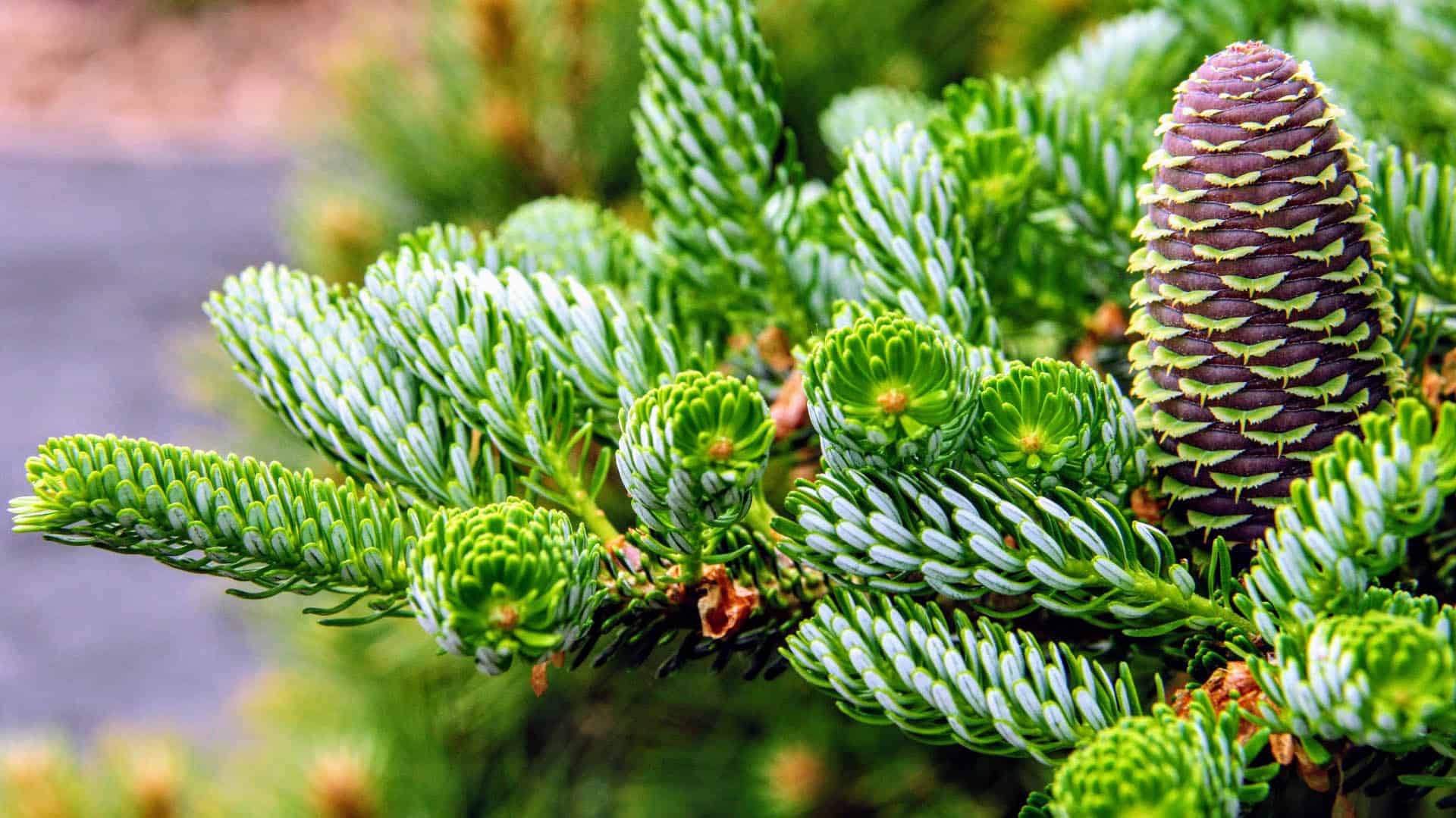
When I first saw the curling needles of this Korean fir, I thought they looked like green ribbons twisting in the wind. The needles curve upward, exposing their silvery undersides, which makes the entire plant shimmer.
Here’s why I keep recommending it to fellow gardeners:
- It grows slowly and predictably
- It stays compact and manageable
- It provides year-round evergreen beauty
- It works beautifully in small gardens or containers
- It handles cold climates and moderate drought
In short, it’s a low-drama plant with high visual payoff.
Quick Overview of Horstmann’s Silberlocke Korean Fir
Before diving into care tips, here’s a quick snapshot of the plant.
| Feature | Details |
| Botanical Name | Abies koreana ‘Horstmann’s Silberlocke’ |
| Plant Type | Evergreen conifer |
| Mature Height | 1–2 ft |
| Mature Width | 1–2 ft |
| Growth Rate | Slow |
| Sun Needs | Full sun to partial sun |
| Soil Needs | Moist, well-draining soil |
| Special Feature | Curled needles with silvery undersides |
Think of it as a miniature Christmas tree with a silver lining.
A Look at Its Botanical Roots
This plant belongs to the Abies genus, which includes fir trees found across cool mountain regions.
The cultivar itself comes from Abies koreana, a species native to mountainous regions of South Korea.
In nature, Korean firs grow in cool, misty forests where:
- soil drains well
- summers stay mild
- winters bring cold temperatures
Understanding this origin helps a lot. Plants carry their homeland in their DNA like a passport stamped at birth. When we recreate similar conditions in our gardens, they reward us with healthy growth.
Growth Habit: Small but Full of Personality
Some trees shoot up like rockets. This tree prefers a more leisurely growth path.
Typical Size
| Dimension | Size |
| Height | 1–2 ft (30–60 cm) |
| Width | 1–2 ft (30–60 cm) |
Because it grows slowly, it’s perfect for:
- rock gardens
- container gardening
- small patios
- bonsai-style landscapes
Its shape forms a neat pyramidal silhouette, almost like a tiny mountain peak rising from the soil.
I like to give it about 30 inches of space so the branches can stretch comfortably.
Watering: The Balancing Act
Watering this fir requires a bit of balance. Too dry and it sulks. Too wet and it complains.
I aim for consistently moist soil without turning the ground into a swamp.
My Simple Watering Routine
- Water regularly during the growing season
- Never allow the soil to dry completely
- Reduce watering slightly in winter
The trick I rely on? The classic gardener’s finger test.
Stick your finger into the soil about an inch deep.
- Dry → water it
- Slightly damp → wait a day or two
It’s simple, reliable, and far more accurate than guessing.
Soil: Where Good Roots Begin
If roots could vote, this fir would choose well-draining soil every time.
Heavy, soggy soil suffocates the roots. On the other hand, soil that drains too quickly leaves the plant thirsty.
Ideal Soil Mix
| Component | Purpose |
| Loam | Retains nutrients |
| Sand | Improves drainage |
| Clay | Adds structure |
I usually mix compost into the soil before planting. Compost works like a slow-release buffet for plants, offering nutrients without overwhelming them.
Preferred Soil pH
The plant adapts best to:
- Neutral soil
- Slightly acidic soil
Thankfully, most garden soils already fall into that range.
Sunlight: Let It Shine
This Korean fir appreciates sunlight—but it doesn’t demand blazing heat all day.
Best Light Conditions
| Light Level | Hours of Sun |
| Full sun | 6+ hours daily |
| Partial sun | 2–6 hours daily |
In hotter climates, a little afternoon shade helps prevent stress.
I planted mine where it receives morning sun and gentle afternoon shade. The needles glow in the morning light like frost on a winter window.
Related: Korean Spice Viburnum (Viburnum Carlesii): Plant Care and Growing Guide
Year-Round Presence in the Garden
Unlike deciduous plants that drop leaves and disappear for months, this fir stays green all year long.
Every season gives it a different personality.
| Season | What Happens |
| Spring | Fresh growth begins |
| Summer | Needles deepen in color |
| Autumn | Shape becomes fuller |
| Winter | Evergreen star of the garden |
In winter, when most plants look tired and skeletal, this little fir stands proud like a soldier in green armor.
Foliage: The Real Showstopper
Let’s be honest—the foliage steals the spotlight.
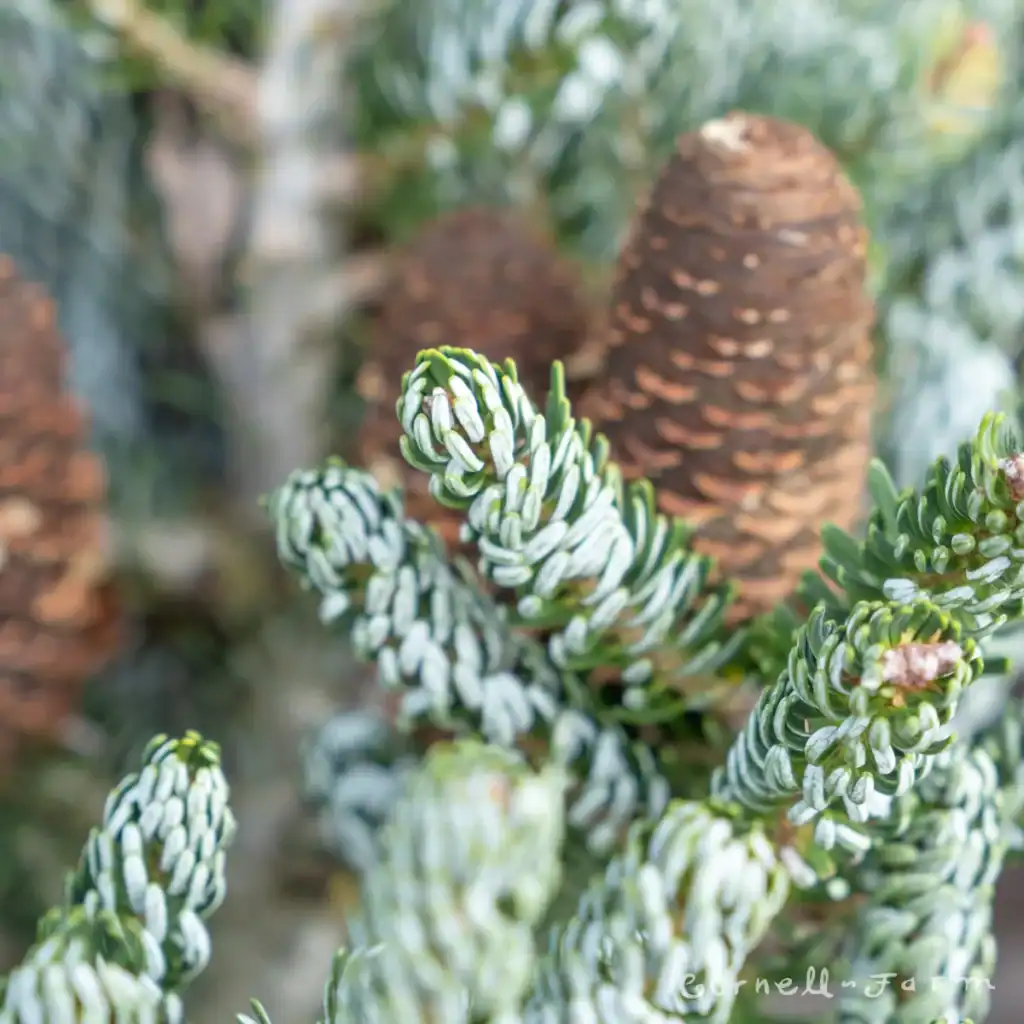
The needles grow short (under one inch) and twist upward, exposing their silver undersides.
That twist creates the plant’s famous two-tone effect:
- dark green above
- silvery white below
When the breeze moves through the branches, the plant flickers between green and silver like a deck of cards shuffling in the wind.
Few small conifers match that visual drama.
Wildlife and Resistance
One reason I appreciate this plant is its toughness.
Natural Advantages
- Drought tolerance once established
- Deer resistance
- Minimal pest problems
Deer tend to ignore it, which already makes it a hero in many gardens.
In areas where deer treat gardens like salad bars, that resistance becomes priceless.

Where This Fir Looks Best
Because of its compact size and elegant shape, this plant fits into many garden styles.
Garden Styles That Work Beautifully
- Asian / Zen gardens
- Rock gardens
- Cottage gardens
- Woodland landscapes
- Traditional garden beds
Best Planting Locations
- containers and patios
- borders and beds
- small gardens
- specimen plantings
Personally, I love placing it where it can stand alone as a focal point. Its shape and silver needles deserve the spotlight.
Companion Plants I Like to Use
Pairing plants thoughtfully makes a garden feel cohesive.
Two companions that work especially well are:
- Physocarpus
- Viburnum
Why they work:
| Companion Plant | Benefit |
| Physocarpus | Adds colorful foliage contrast |
| Viburnum | Provides seasonal flowers and berries |
The combination creates layers—like musicians playing different instruments in the same orchestra.
My Personal Growing Tips
After growing this fir for several seasons, I’ve picked up a few habits that keep it healthy.
Tips I Swear By
- Plant it in well-drained soil from the start.
- Avoid overwatering—moist, not soggy.
- Mulch lightly to keep soil cool.
- Give it breathing room.
- Resist the urge to prune too much.
This plant naturally forms a beautiful shape. Too much pruning would be like editing a poem that already rhymes perfectly.
Final Thoughts
The Horstmann’s Silberlocke Korean Fir proves that a plant doesn’t need towering height or flashy flowers to command attention.
Its charm comes from:
- sculptural shape
- shimmering needles
- calm, steady growth
In the garden, it feels like a quiet anchor—a plant that holds everything together while other flowers bloom and fade around it.
Give it sunlight, keep the soil moist but well-drained, and let it grow at its own pace.
Before long, you’ll have a little evergreen sculpture in your garden—one that glows silver whenever the sun touches its needles.
And trust me, once you notice that shimmer, you’ll never walk past it without stopping for another look. 🌲✨