Dwarf Balsam Fir (Abies Balsamea ‘Nana’): Plant Care and Growing Guide

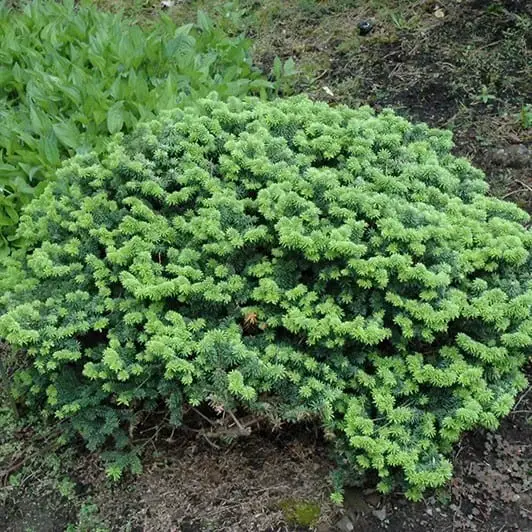
The Dwarf Balsam Fir is one of those charming evergreens that proves a small plant can make a big impression. With its rich green needles, naturally rounded shape, and slow-growing habit, this compact conifer brings year-round beauty to rock gardens, patios, borders, and smaller landscapes. I especially like the idea of using it as a low-maintenance focal point in a garden where space is limited.
Although this dwarf fir is relatively easy to grow in the right climate, it still needs a little attention to sunlight, soil drainage, and moisture. Get those basics right, and it can reward you with a dense, attractive shape without demanding constant pruning or complicated care.
In this guide, I’ll walk through everything you need to know about growing and caring for Dwarf Balsam Fir, from choosing the right planting spot to watering, soil preparation, seasonal interest, and companion plants.
Dwarf Balsam Fir Care at a Glance
| Care requirement | Recommendations |
| Botanical name | Abies balsamea ‘Nana’ |
| Common names | Dwarf Balsam Fir, Balsam Fir ‘Nana’ |
| Plant family | Pinaceae |
| Plant type | Dwarf evergreen conifer |
| Mature size | Approximately 1–2 feet tall and wide, though growth varies |
| Growth rate | Slow |
| Sunlight | Full sun to partial shade; provide afternoon shade in warmer climates |
| Watering | Water deeply when the soil begins to dry; avoid waterlogged roots |
| Soil | Moist, well-draining, slightly acidic to neutral soil |
| Foliage | Dark green needles |
| Best uses | Rock gardens, borders, containers, patios, and small gardens |
| Maintenance | Low, with little or no routine pruning |
| Climate | Best suited to cool climates with mild summers |
My top care tips: Plant your Dwarf Balsam Fir in a cool location with good drainage, keep its root zone consistently moist without saturating it, and protect it from prolonged heat. These steps matter more than frequent feeding or pruning.
Botanical Background: What Is Dwarf Balsam Fir?
The Dwarf Balsam Fir belongs to the Pinaceae family, which includes familiar conifers such as pines, spruces, and other firs. Its botanical name is commonly written as Abies balsamea ‘Nana’. The parent species, Balsam Fir, is native to northeastern North America, where it grows in cool forests and other environments with relatively moist conditions.
The cultivar ‘Nana’ is valued for its compact, rounded growth habit. Unlike the full-sized Balsam Fir, which can develop into a tall forest tree, this dwarf form stays much smaller and works well in gardens where a large tree would overwhelm the space.
One point worth clarifying is that cultivar names and botanical synonyms can vary among nursery listings. Labels such as ‘Hudsonia’ or Abies balsamea f. hudsonia may appear in references to related dwarf balsam fir forms, but they should not automatically be treated as exact synonyms for ‘Nana’. When purchasing, check the nursery’s plant label and mature-size information to ensure you are getting the compact cultivar you want.
As an evergreen, Dwarf Balsam Fir keeps its needles throughout the year. That makes it useful for maintaining structure and greenery even when nearby perennials and deciduous shrubs have gone dormant.
Growing Region and Climate
Dwarf Balsam Fir grows best in regions with cool summers, cold winters, and reasonably consistent soil moisture. Because it comes from a species adapted to northern North American forests, it generally struggles more with prolonged heat than with winter cold.
For gardeners in suitable climates, this makes it a dependable evergreen that can settle into the landscape and grow slowly over many years.
USDA hardiness zones
Dwarf Balsam Fir is generally best suited to cooler USDA hardiness zones, often around Zones 3–6, although exact recommendations can vary by cultivar and nursery source. Check the hardiness rating on the plant label before buying.
| Growing condition | What to aim for |
| Climate | Cool temperate conditions |
| Summer weather | Mild rather than persistently hot |
| Winter weather | Cold winters are generally suitable |
| Soil moisture | Consistently moist but not waterlogged |
| Humidity | Moderate conditions with good air circulation |
| Heat exposure | Protect from prolonged extreme heat |
If you garden in a hot climate, growing this fir can be challenging even when you provide shade and regular water. High temperatures can stress the roots and foliage, particularly when warm weather continues through the night.
For gardeners in warmer parts of the world, including tropical regions, I would not consider Dwarf Balsam Fir an easy outdoor choice. It is naturally adapted to cool conditions, and ordinary watering cannot compensate for a climate that stays too hot. A locally adapted evergreen may be a more reliable alternative.
Growth Rate and Mature Size
One of my favorite things about dwarf conifers is that they offer the character of a full-sized tree without taking over the garden. Dwarf Balsam Fir fits that role beautifully.
How fast does Dwarf Balsam Fir grow?
This cultivar is a slow grower, so you should not expect it to shoot upward dramatically in a single season. Its gradual growth makes it useful in carefully planned landscapes where plants need to maintain their proportions.
Slow growth also means you generally won’t need to prune it regularly to keep it compact. In fact, I prefer letting dwarf conifers develop naturally because their shapes are often more attractive when left alone.
How big does it get?
Dwarf Balsam Fir is commonly described as reaching approximately 1–2 feet tall and wide, although mature dimensions can differ depending on the plant’s identity, growing conditions, and age.
Its rounded, mound-like habit gives it a tidy appearance, making it particularly useful near pathways, along borders, or among low-growing perennials.
When planting several specimens, leave enough space for each one to reach its mature width. An area of around 24 inches across is a reasonable starting point for a plant expected to reach approximately 2 feet wide, but allow more room if your nursery lists a larger mature spread.
Watering Dwarf Balsam Fir
Watering is one of the most important parts of caring for this evergreen. Dwarf Balsam Fir appreciates evenly moist soil, but its roots need oxygen as much as they need water.
The trick is to keep the root zone from drying out completely without allowing it to remain soggy.
How often should you water?
There is no single watering schedule that works for every garden. Temperature, rainfall, soil type, and the plant’s age all affect how quickly the soil dries.
Here is the approach I recommend:
- Newly planted firs: Check the soil frequently and water when the upper layer begins to dry.
- Established plants: Water deeply during dry periods, adjusting the frequency according to rainfall and soil moisture.
- Hot weather: Monitor the root zone more often because moisture can disappear quickly.
- Cool or rainy weather: Reduce supplemental watering when the soil remains moist.
Rather than watering a little every day, aim to moisten the root zone thoroughly and let excess water drain away.
Try the finger test
The finger test is an easy way to check whether your plant needs water. Insert your finger about 1–2 inches into the soil near the root zone. If the soil feels dry at that depth, it may be time to water. If it still feels moist, wait and check again later.
For container-grown plants, check the pot more frequently because containers can dry out faster than garden soil.
A common mistake to avoid: Don’t assume drooping, browning, or discolored needles always mean the plant needs more water. Root damage from waterlogged soil can cause similar symptoms. Check the soil before reaching for the hose.
Choosing the Best Soil Mix
Good soil gives Dwarf Balsam Fir the foundation it needs to grow healthy roots and maintain its attractive foliage.
In its preferred environment, the soil stays relatively cool and moist while allowing excess water to escape. Heavy, compacted soil that remains saturated for long periods can suffocate roots and encourage root rot.
What type of soil does it prefer?
Dwarf Balsam Fir generally performs best in soil that is:
- Well-draining: Water should move through the root zone rather than pooling around the roots.
- Moisture-retentive: The soil should hold enough water to prevent repeated drying.
- Rich in organic matter: Compost and decomposed leaf material can improve soil structure.
- Slightly acidic to neutral: Avoid strongly alkaline conditions unless a soil test indicates that amendments are appropriate.
Loamy soil is often a good choice because it balances drainage and moisture retention. Sandy soil may drain too quickly, while heavy clay can hold excessive water.
Preparing the soil
Before planting, loosen the soil across the planting area rather than digging a small pocket surrounded by compacted ground. If your soil is heavy, improve its structure with suitable organic matter and choose a location where water does not collect after rain.
For container growing, use a quality potting mix designed for woody shrubs or conifers. Select a pot with drainage holes and avoid filling the bottom with a layer of gravel, which does not improve drainage in the way many gardeners expect.
Light and Exposure
Dwarf Balsam Fir grows best with plenty of light in a cool climate. Full sun can support healthy growth where summers are mild, while partial shade can help protect the plant from excessive heat and intense afternoon sunshine.
I would choose the planting location according to your local conditions rather than following a rigid full-sun rule.
| Growing environment | Recommended approach |
| Cool summers | Full sun to partial shade |
| Warm summers | Morning sun with afternoon shade |
| Very hot, exposed locations | Avoid planting if prolonged heat is unavoidable |
| Deep shade | Generally avoid; insufficient light can weaken growth and reduce foliage density |
When selecting a location, consider more than the number of sunlight hours. Reflected heat from walls, paving, and driveways can make a planting site much warmer than the surrounding garden.
A sheltered spot with good air circulation and protection from harsh afternoon heat can be especially helpful where summers are warmer than this plant prefers.
Seasonal Interest and Foliage
One of the biggest advantages of Dwarf Balsam Fir is its evergreen foliage. While many flowering plants disappear into the background during winter, this compact conifer continues to provide color and structure.
Its needles are typically dark green, creating a rich backdrop for plants with lighter foliage, colorful flowers, or contrasting textures.
What does the foliage look like?
The short, evergreen needles give the plant a dense appearance, while its naturally rounded form adds softness to the landscape. Rather than relying on flowers for visual interest, Dwarf Balsam Fir contributes texture, shape, and consistent greenery.
During spring and summer, it pairs nicely with flowering perennials and ornamental grasses. In fall and winter, it can anchor a rock garden or border when other plants become dormant.
Keep an eye on any unusual needle discoloration. A small amount of older needle shedding can be normal, but widespread browning may indicate drought stress, excessive moisture, heat damage, or another problem that needs attention.
How to Plant Dwarf Balsam Fir
Planting correctly gives this slow-growing evergreen the best possible start. Because it dislikes prolonged root stress, preparing the site before planting is well worth the effort.
- Choose a suitable location. Find a spot with adequate sunlight, good drainage, and enough room for the mature plant.
- Check the soil. Make sure water can drain away and the soil does not remain saturated after rainfall.
- Dig a broad planting hole. Make the hole approximately two to three times as wide as the root ball, but no deeper than its height.
- Position the plant carefully. Keep the top of the root ball level with or slightly above the surrounding soil.
- Backfill the hole. Use the excavated soil where suitable, avoiding unnecessary amendments that create a sharply different soil pocket.
- Water thoroughly. Moisten the root ball and surrounding soil to help settle the soil around the roots.
- Apply mulch. Spread a thin layer of organic mulch over the root zone, keeping it away from the trunk and main stem.
After planting, check soil moisture regularly while the roots establish. Avoid frequent digging around the base, as this can disturb developing roots.
Fertilizing and Pruning
Dwarf Balsam Fir is not a particularly demanding plant when grown in suitable soil. It usually needs less intervention than fast-growing shrubs that require frequent feeding and shaping.
Does Dwarf Balsam Fir need fertilizer?
If the soil is healthy and the plant is growing normally, routine heavy fertilizing is unnecessary. Too much fertilizer can encourage soft growth or create nutrient imbalances.
If growth appears unusually weak, first check sunlight, drainage, watering, and root health. A soil test can help determine whether a nutrient deficiency is present.
When fertilizer is needed, choose a product appropriate for evergreen trees and shrubs and follow the label directions. Apply it during the active growing season rather than encouraging tender growth late in the year.
Should you prune it?
In most cases, little or no routine pruning is needed. The plant’s compact, rounded form is one of its main attractions.
Remove dead or damaged branches when necessary, using clean, sharp pruning tools. Avoid cutting deeply into old, bare wood because many conifers do not reliably produce new growth from those areas.
If you want a naturally attractive shape, give the plant enough space and let it develop at its own pace.
Common Problems and How to Prevent Them
Even a low-maintenance evergreen can struggle when its growing conditions are unsuitable. Fortunately, many common problems become easier to prevent once you understand what the plant needs.
| Problem | Possible cause | What to do |
| Brown needle tips | Dry soil, heat, or wind stress | Check moisture and reduce exposure to harsh conditions |
| Widespread browning | Root damage, drought, or severe environmental stress | Inspect soil drainage and watering practices |
| Yellowing needles | Waterlogging, nutrient problems, or natural older-needle shedding | Check the pattern of discoloration and assess the roots and soil |
| Weak or sparse growth | Insufficient light, root problems, or unsuitable climate | Improve growing conditions and confirm the plant is suited to your region |
| Soft or damaged roots | Prolonged waterlogged soil | Improve drainage and avoid overwatering |
Don’t treat every symptom with extra fertilizer or water. Start by checking the soil and the growing environment. If the plant continues to decline, inspect it for pests or disease and seek a local horticultural diagnosis when needed.
Garden Uses and Landscaping Ideas
Dwarf Balsam Fir is especially useful in gardens where a small evergreen can provide structure without dominating the surrounding plants.
Its rounded habit and dark green foliage suit a variety of landscape styles, including:
- Rock gardens: Use it as a compact evergreen anchor among stones and low-growing plants.
- Borders: Position it near the front or middle of a border, depending on the size of nearby plants.
- Small gardens: Use it to add year-round structure without the scale of a full-sized fir.
- Patios and containers: Grow it in a well-drained pot in a climate that suits the plant.
- Cottage and informal gardens: Combine its dense foliage with softer, flowering plants.
- Japanese-inspired gardens: Use its rounded silhouette alongside carefully placed rocks and restrained plantings.
For a balanced design, avoid crowding it with vigorous plants that compete heavily for moisture or eventually shade it out.
Best Companion Plants for Dwarf Balsam Fir
Choosing companion plants with similar light, moisture, and climate requirements can make a garden easier to maintain. Since Dwarf Balsam Fir prefers cool conditions, select companions that also perform well in your region.
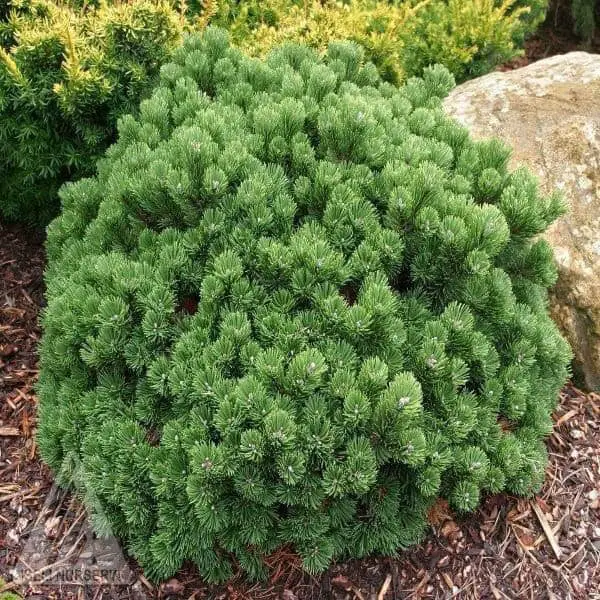
Dwarf Mugo Pine (Pinus mugo)
Its compact shape and evergreen needles complement the rounded form of Dwarf Balsam Fir. Choose a suitably small cultivar so both plants have enough space as they mature.
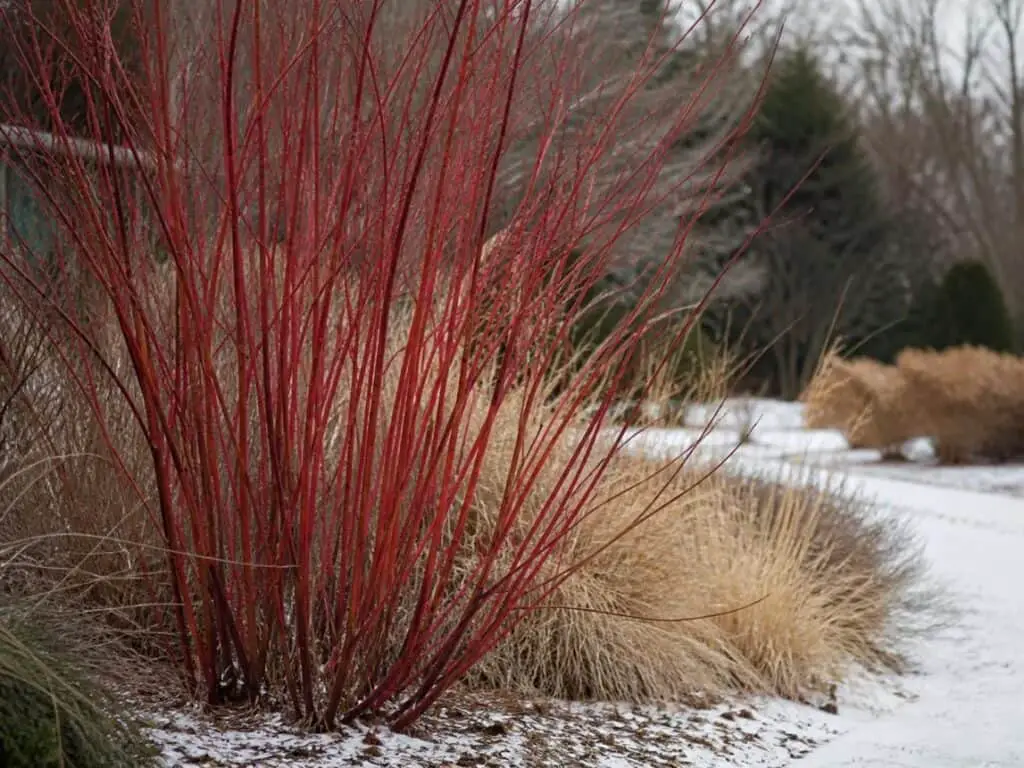
Dogwood (Cornus spp.)
Some dogwoods provide colorful stems or seasonal flowers, creating contrast against the fir’s dark green foliage. Choose a species suited to your climate and available space.
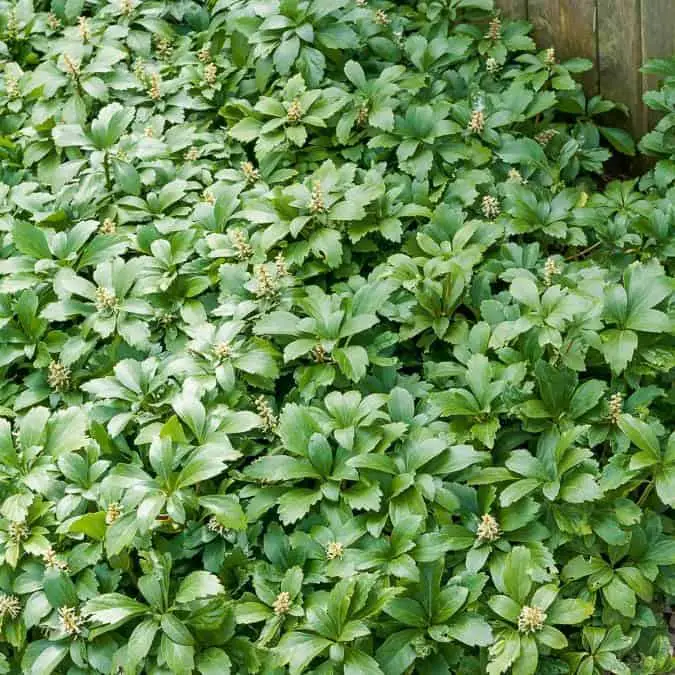
Low-growing woodland perennials
Suitable woodland plants can soften the ground around the fir and create a natural-looking planting. Select species that tolerate the same moisture levels and do not crowd the conifer’s root zone.
Before choosing companions, consider the mature size of every plant. A beautiful combination on planting day can become crowded a few years later if the shrubs need more space than expected.
Final Thoughts
Dwarf Balsam Fir is a lovely option for gardeners who want a compact evergreen with a naturally rounded shape and year-round foliage. Its slow growth and modest size make it particularly useful in rock gardens, borders, and small landscapes.
The secret to keeping it healthy is to work with its natural preferences: provide suitable light, moist but well-drained soil, and protection from prolonged heat. Water according to soil conditions rather than a fixed schedule, avoid unnecessary pruning, and give the plant enough room to mature.
Get those essentials right, and Dwarf Balsam Fir can become a long-lasting, dependable feature in a garden suited to its cool-climate needs.