Compact Tanyosho Japanese Red Pine Care Guide: The Small Evergreen That Quietly Steals the Show

Some plants stomp into the garden like rockstars demanding a spotlight. Others work quietly in the background, adding structure, texture, and year-round beauty without making a fuss.
The Compact Tanyosho Japanese Red Pine falls firmly into the second category — and honestly, that’s exactly why I love it.
The first time I saw one in a Japanese-inspired garden, it stopped me in my tracks. Not because it screamed for attention, but because it looked calm. Balanced. Like the plant equivalent of someone who always keeps their cool while the world catches fire around them.
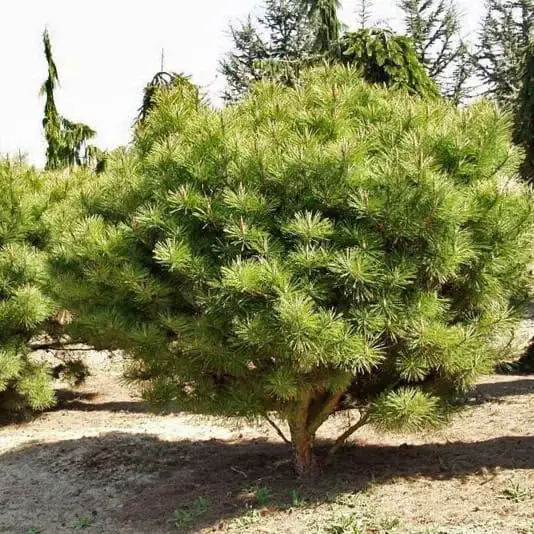
Its soft green needles formed a dense umbrella-like shape that looked sculpted by nature itself. Since then, this compact evergreen has become one of my favorite shrubs for creating peaceful corners in the garden.
If you’re searching for a low-maintenance evergreen with personality, elegance, and year-round appeal, the Compact Tanyosho Japanese Red Pine deserves a seat at the table.
Let’s dig into everything I’ve learned about growing and caring for this beautiful shrub.
Meet the Compact Tanyosho Japanese Red Pine
The botanical name for this evergreen beauty is Pinus densiflora ‘Umbraculifera Compacta’. Yes, it’s a mouthful. Most gardeners simply call it Compact Tanyosho Pine or Compact Japanese Red Pine.
This evergreen shrub belongs to the Pinaceae family and carries all the classic charm you’d expect from a pine:
- Dense needle foliage
- Graceful structure
- Strong cold tolerance
- Four-season interest
Unlike towering pine trees that eventually bully the entire yard, this compact variety stays manageable. It grows slowly and develops a naturally tidy form that feels almost architectural.
Honestly, it looks like nature hired a bonsai artist.
Why I Keep Recommending This Plant
I’ve grown enough high-maintenance plants to know when a shrub earns its keep.
Some plants act like needy celebrities. They demand endless pruning, constant watering, special fertilizers, and emotional support every time the weather changes.
Not this one.
The Compact Tanyosho Japanese Red Pine behaves more like a reliable old friend. Give it decent conditions, and it settles in without drama.
Here’s what makes it special:
| Feature | Why It Matters |
| Slow Growth | Less pruning and maintenance |
| Evergreen Foliage | Year-round color |
| Compact Shape | Perfect for small spaces |
| Deer Resistant | Less damage from wildlife |
| Drought Tolerance | More forgiving once established |
| Zen Garden Appeal | Elegant structure and texture |
For busy gardeners, this shrub feels like striking gold.
The Growth Habit: Small but Mighty
One thing surprised me when I planted my first Compact Tanyosho Pine — patience matters.
This shrub won’t shoot skyward overnight. Instead, it grows slowly and steadily, like a craftsman carefully building something beautiful one brick at a time.
And honestly? I appreciate that.
Fast-growing plants often turn into maintenance nightmares later. Slow growers age gracefully.
Mature Size
| Measurement | Average Size |
| Height | 5–6 feet |
| Width | 5–6 feet |
| Shape | Compact and upright |
That balanced shape makes it incredibly versatile.
I’ve seen gardeners use it:
- In rock gardens
- As a specimen shrub
- In large containers
- Near entryways
- In Japanese-style landscapes
- As part of minimalist modern gardens
Its rounded structure almost resembles a green cloud floating just above the soil.
Sunlight: Give It the Brightest Seat in the House
If this shrub had a dating profile, it would definitely say:
“Loves long walks in full sun.”
The Compact Tanyosho Japanese Red Pine thrives under bright, direct sunlight.
Ideal Light Conditions
- At least 6 hours of direct sunlight daily
- Open areas with good airflow
- Minimal shade from taller trees
I once planted one in partial shade thinking it would “probably adapt.”
It survived, sure — but thrive? Not even close.
The needles lost some vibrancy, and the growth became sparse. Once I moved it into full sun, the plant bounced back like it had finally received its morning coffee.
Sunlight fuels this evergreen’s dense growth and healthy color. Don’t shortchange it.
Watering Without Turning the Soil Into Soup
Watering this shrub isn’t rocket science, but there’s definitely a sweet spot.
Young plants appreciate consistent moisture while they establish roots. Mature plants become more drought tolerant, though they still perform best with regular watering.
My Watering Routine
| Season | Frequency |
| Spring | Once weekly |
| Summer | 1–2 times weekly during extreme heat |
| Fall | Once weekly |
| Winter | Minimal watering if soil stays moist |
The trick lies in balance.
Too little water stresses the plant. Too much water suffocates the roots. Pine roots hate sitting in soggy soil like cats hate bathtubs.
My Go-To Moisture Test
I still use the classic finger test:
- Stick your finger a couple inches into the soil.
- Check the moisture.
- Water only if the soil feels dry.
Simple. Reliable. No fancy moisture meters needed.

Soil: Drainage Is Everything
If there’s one hill I’ll die on with pine shrubs, it’s this:
Drainage matters more than almost anything else.
Compact Tanyosho Pines prefer soil that drains well while still holding a little moisture.
Best Soil Mix
I usually recommend a combination of:
- Sand
- Loam
- Organic matter
That mix creates a light, airy environment where roots can breathe.
Soil Preferences at a Glance
| Soil Trait | Preference |
| Drainage | Excellent |
| Texture | Sandy or loamy |
| Moisture | Moderately moist |
| pH | Acidic, neutral, or slightly alkaline |
One thing I love about this shrub is its flexibility. It doesn’t throw tantrums over tiny pH differences like some fussy ornamental plants do.
Evergreen Beauty Through Every Season
Some garden plants clock out after summer ends.
Not this one.
The Compact Tanyosho Japanese Red Pine keeps the garden alive throughout the year with rich green needles and sculptural form.
During winter, when flower beds look tired and bare, this shrub keeps standing tall like a lighthouse in a storm.
Foliage Details
- Needle-shaped leaves
- Soft green color
- Needles around 3–6 inches long
- Dense, layered texture
The foliage adds movement and softness without becoming messy or chaotic.
Does It Flower?
Technically, yes.
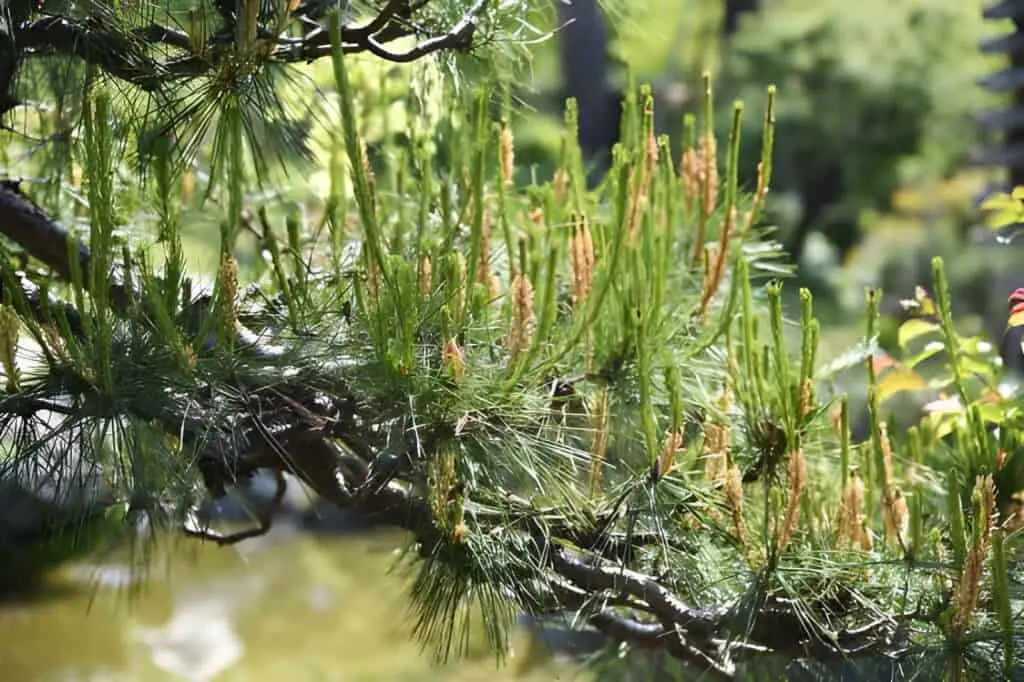
During spring, usually from April through June, the shrub produces subtle gold and green reproductive structures.
But let’s be real — nobody grows this plant for flashy flowers.
Its real charm comes from:
- Structure
- Texture
- Evergreen color
- Elegant form
This shrub whispers sophistication instead of shouting for applause.
Wildlife Resistance: A Huge Bonus
If deer and rabbits roam your neighborhood like unpaid landscapers, you’ll appreciate this part.
The Compact Tanyosho Japanese Red Pine resists browsing from:
- Deer
- Rabbits
That doesn’t mean wildlife completely ignores it, but compared to softer shrubs, it usually avoids becoming an all-you-can-eat buffet.
In my garden, that alone makes it worth its weight in gold.
Best Garden Styles for This Pine
This shrub slips into certain garden styles like it was born there.
My Favorite Placements
| Garden Style | Why It Works |
| Japanese Gardens | Sculptural and calming |
| Zen Landscapes | Clean, minimalist appearance |
| Rock Gardens | Compact structure |
| Coastal Gardens | Tough evergreen resilience |
| Urban Gardens | Fits small spaces beautifully |
Personally, I think this pine shines brightest when you give it breathing room.
Crowding it with oversized shrubs feels like stuffing a violin into a marching band. Let its shape stand out.
Companion Plants That Pair Beautifully
Good garden design works like a great dinner party. You want guests that complement one another instead of fighting for attention.
The Compact Tanyosho Pine pairs beautifully with softer textures and colorful foliage.
My Favorite Companion Plants
Japanese Maple (Acer)
The delicate leaves contrast beautifully against pine needles.
Rhododendron
Their bold blooms create a dramatic seasonal contrast.
Other great partners include:
- Ornamental grasses
- Dwarf spruce
- Heather
- Sedum
- Ferns
Mixing textures creates a layered landscape that feels alive and balanced.
Common Mistakes I See Gardeners Make
Even easygoing shrubs can struggle if planted incorrectly.
Here are the biggest mistakes people make with Compact Tanyosho Pines:
1. Planting in Heavy Wet Soil
Poor drainage invites root problems fast.
2. Overwatering
More water does not equal more love.
3. Planting in Too Much Shade
This shrub craves sunshine.
4. Overcrowding
Give it room to show off its shape.
5. Constant Pruning
Its natural form already looks fantastic. Don’t over-style it.
Sometimes gardeners treat every shrub like a hedge trimmer practice dummy. Resist the urge.
My Final Thoughts on the Compact Tanyosho Japanese Red Pine
The older I get as a gardener, the more I appreciate plants that bring calm energy into a landscape.
And this shrub does exactly that.
The Compact Tanyosho Japanese Red Pine won’t explode with tropical flowers or grow faster than weeds after rain. Instead, it offers something better: consistency, elegance, and quiet beauty that lasts all year long.
It’s the kind of plant that anchors a garden without stealing the whole show.
If you give it:
- Full sun
- Well-draining soil
- Moderate watering
…you’ll have a hardy evergreen companion for years to come.
And honestly, in a gardening world filled with prima donnas and drama queens, that kind of reliability feels refreshing.